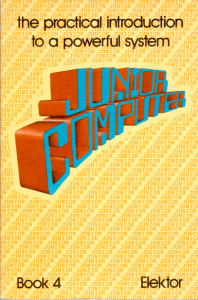
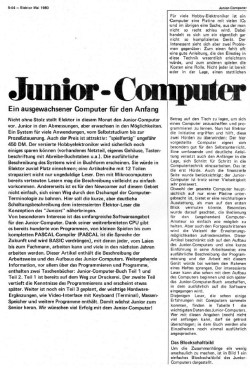
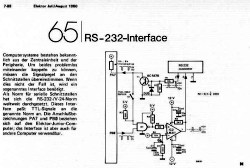
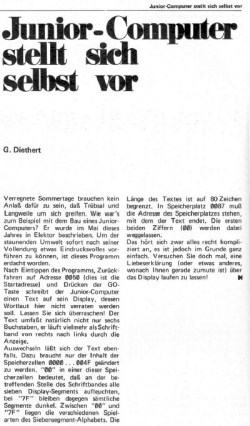
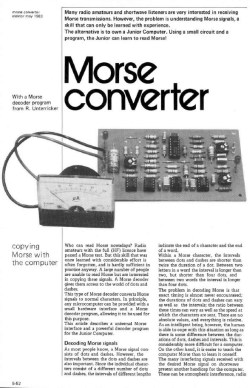
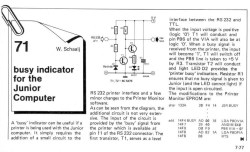
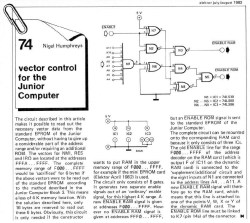
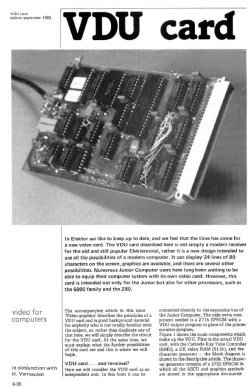
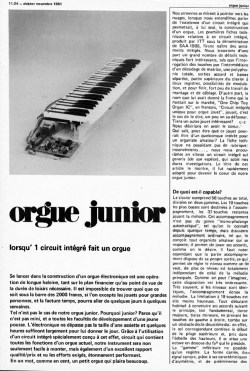
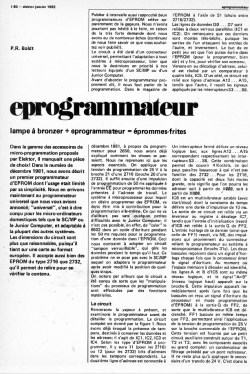
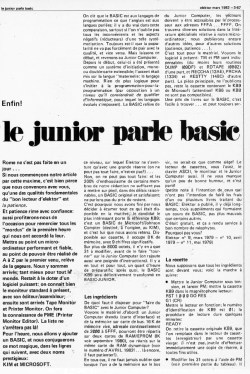
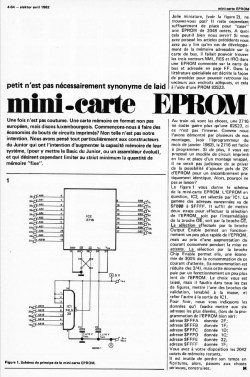
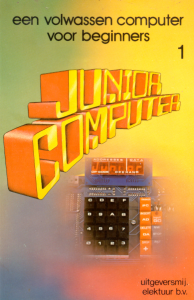
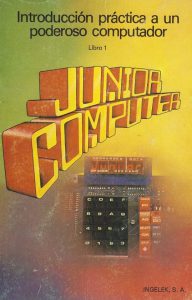
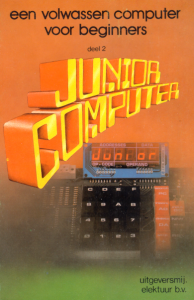
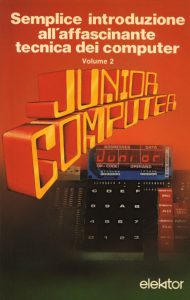
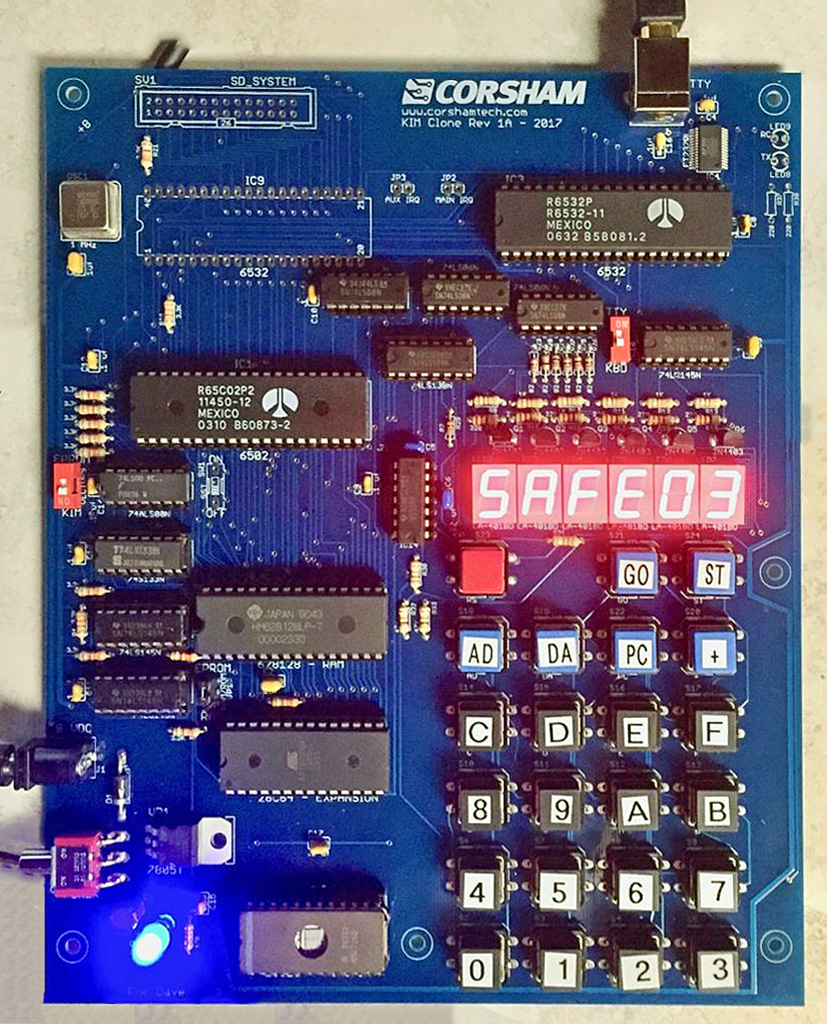
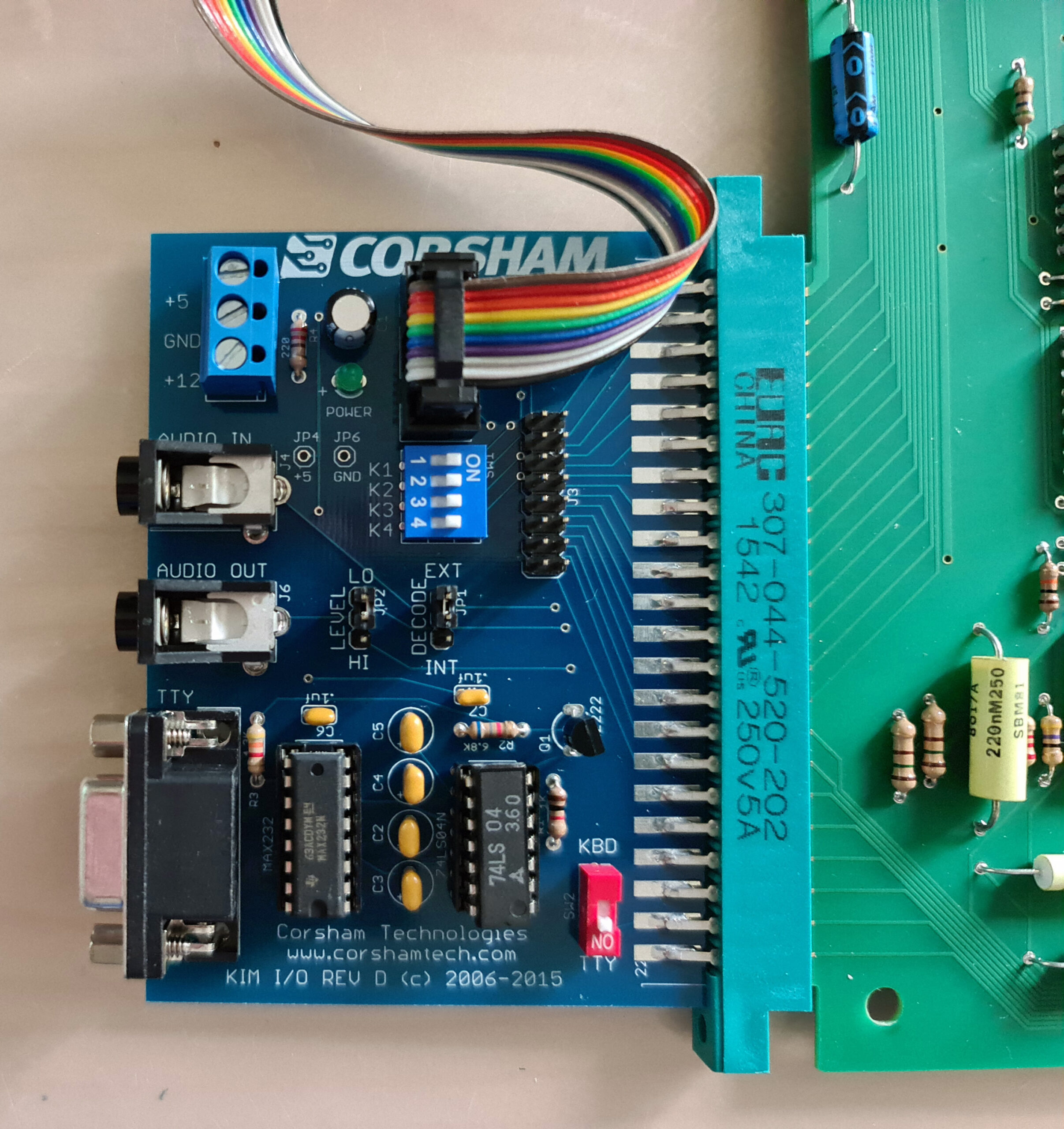
Software for the Elektor Junior, if adapted, runs on the PM version of the system software, using the bit banged serial TTY I/O on the Interface card.
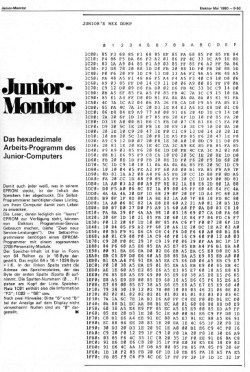
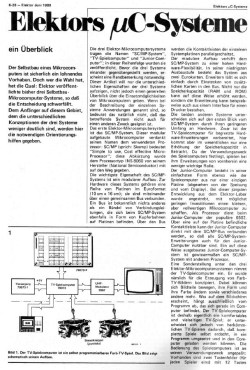
You find system software, such as ROM binaries, TM, PM etc with sources in the pages at Junior Elektor, from base to full system
On this page:
KB9 Basic
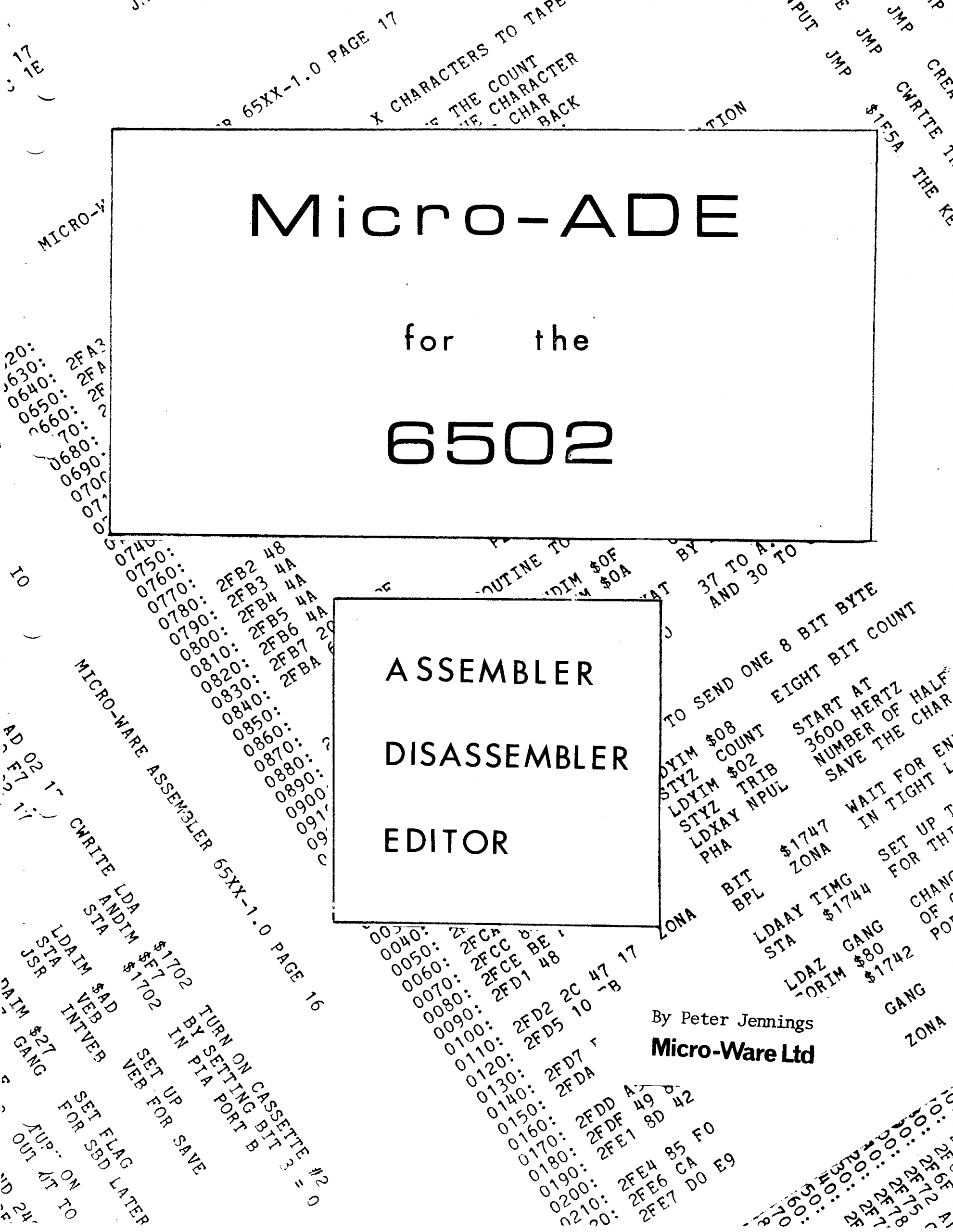
MICRO ADE
Tiny Basic
Comal
Microchess
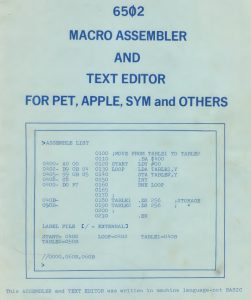
ASMM/TED by CW Moser
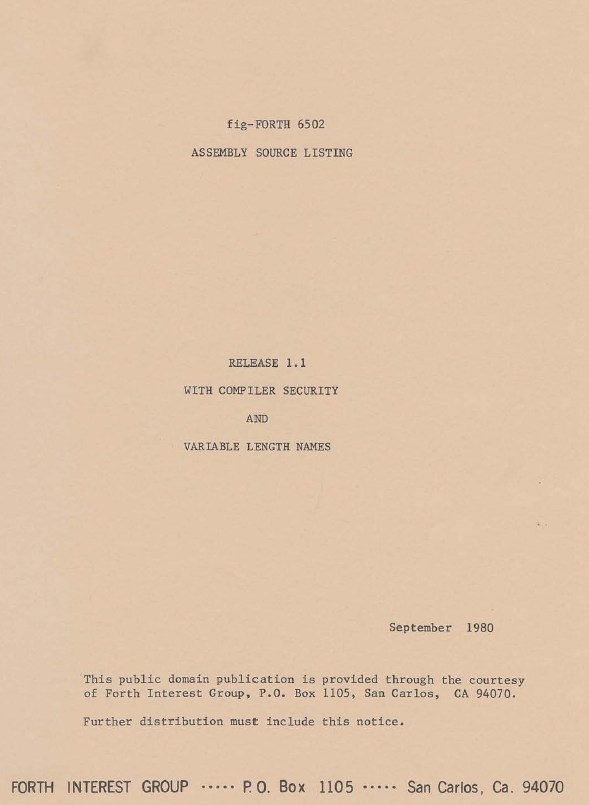
Forth-79
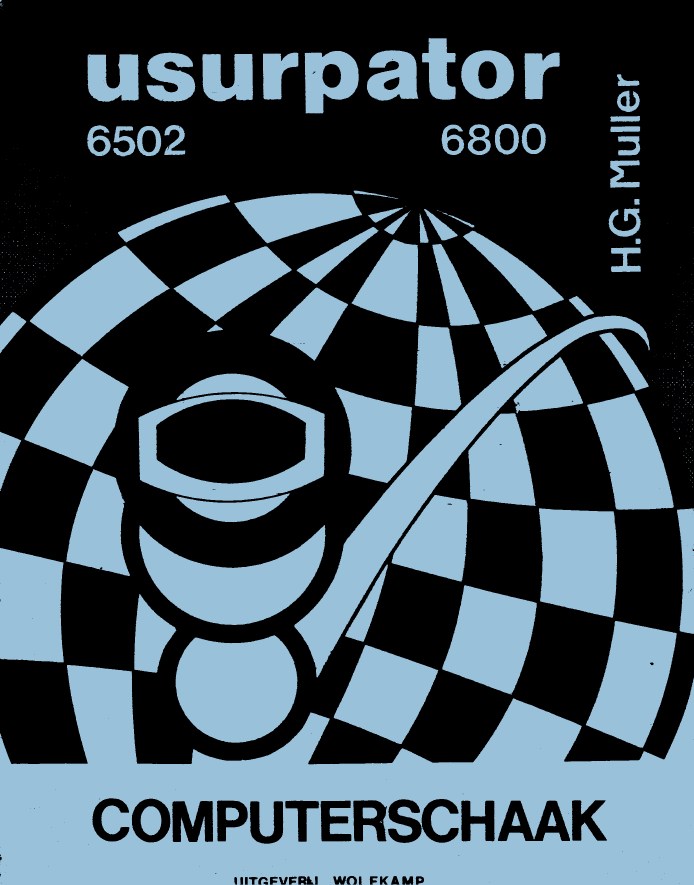
Usurpator Chess
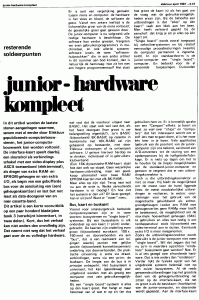
Various assembler sources as published in Elektor and the KIM Kenner
The Junior tapes
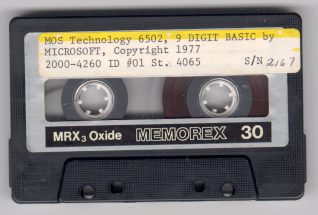
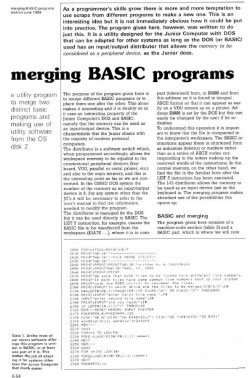
Microsoft KB-9 Basic V1.1
How to adapt KB-9 BASIC to the Junior
See the KIM-1 Software page for more information on KB-9 BASIC.
MICRO-ADE assembler/editor
Updated October 2022
 |
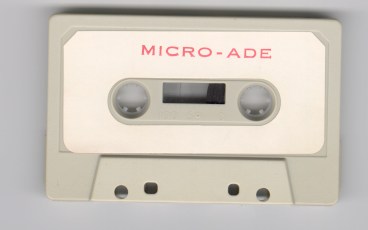
MICRO-ADE was the working horse for many KIM-1 users,
the small and powerful assembler/editor/disassembler written by Peter Jennings, Microware.
Manual and program are placed here with permission by Peter Jennings
to the KIM Club (thank you Peter for this and for a great program!) |
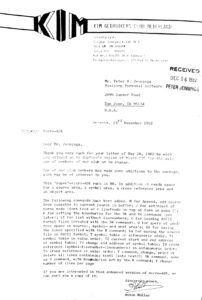 |
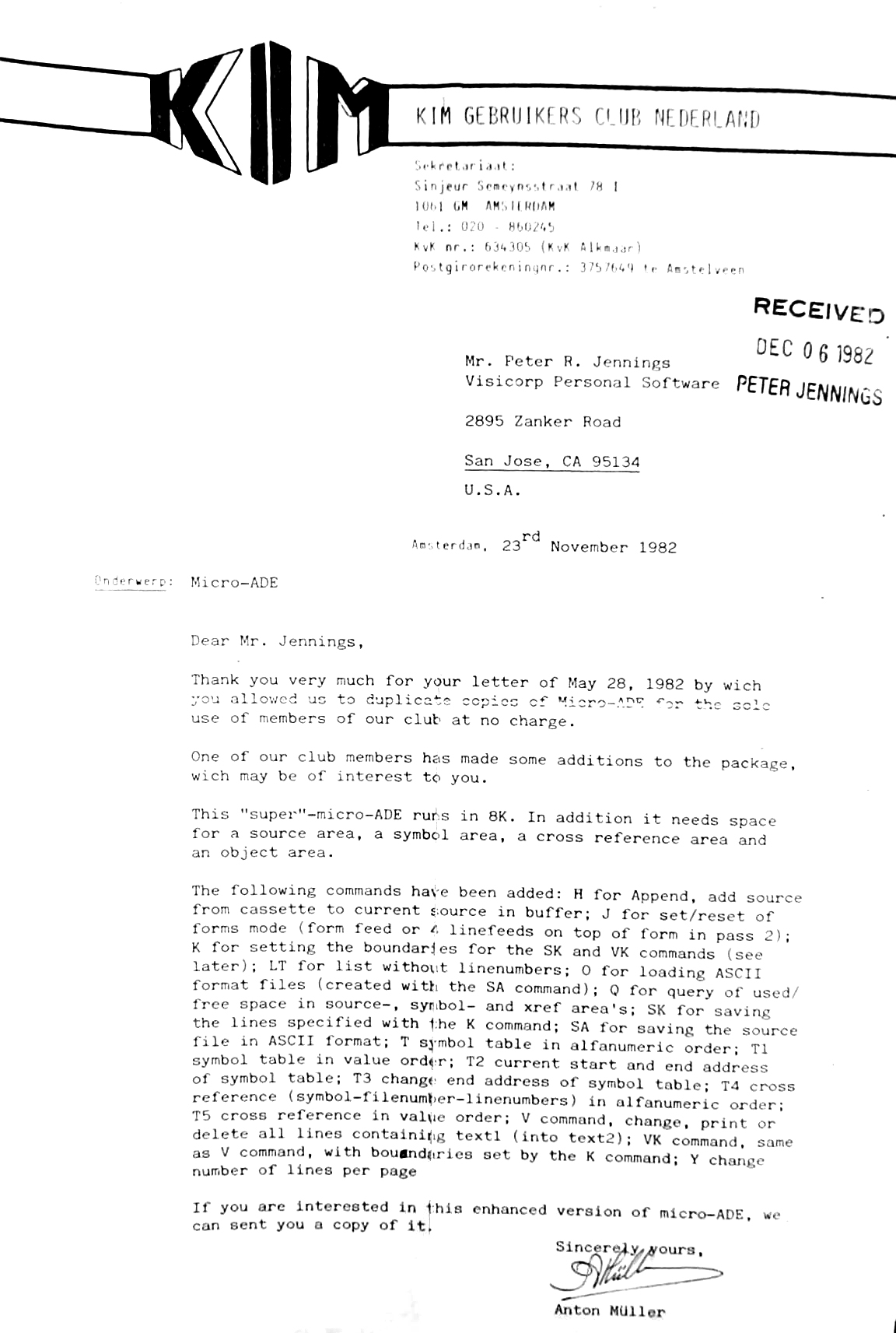
A letter sent by Anton Muller, KIM User Club the Netherlands,
to Peter Jennings, thanks Peter for the scan! |
In August 2021 I (Hans Otten) typed in the source of MICRO-Ade from the listing in the manual, the output is binary compatible with the binaries I saved from tape and are tested on the KIM-1.
The result is a source identical (in standard MOS Technology assembler format) to the listing and binary identical to the page image. I also made new high quality scan of the manual and the listing.
Micro Ade program source and binary
Scanned manual
Scanned listing
Read in the KIM KENNER archive the source of the enhancements (text by S.T. Woldringh o.a.)
The KIM club enhanced Micro Ade to version 8. Download here the binary with a 2 page command summary.
MICRO-ADE V8
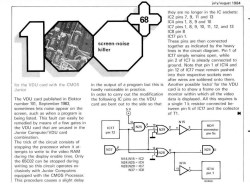
The Elektor Junior seems to be designed for MCIRO ADE: the Interface card has two relais to control the motor of an audio cassette recorder, just as MICRO ADE wants.
You see that the system software of the Junior (ESS503, the monitor, PM, TM, PME, PMV, Universal Terminal is written in the MICRO ADE dialect of assembler.
Tiny Basic
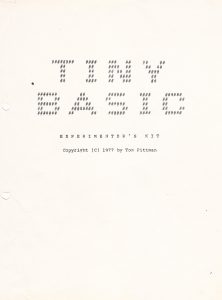 |
Tom Pitman’s Tiny basic.
Small enough to fit in the 1K KIM-1, yet a real Basic interpreter |
See the KIM-1 Tiny Basic page for more information on Tiny Basic, articles, binaries, sources, how to adapt to the Junior.
COMAL
COMAL is an interpreted structured language. I have only as original the KIM User Club Elektor Junior version, and as with most of the 6502 SBC programs, not that difficult to adapt to a KIM-1, as shown in the last pages of the manual (in/out/break character, load/save tape, memory layout).
KGN COMAL binary
Manual KGN COMAL (dutch)
Partial commented disassembly of Comal
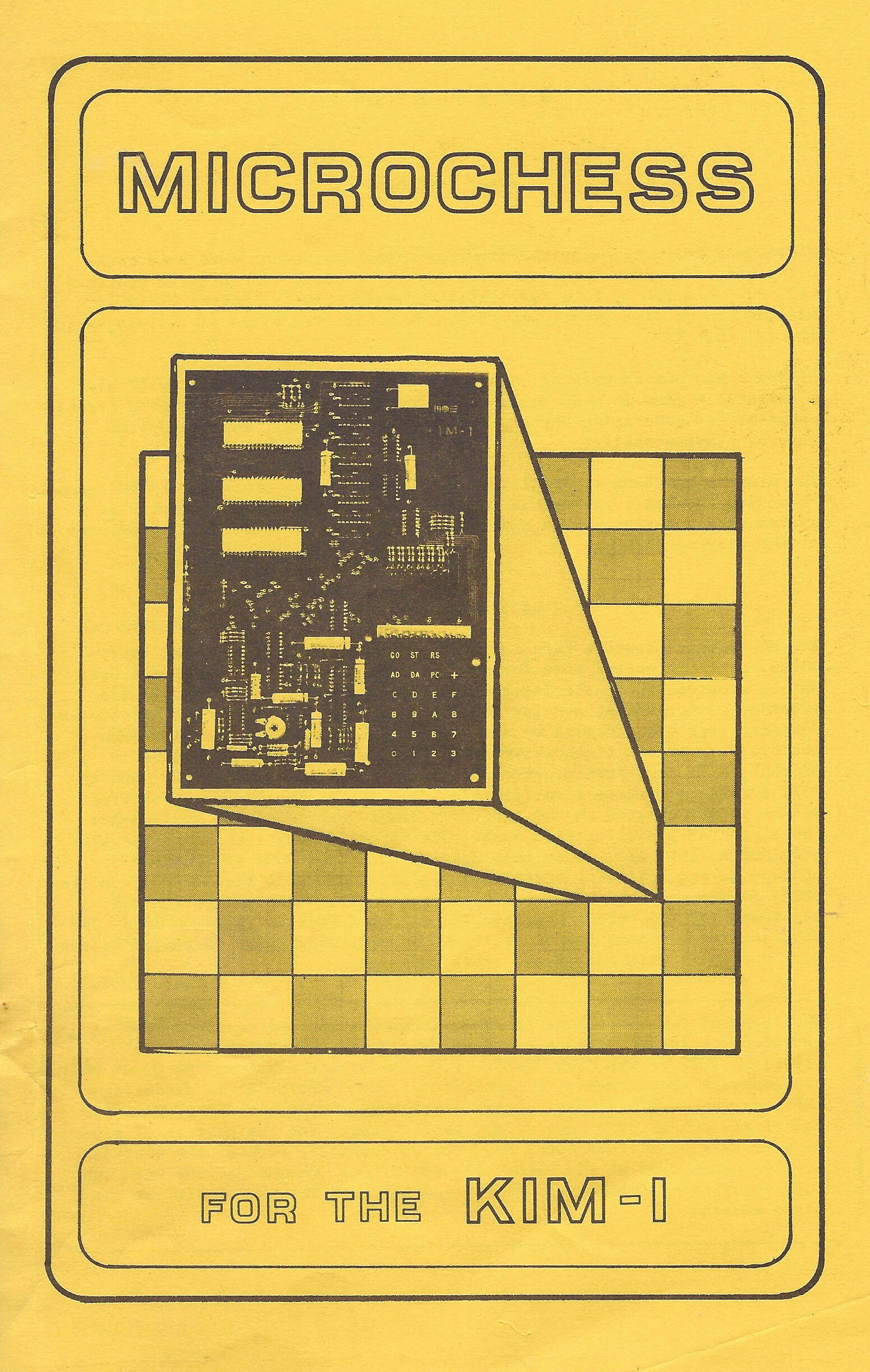
Microchess for the KIM-1
Updated October 2022
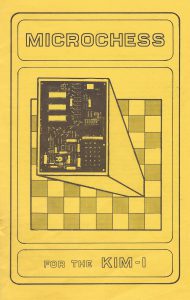 |
MICROCHESS for the KIM-1. Another Peter Jennings Microware product.
Runs on a standard KIM-1. Control via LED displays and hex keypad.
Quite a commercial success, many sold! |
Microchess has been adapted for the Elektor Junior by Sjaak de Wit, sjelabs.nl.
Description of the adaptation
Source and binary of Microchess for the Elektor Junior
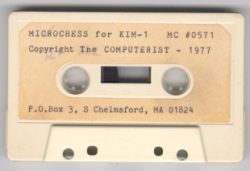
Wave files of tape and binaries, dump of my cassette files
Assembler source and binaries, typed in by me in 2021, binary identical to tape
Original manual (from the reseller The Computerist) scanned by me
Original manual by Peter Jennings
Manual in HTML format
Article on upgrading/extending Microchess, Compute II Issue 1, pdf format
Article on upgrading/extending MICROCHESS, Compute II Issue 1, html format
Upgraded/extending assembler source and binaries, typed in by me in 2021
More chess openings, Fer Weber 1978
6502 Macro Assembler and Text Editor CW Moser
Sources of CW Moser for 65C02 and Junior binaries
Color version of later manual
Dissecting C. W. Moser’s ASSM_TED, Compute! Issue 11
Commodore PET version of the manual
Graphics Drawing Compiler for PET and SYM manual
Fast cassette interface for ASSM/TED by CW Moser
Universal 6502 Memory Test PET, Apple, Sym and Others, Compute! Issue 1
Usurpator Chess for the 6502
Various sources in assembler
MICRO ADE, ASSM/TED format as found in the Junior tapes.
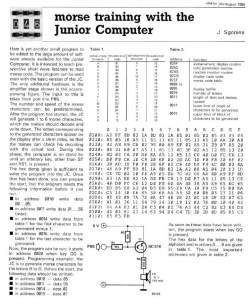
All sources from the Junior tapes: Elektor programs, sources of MICRO ADE, ASSM/TED, Fort, Universal terminal, Elektor clock 222, Basicode for KB9 and more.
Junior tapes
With a Junior I bought second hand came a little booklet and a floppy. The previous owner must have been a active programmer, and he had saved his tapes on disk, the audio files were converted to binary files. The dump program is included!
I copied the floppy over to my computer, and hand typed in the description form the booklet.
If the file was a program, the binary was just a representation of it.
Text files were not that easy. A hex dump showd it were text files with some editor related extra’s, e.g. line numbers.
The files were the tape dumps of the editors used on the Junior: MICOR ADE and CW Moser.
After studying the dumps I wrote a program to recreate the text in normal DOS format. A GUI version first, later a CLI to easily convert the text filen and give it the name of the file instead of the numbering scheme.
The archive is a treasure, with Comal, MICOR ADE, CW Moser ASSM/TED, Forth binaries and sources for Junior and KIM-1. Some ROM dumps were present. And many assembler sources in MICEO ADE and CW Moser format. Here I present you the original archive, and the name/text converted one.
Junior tapes
The Junior tape archive
The Junior tape archive, text files decoded, files with correct names
The KIM-1 tape to text program
(Command line and GUI, Freepascal source included to decode text files from the Junior.
Forth
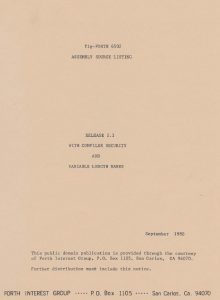 |
The FORTH language 6502 FIG-FORTH |
Binary Forth original, start at 2000
FORTH assembler sources, 6502, 65C02
FORTH assembler sources, 6502, 65C02 in ASSM/TED format, Elektor Junior binaries
Fig-FORTH 6502 manual
Fig-FORTH Manuals May 1979