
By Bob Applegate
Adding I/O devices that don’t need much address space. On the KIM-1, the space from 1400-17FF is grouped into the K0 block but only 17xx are used, leaving 1400-16FF open for use. To decode that range into four blocks of 256 bytes is easy using a single chip and a few signals from the KIM Clone expansion bus:
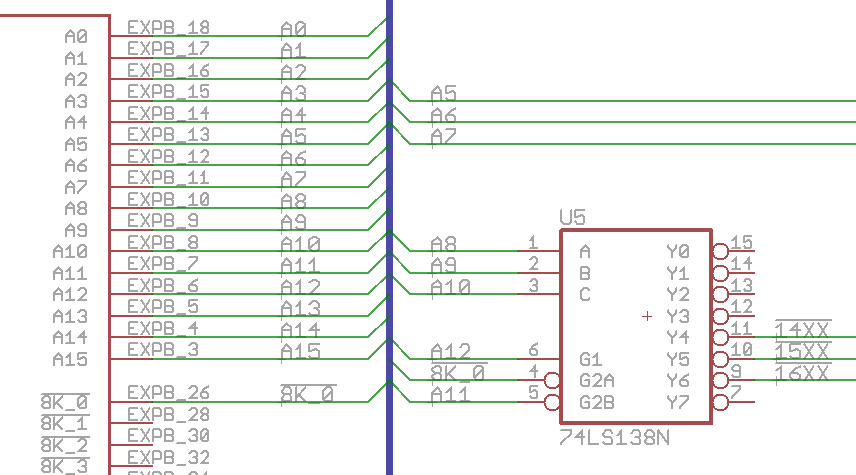
Everyone has a 74LS138 in their parts collection, so just connect a few signals from the expansion bus and use one of the three signals from the 138 to decode which block you want to use. Use the A0-A7 address lines to decode into smaller pieces.
See also:
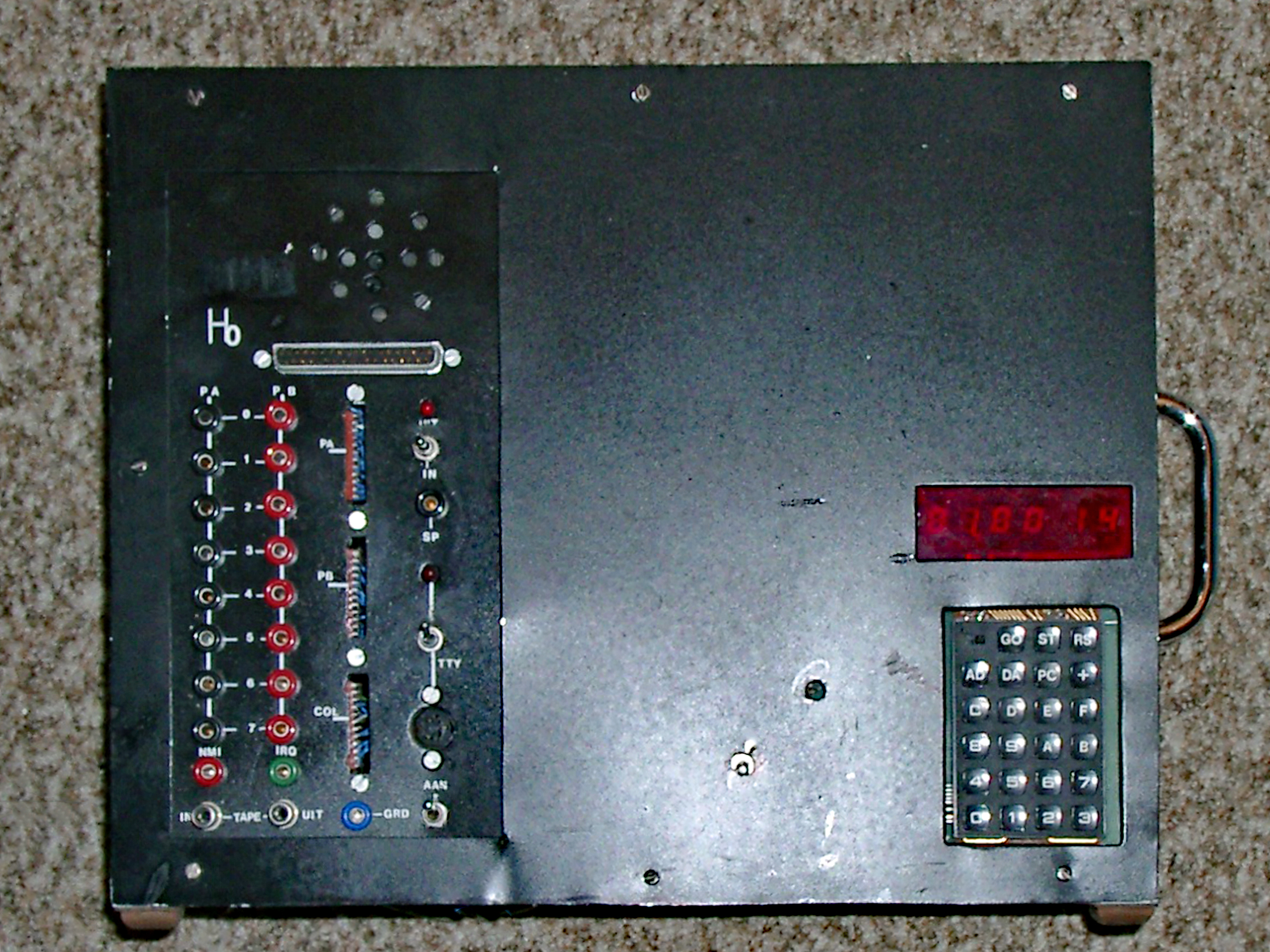
My KIM-1 expansions in Radio Bulletin
KIM-1 expansions in Radio Bulletin"
My KIM-1 system was based upon what we had published in Radio Bulletin. These artic...
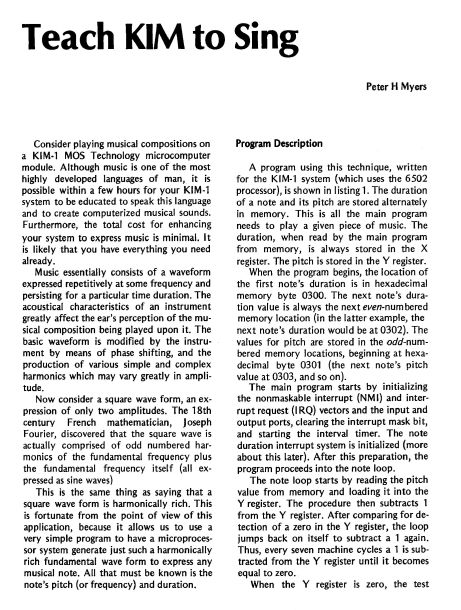
Teach KIM to Sing
A program to let the KIM-1 play music. Store notes and its pitch in memory and listen to it.
Published in the Byte Bo...
Radio Bulletin articles in English
A collection of articles about the KIM-1, original in Dutch, here translated to English and with source and binary of th...
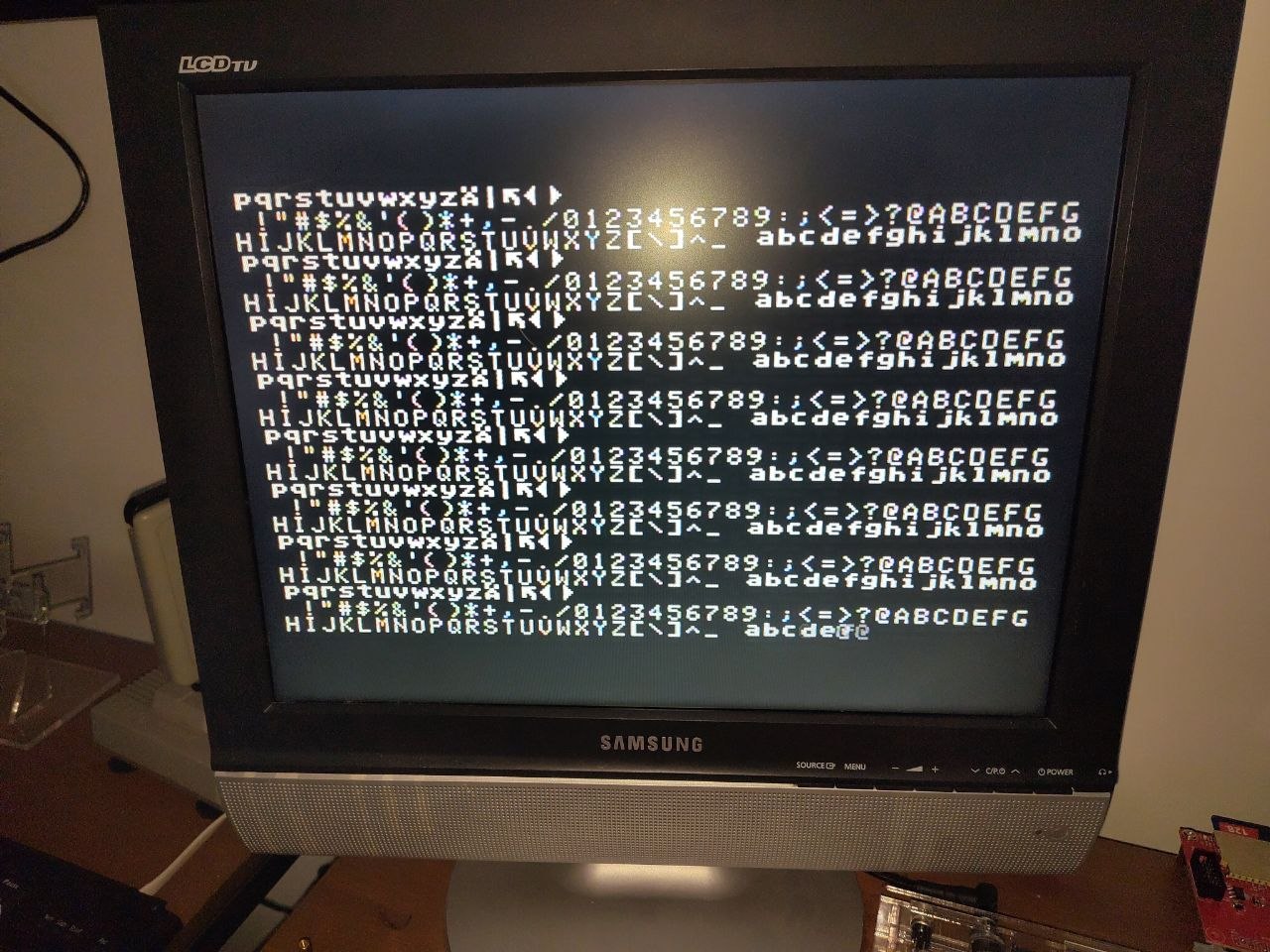
Replica 1 TE PAL version
User ExPLIT on the German forum Verein zum Erhalt klassischer Computer e.V.
has build an Apple 1 Replica 1 TE from th...