By working on Focal I did add comments to the disassembly of what I found. You will find the original by Paul R. Santa-Marie and my partly commented version in the archive.
Nils a.k.a. netzherpes typed in a number of KIM-1 programs to run on his PAL-1, the KIM-1 compatible clone.
Not only does he types them in in assembler, some even by contacting the original author!, tests the programs and also provides source and ready to run binaries or papertapes.
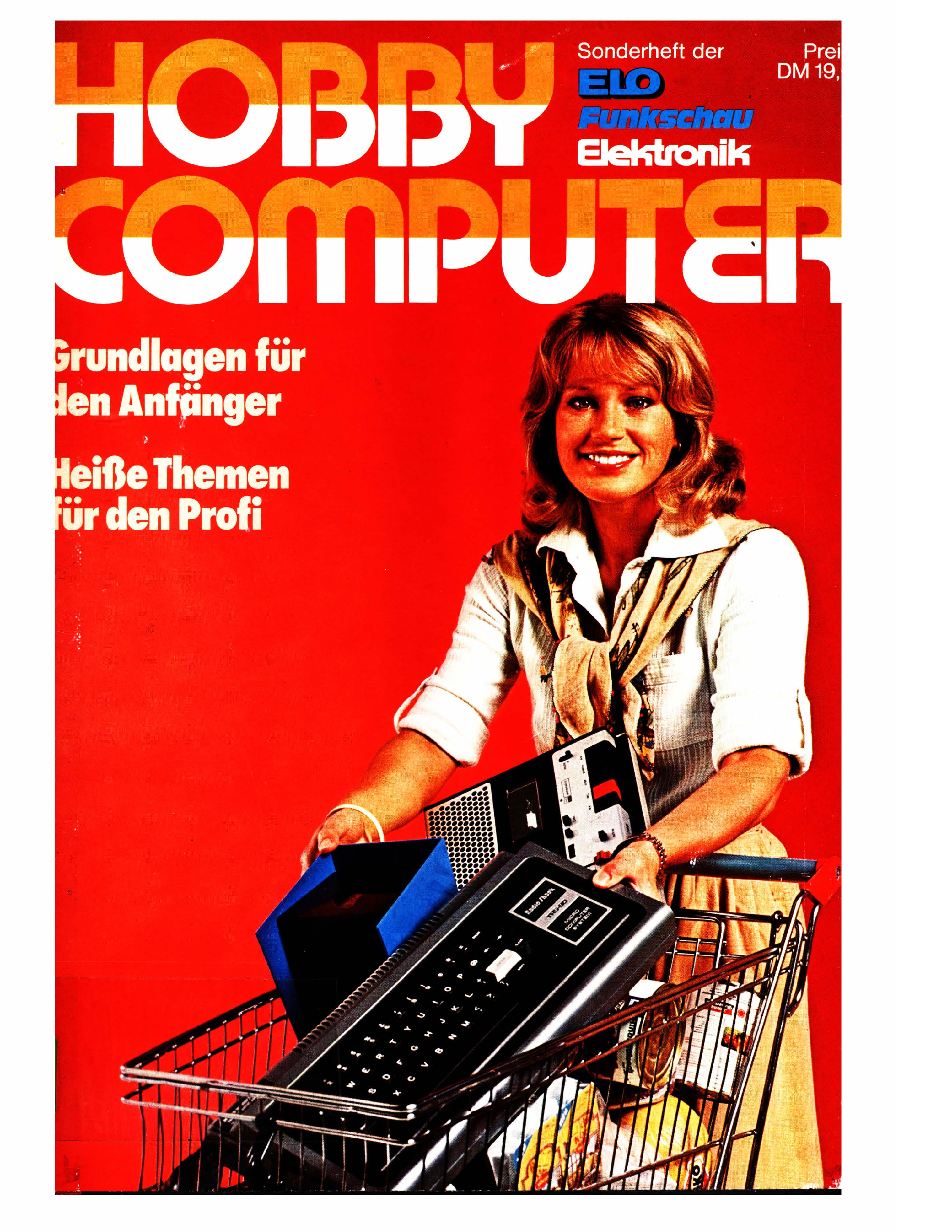
And he draws nice looking cover images!
KIM-1 Banner
by Jim Zuber
from KIM USER NOTES #18 Download here!
Battleship
You have 20 shots to detect a 3×1 ship on a 8×8 grid. The ship can be aligned horizontal, vertical or diagonal.
How to play: Enter the coordinated and fire (Button F). If you hit the ship, the mostright counter will jump to 01.
If you hit all 3 coordinates of the ship, you won, the display will show “dEAd” and the number of shots used.
(c) 1978 Roland Kushnier (orig)
(c) 1979 Jody Nelis (bugfix) Download here!
Target 1 for KIM-1
Little shooting game for the KIM-1
June 18th, 1979
(C) Fer Weber Download here!
Target 6 for KIM-1
The 6 column Version of Fer Webers Target1 Shooter Game (https://github.com/netzherpes/Target1-for-KIM-1)
Author Fer Weber
published in KIM Kenner 8 on 18.06.1979 Download here!
Telefonbuch for KIM-1
original title: “Datensuche”
by Herwig Feichtinger
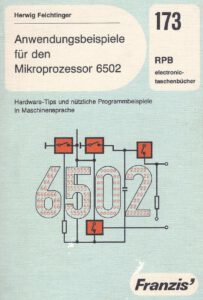
(c) 1981 in Anwendungsbeispiele für den Mikroprozessor 6502 Download here!
Phonebook 2.0 for KIM-1
original title: “Datensuche”
by Herwig Feichtinger
(c) 1981 in Anwendungsbeispiele
für den Mikroprozessor 6502 Download here!
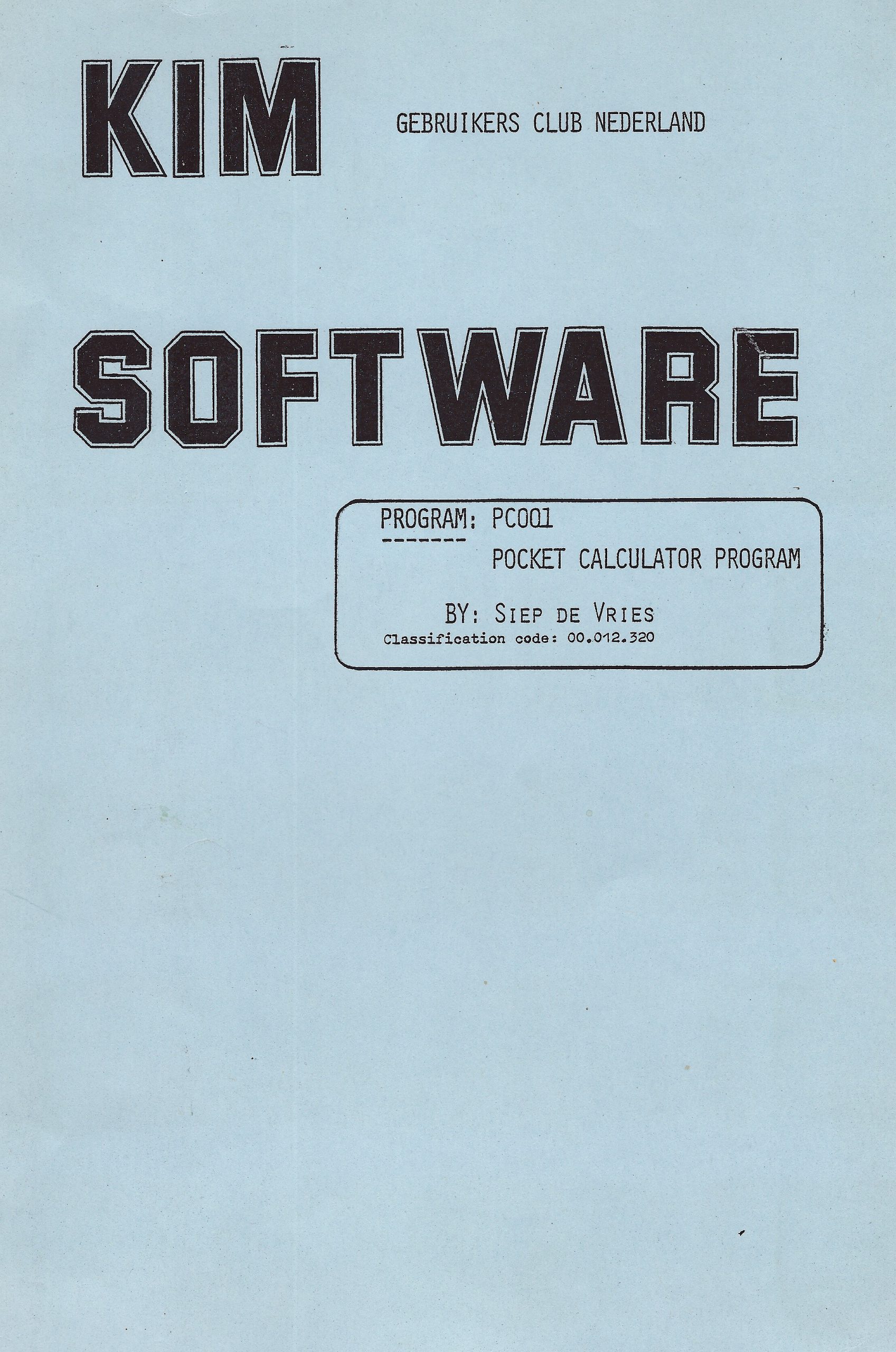
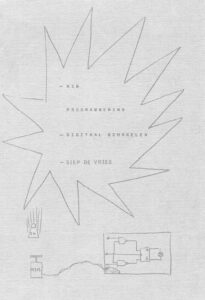
Pocket Calculator for KIM-1
by Siep de Vries, KIM Club The Netherlands
INPUT/OUTPUT IS EITHER TELETYPE
OR KIM KEYBOARD AND DISPLAY Download here!
Tunesmith for the KIM-1
(c) 1979 Anthony T. Scarpelli
found in micro 6/79 Download here!
KIM-Piano
a silly small Piano for your KIM-1
KIM Piano
(c) by Peter Engels 1979 *
plays whole notes from C to D
by pressing the buttons 0-F. Download here!
LEDIP a text editor for the KIM-1
The author of the program, Kiumi Akingbehin, Professor at the Michigan University Download here!
KIM-1 Dungeons and Dragons Dice Simulator
(c) 29.7.80 Myron A. Calhoun
Manhattan, KS Download here!
TTY rapid Dump/Load
an extension to M.Gönners hex Loader by Bruce Nazarian
‘Bob’ Leedom published another game called Baseball in the KIM user notes issue 16 Download here!
MatchThis-for-KIM-1
by Gino F. Silvestri
A Simon says game for the KIM-1 Download here!
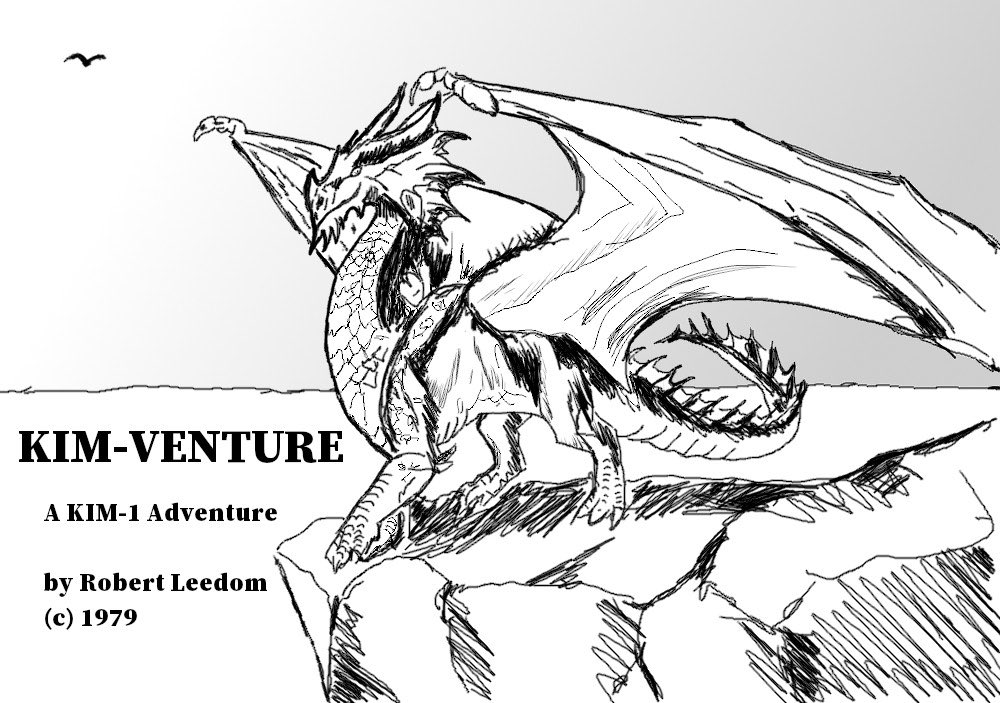
KIM Venture walktrough
This is a walkthrough of one of the most amazing computer games in history.
KIMventure is a (colossal cave like) adventure game for the KIM-1 that fits in only 1 (ONE) KB of RAM. It offers 24 room to explore with a lot of traps and riddles to solve. It was programmed in 1979 by Robert Leedom with pen and paper (no assembler etc.) Download here!
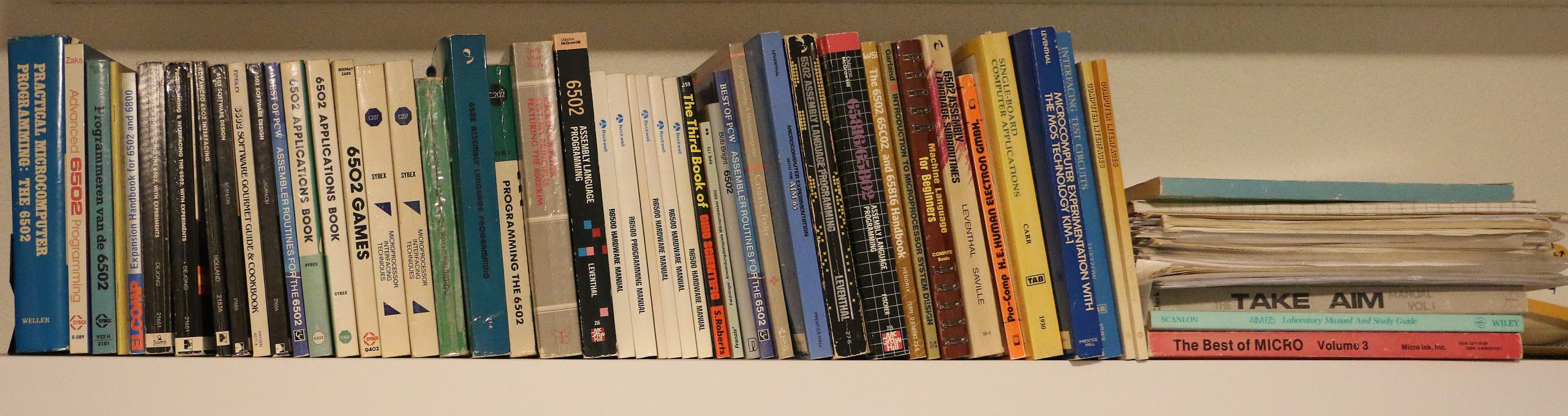
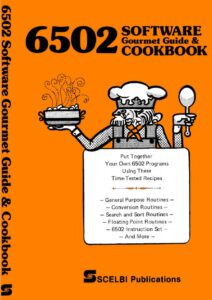
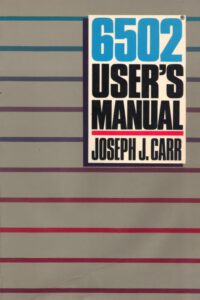
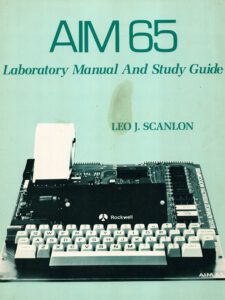
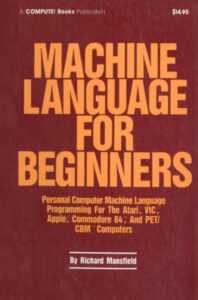
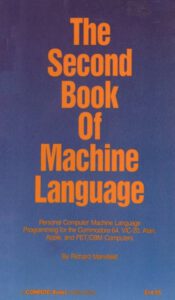
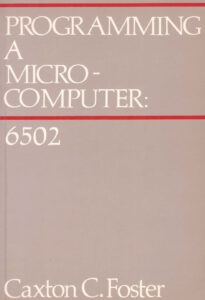
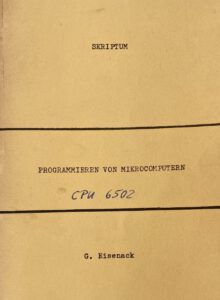
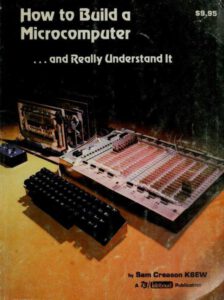
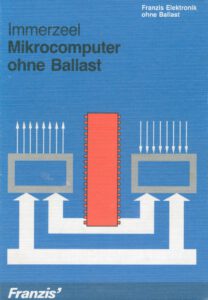
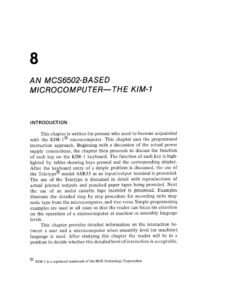
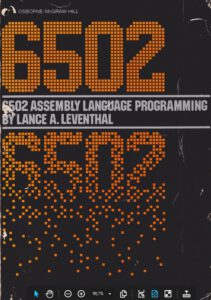
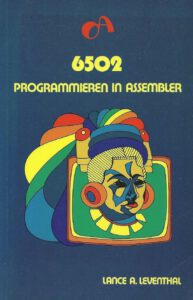
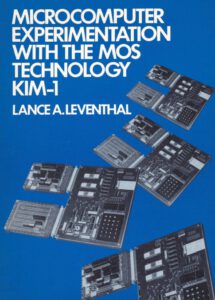
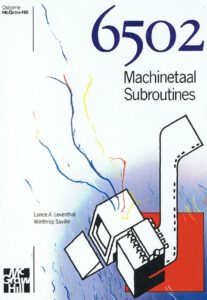
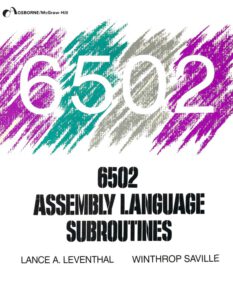
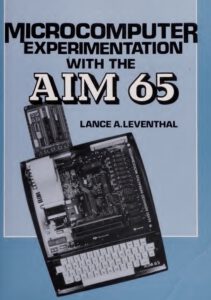
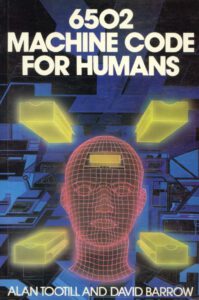
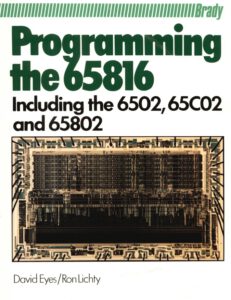
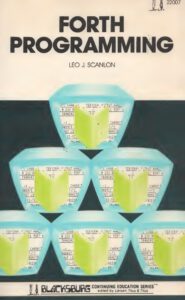
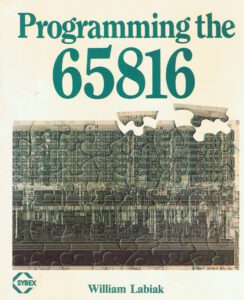
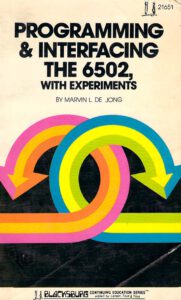
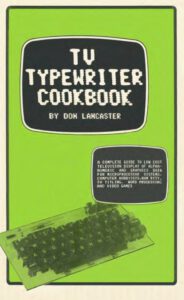
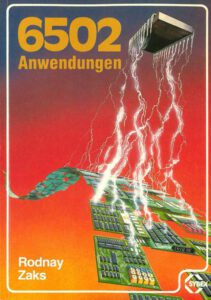
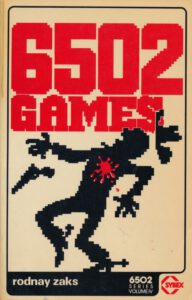
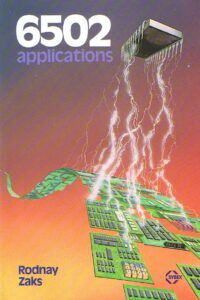
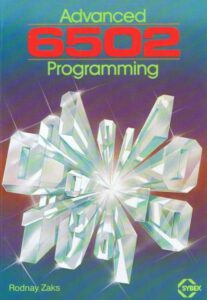
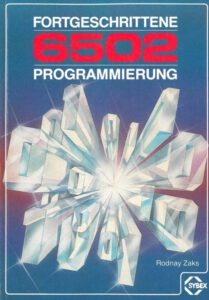
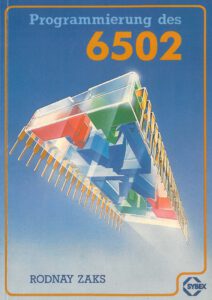
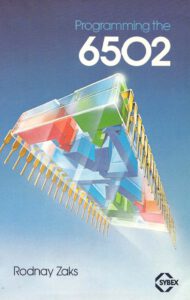
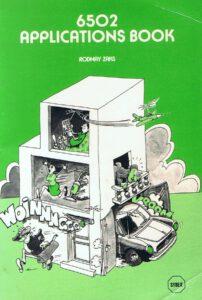
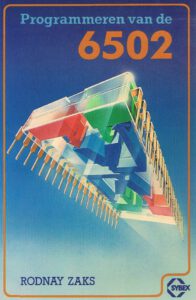
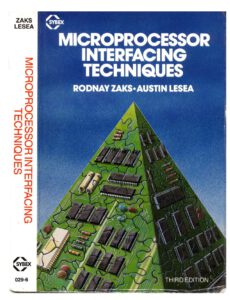
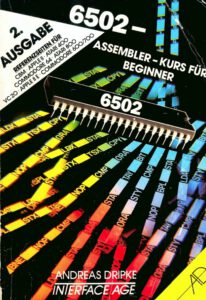
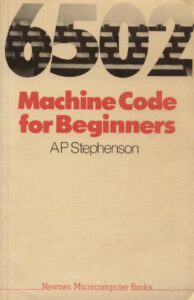
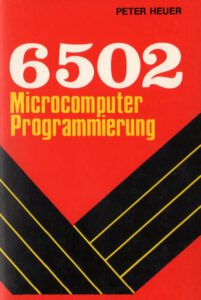
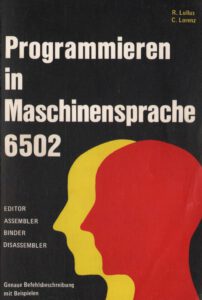
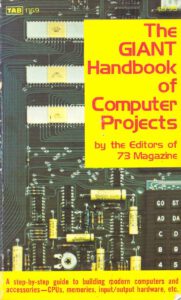
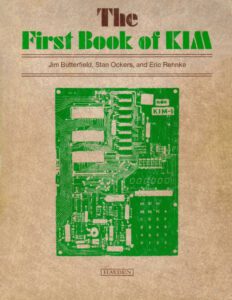
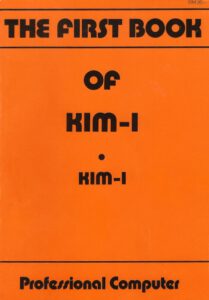
KIM-1, AIM-65, SYM-1 and other 6502/65C02/65C816 related books.
A mix of English, German and Dutch books.
On my bookshelf I have quite a collection of books on the 6502 family.
Note that manuals and books that come with systems are shown on the pages of the corresponding system!
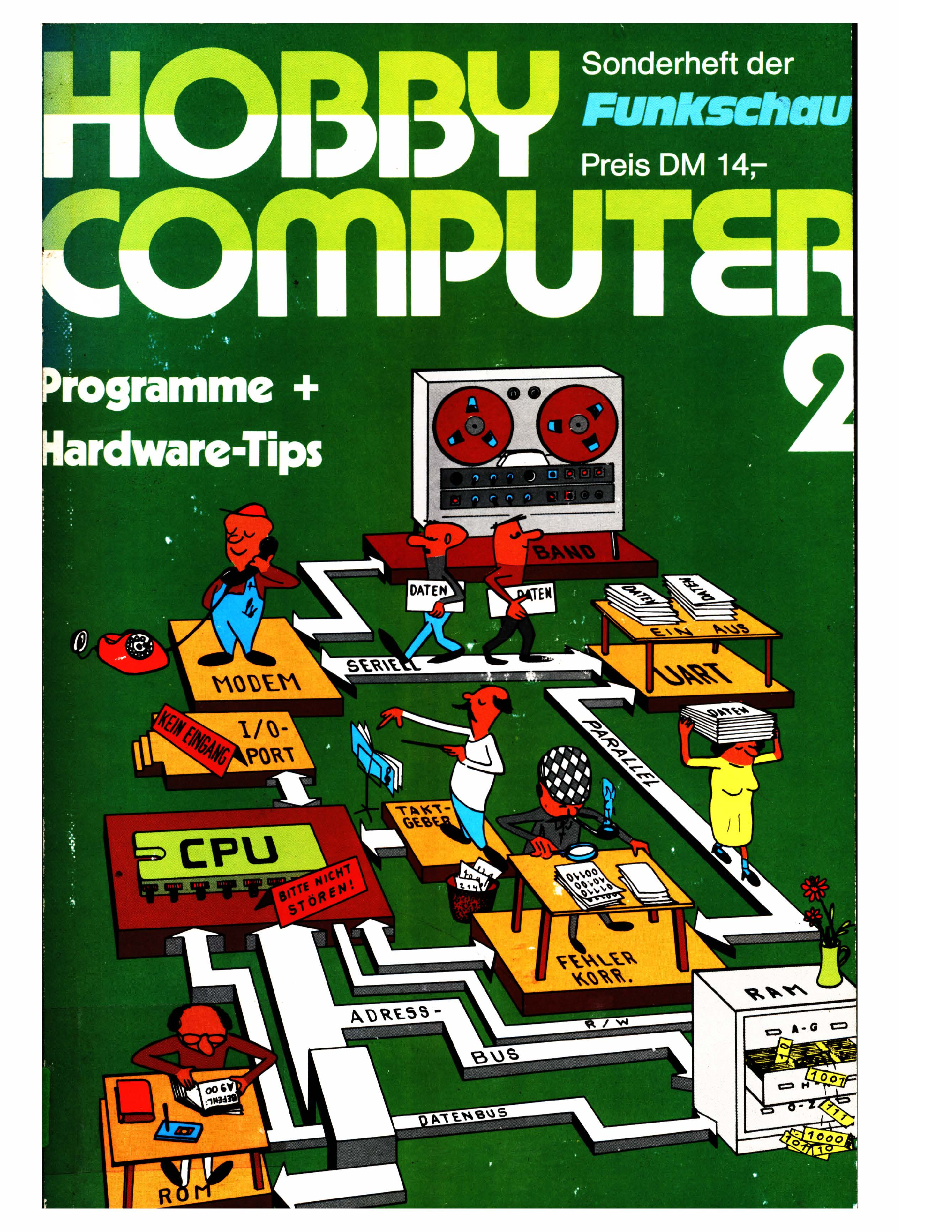
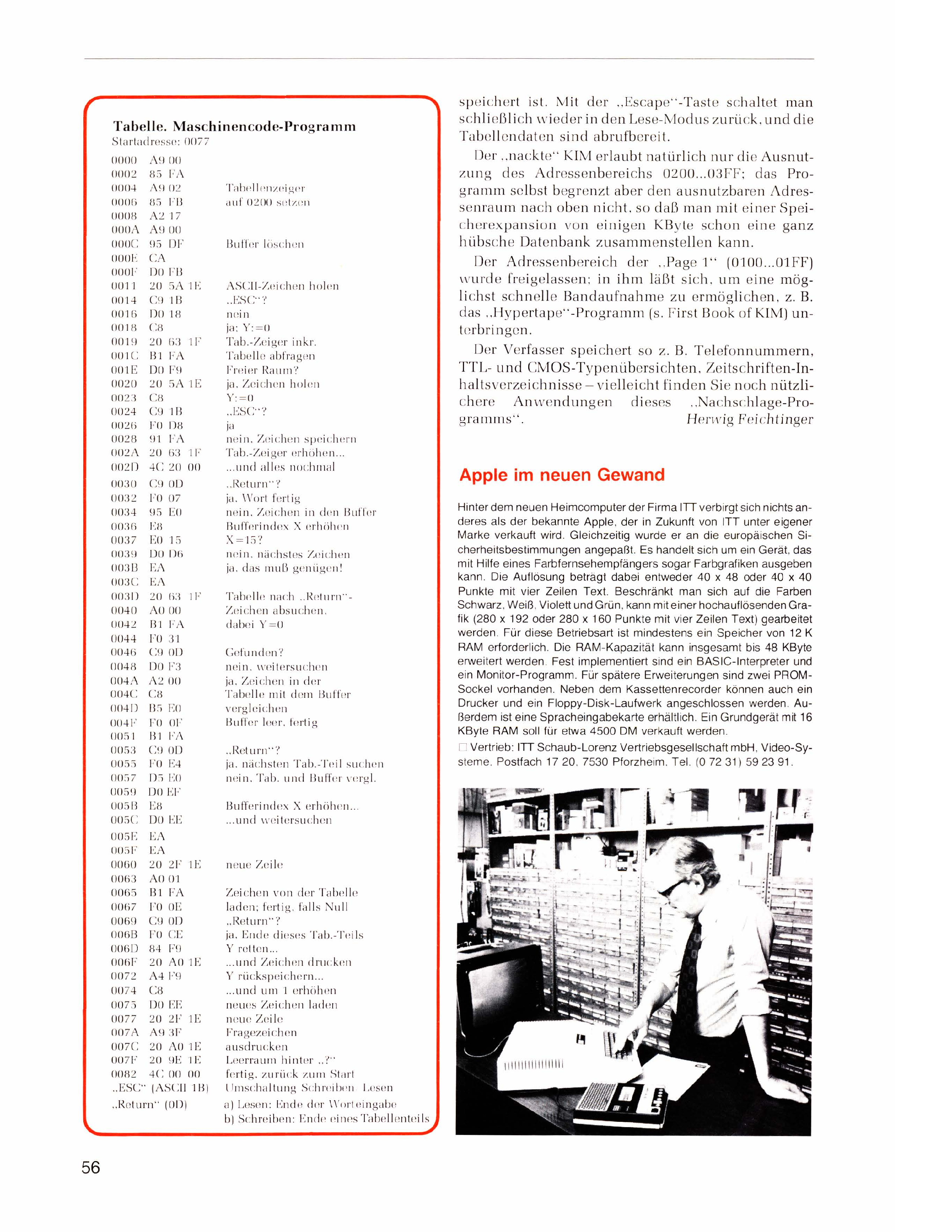
The program is written, probably by hand, Herwig Feichtinger in the German magazine Hobbycomputer, Issue 1. Available on archive.org.
I took the source as typed in by Nils, added the comments from the (see below) listing in the article and made sure it was binary compatible with the listing. There are some problems with the first entry in the database.
; Target assembler: TASM
;*****************************
;* Telefonbuch               *
;* (c) 1979                  *
;* Herwig Feichtinger        *
;*****************************
; typed in and checked by Nils Andreas
; comments entered from German listing into source
; checked for being binary compatible with original listing in HobbyComputer 1 1979
;
; Note that getch in KIM-1 returns with Y = $FF, used in this program to save two bytes?
; Testcase for the KIM-1 Simulator, which now emulates this getch behaviour
;
; Hans Otten, 15 december 2021
;
CR     =       $0d             ; carriage return
esc     =       $1b             ; escape

crlf    =       $1e2f           ; KIM-1 print cr
getch   =       $1e5a           ; KIM-1 read char for tty
space   =       $1e9e           ; KIM-1 print space tty
outch   =       $1ea0           ; KIM-1 print car on tty
incpt   =       $1f63           ; increment pointer
;
; zeropage
;
savy    = $f9
tablep  = $fa                   ; pointer into table
bufferp = $df                   ; buffer
table   = $0200                 ; table starts here
;
         .org    $0000
;
start:   lda     #(table & $ff) ; low byte table address
         sta     tablep
         lda     #(table >> 8)  ; high byte table address
         sta     tablep + 1     ;
         ldx     #$17           ; 17 bytes clear
         lda     #$00
buffer:  sta     bufferp,x      ; clear buffer
         dex
         bne     buffer
;
read:    jsr     getch          ; get ascii character
         cmp     #esc           ; escape?
         bne     chkend         ; no
         iny                    ; yes, y = 0
chkfre:  jsr     incpt          ; increment table pointer
         lda     (tablep),y     ; query buffer
         bne     chkfre         ; free space in buffer?
input:   jsr     getch          ; get ascii character
         iny                    ; y=0
         cmp     #esc           ; escape?
         beq     start          ; yes, back to begin
         sta     (tablep),y     ; no, store in table
         jsr     incpt          ; increment table pointer
         jmp     input          ; and again

chkend:  cmp     #CR            ; return?
         beq     zzz            ; yes, line ready
         sta     bufferp +1,x   ; no, store char in buffer
         inx                    ; increment buffer index
         cpx     #$15           ; is $15?
         bne     read           ; next character
;
zzz:     nop
         nop
;
newline: jsr     incpt          ; table after return
         ldy     #$00           ; search for character
         lda     (tablep),y     ; in table
         beq     printquest     ;
         cmp     #CR            ; found?
         bne     newline        ; no, search again
found:   ldx     #$00           ; yes, compare character in table
compbuf: iny                    ; with character in buffer
         lda     bufferp +1,x   ; no, compare table and buffer
         beq     printline      ; show it
         lda     (tablep),y
         cmp     #CR            ; return?
         beq     zzz
         cmp     bufferp +1,x   ; next character
         bne     found
         inx
         bne     compbuf
;
         nop
         nop
;
printline:
         jsr     crlf           ; new line
         ldy     #$01
loadchar:
         lda     (tablep),y     ; load character from table
         beq     printquest     ; zero is ready
         cmp     #CR            ; return?
         beq     zzz            ; end of table entry
         sty     savy           ; save Y
         jsr     outch          ; and print character
         ldy     savy
         iny                    ; increment Y, next
         bne     loadchar       ; load new character
printquest:
         jsr     crlf           ; print return
         lda     #'?'           ; print ?
         jsr     outch          ;
         jsr     space          ; print space
         jmp     start          ; return
;
        .end
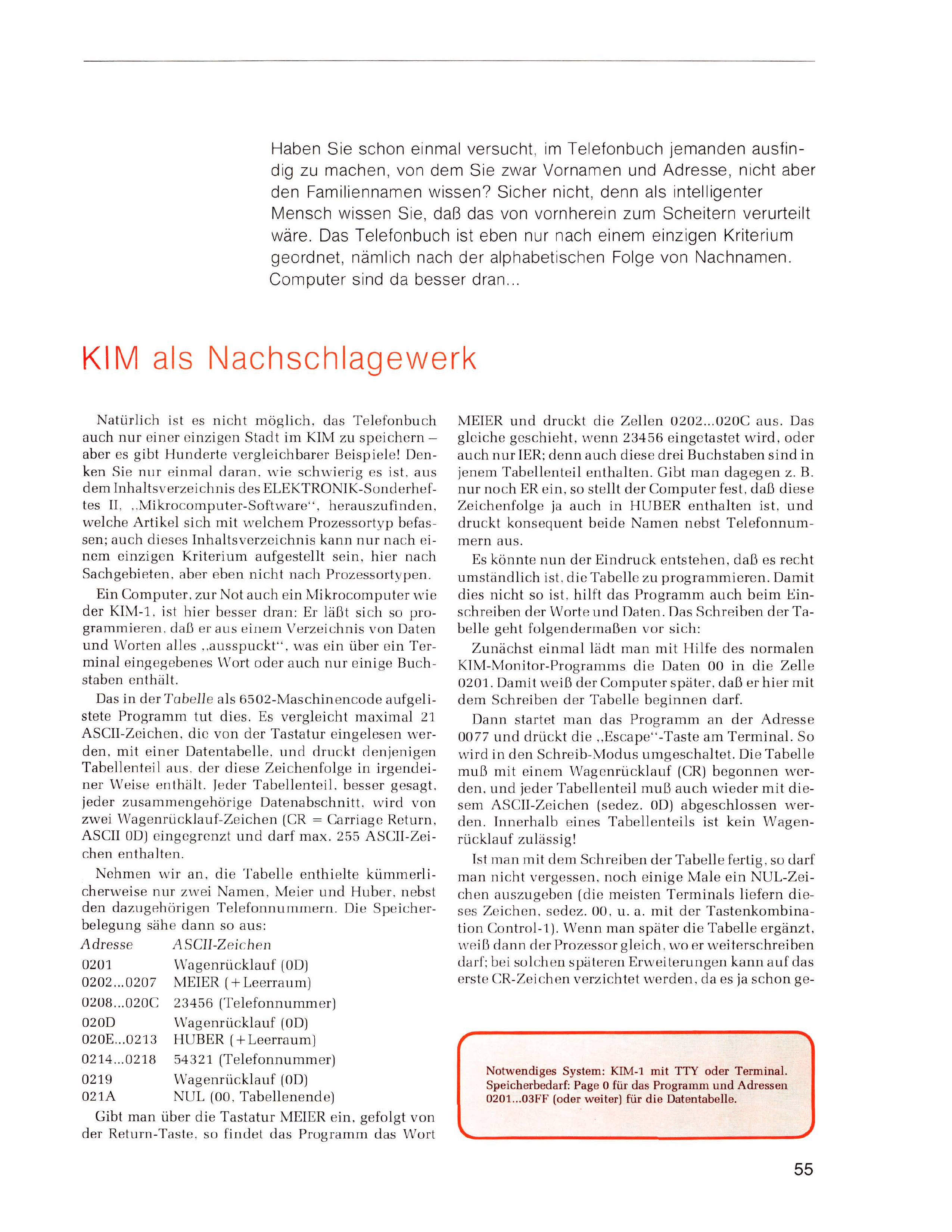
Here the pages where the program is described and the listing shown.
Nils, a very enthousiast PAL-1 user discovered in an old German magazine, 1979, HobbyComputer 1, a small phonebook program for the KIM-1.
It is a command line utility, extremely small and quite clever. See the post about it here.
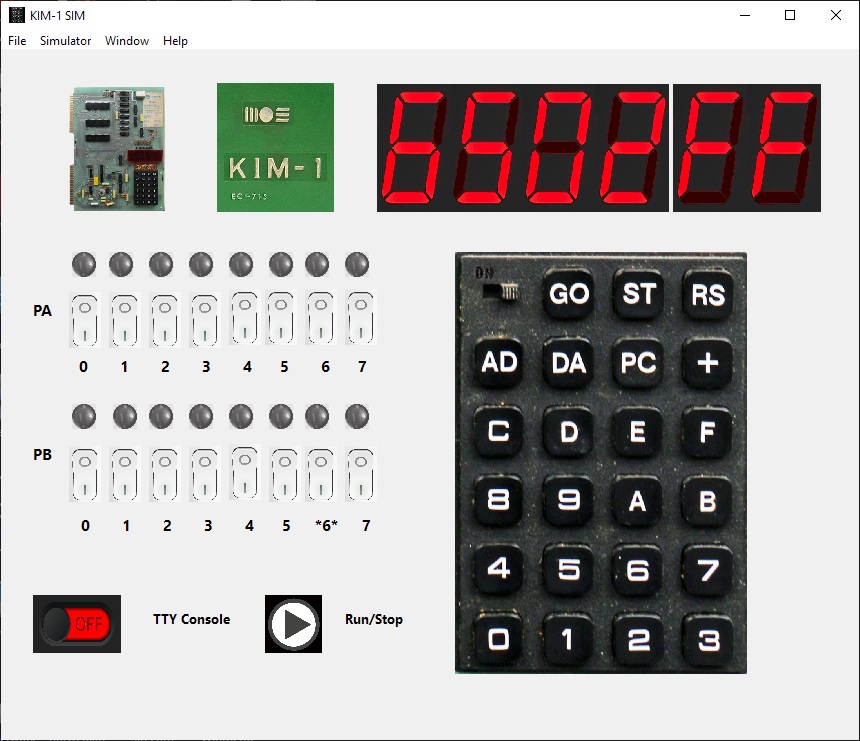
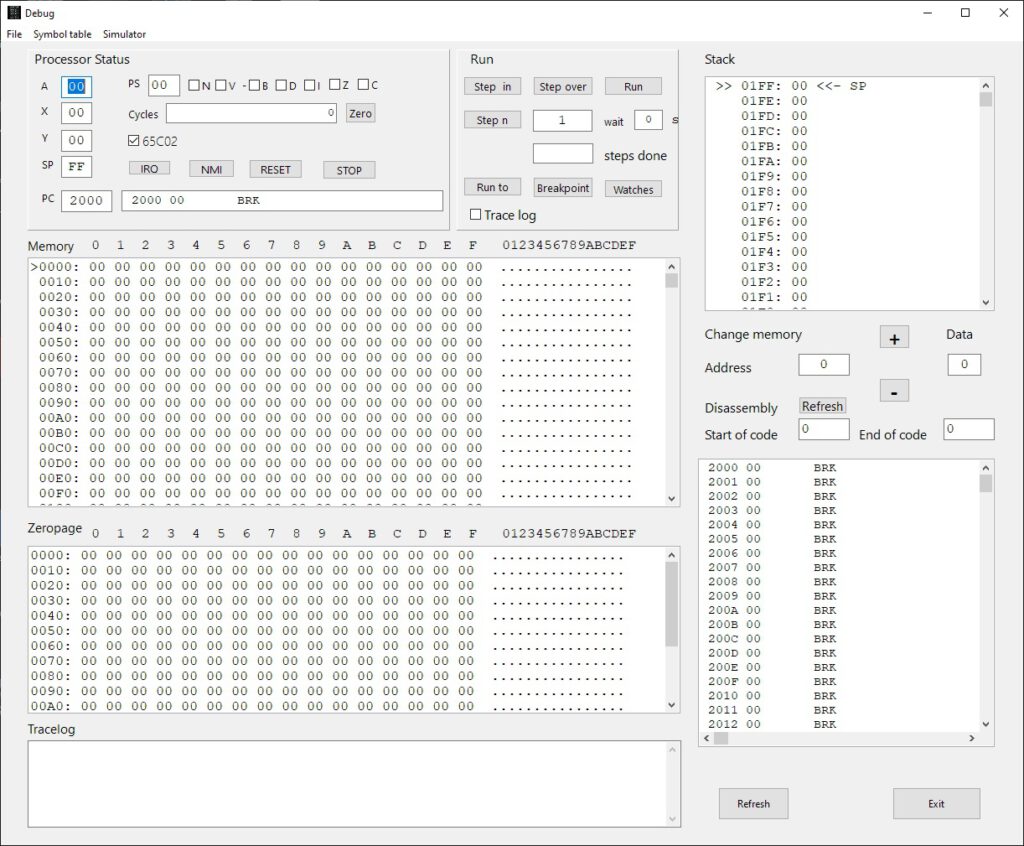
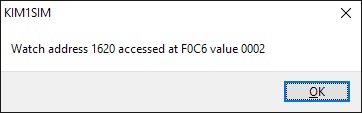
So he entered the code in assembler and did some tests on his PAL-1 (it worked) and in the KIM-1 Simulator, which was not working.
He found the ‘database’ corrupted.
Of course I had to look at it and see what was going on. It had to be something about using zeropage pointers into the database.
And it was. In the source an instruction appeared:
INY ; Y = 0
followed by an indirect addressing, Y into the database and preceded by a call to getch, reading a character from the keyboard.
Y was not used in the program before, so in the Simulator it was uncertain what the value was.
GETCH is known to destroy the Y register, delivering the character in register A. How is unspecified.
In the KIM-1 Simulator the KIM-1 GETCH is patched to the ACIA routines of the emulated 6850 serial interface.
Those routines do not use Y, so it is left untouched.
So time to study the KIM-1 routines. In the delay a bit routine the Y register is filled with the final state of a counter, TIMH.
It looks like the decrement ends with the value $FF, when the BPL becomes false, the whole purpose of the use of Y seems to determine that end of the loop?
 1ED4  AD F3 17  DELAY   LDA   CNTH30
 1ED7  8D F4 17          STA   TIMH
 1EDA  AD F2 17          LDA   CNTL30
 1EDD  38        DE2     SEC
 1EDE  E9 01     DE4     SBC   #$01
 1EE0  B0 03             BCS   DE3
 1EE2  CE F4 17          DEC   TIMH
 1EE5  AC F4 17  DE3     LDY   TIMH
 1EE8  10 F3             BPL   DE2
 1EEA  60                RTS
Anyway, the KIM-1 Simulator 0.9.4. GETCH routine now returns with Y=$FF and the phonebook program seems to work.
I know KB6 existed. The ‘6’ stands for the precision in digits of the floating point number. In the documentation KB-6 is described.
Never seen a version in the wild. I know KB6 existed. The ‘6’ stands for the precision in digits of the floating point number. In the documentation KB-6 is described. Never seen a version in the wild. So the reconstruction here is not checked with the original, addresses in the reconstruction from the linker differ from the documentation.”>So the reconstruction here is not checked with the original, addresses in the reconstruction from the linker differ from the documentation.

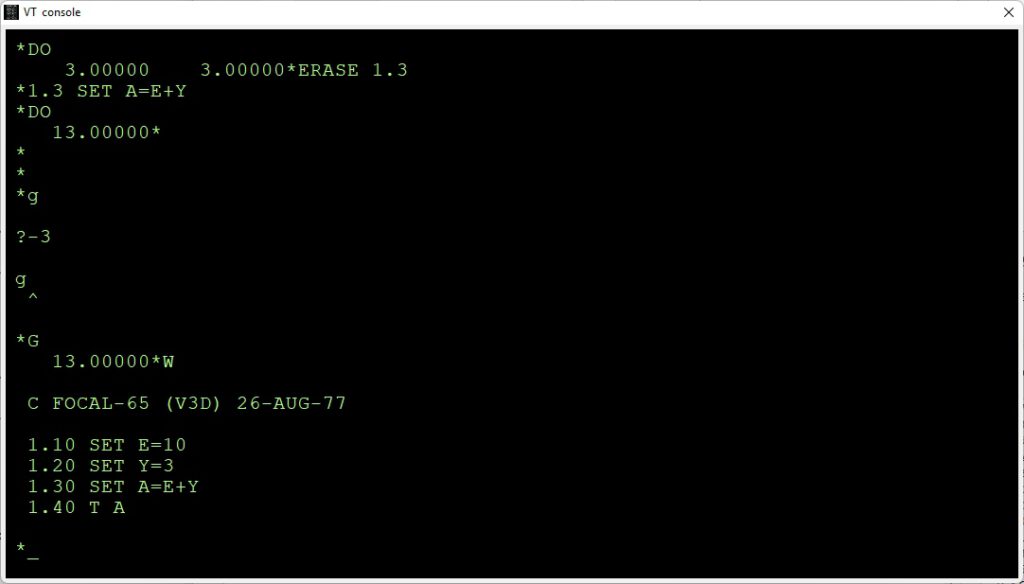









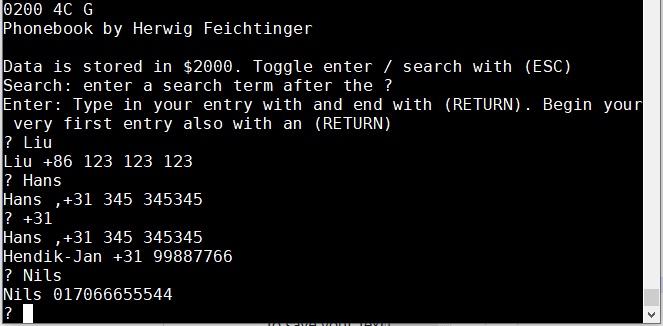 In fact, it is a searchable text database. Full article here