MOStermind


MOStermind is an implementation of the Mastermind board game for the KIM-1 computer.
Developed by HKZ.

It’s written in 6502 assembly using DASM assembler and MAME as developing tools.

You can download it here

How to play

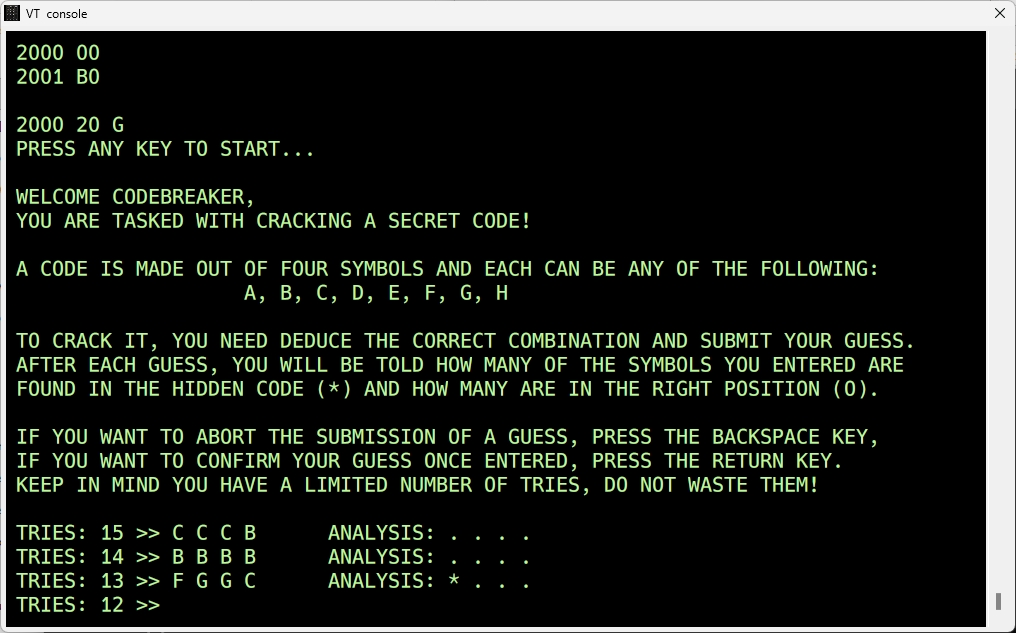
The game follows the basic rules of mastermind: the codemaster generates a hidden code and you have to guess it in a limited number of tries, while the codemaster gives you a report on how much you got right for each guess.

The codes are be composed by 4 symbols, each symbol can be one of the following 8 characters: `A`, `B`, `C`, `D`, `E`, `F`, `G`, `H`. Note that a character appearing multiple times in a code is perfectly valid.

After you type in the 4 character code and press `RETURN`, the codemaster will analyze your guess and report the result using 4 symbols:

– `O` indicates that one symbol is both the right character and at the correct spot
– `*` indicates that a symbol is a character that appears in the code, but is in the wrong place
– `.` Indicates that a character is not present at all in the code

Note that these are **NON POSITIONAL**, and they’re just shown in order of precedence: first `O`, then `*`, then `.`. They bear no information on which of the characters is right. You’ll have to find that yourself.

In case you want to cancel a guess before submitting it (to avoid wasting a try), you can press `BACKSPACE`. The guess submission will be aborted, no analysis will be performed and you’ll be able to submit a new guess.

Does it run on the KIM-1 Simulator? YES!

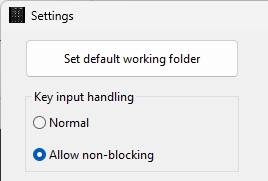
You only have to set the FOCAL_V3D break setting in the Settings.

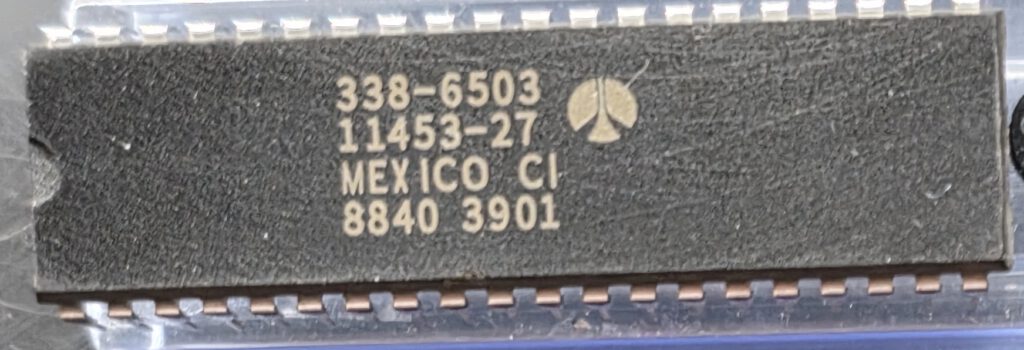
338-6503 Rockwell, a R65C02 with an obscure number

I saw an advert on bey (China seller) for a Rockwell 6503 IC. The 6503 is a variant of the 6502 with limited number of pins to 28, the same 6502 core with less addressing space.
But something in the advert made me wonder, a 40 pin 6503?

I ordered one and indeed a 40 pin IC appeared. So this is not a 6503!
Then I searched the internet for the 338-6503 printed on the IC and found references to it being a R65C02.
And indeed, the 6502 testers recognized it as working 65C02. Weird!
The ‘6503’ was found in Apple IIe and Apple IIc computers.

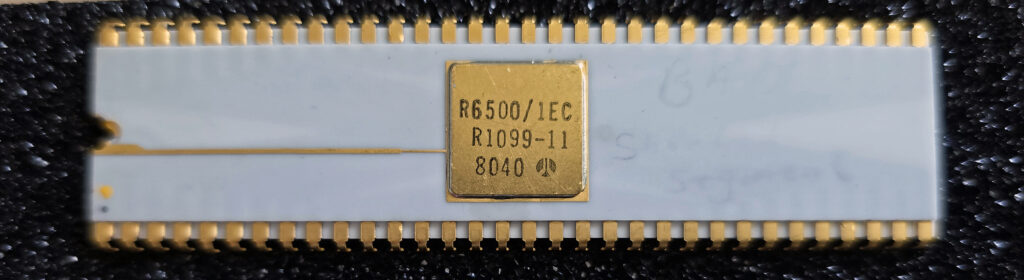
R6500/1EC Microprocessor Emulator Device

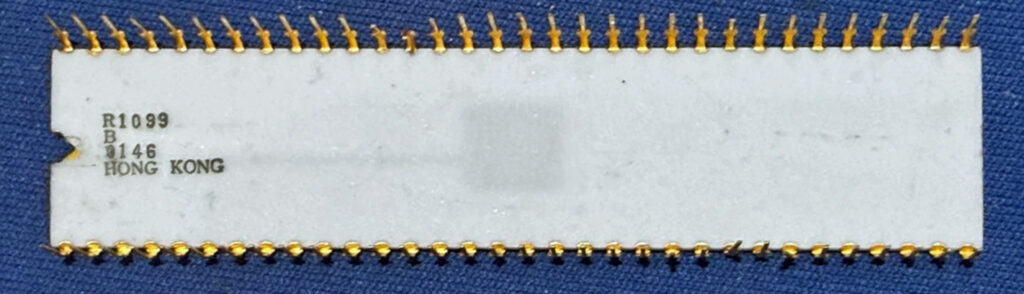
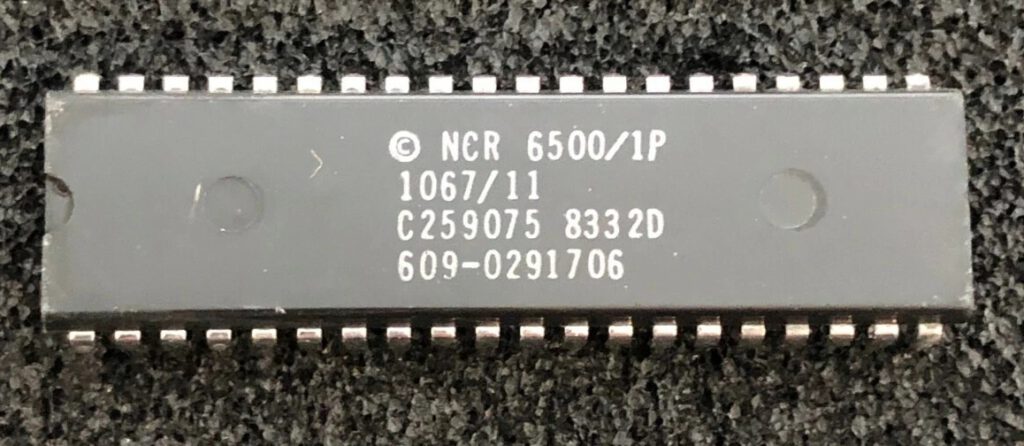
I acquired a R6500/1EC IC. A beautiful white version. Week 40 1980, NMOS.The R6500/1EC is a development IC for the R6500/1 microcomputer family.

Rockwell R6500/1 family

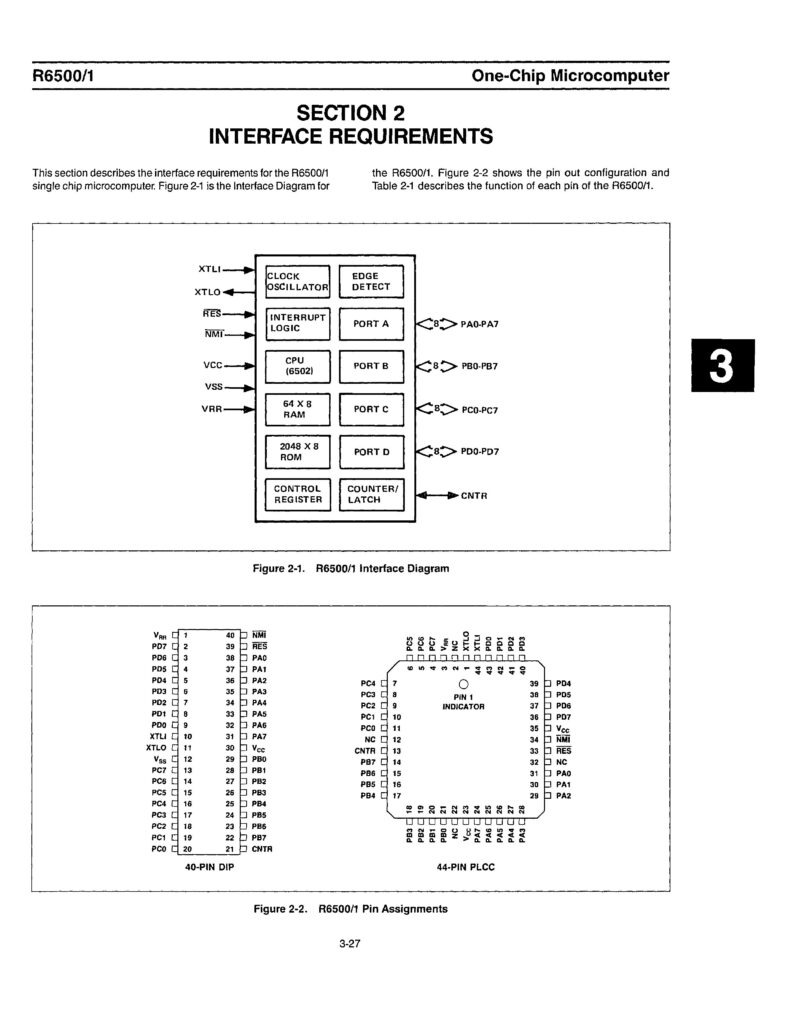
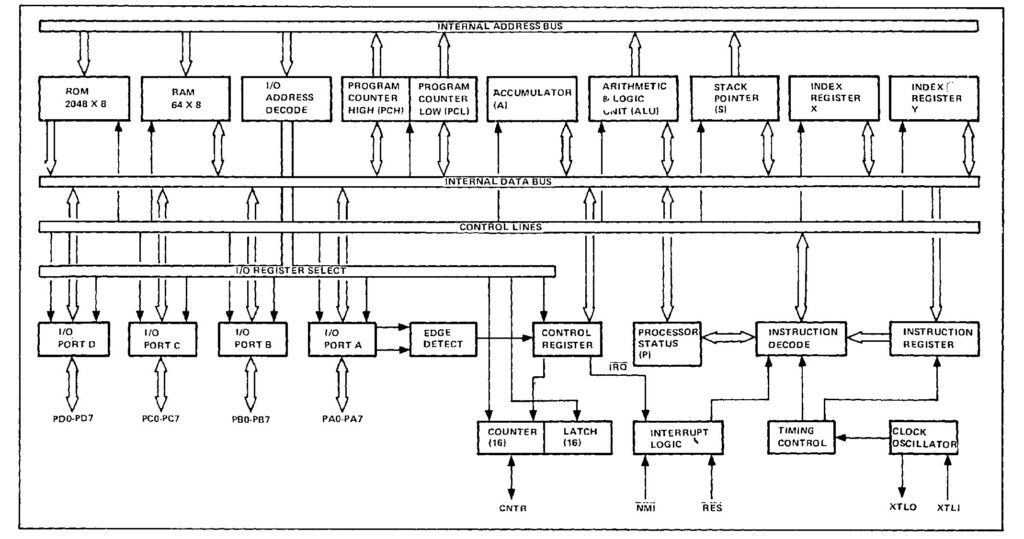
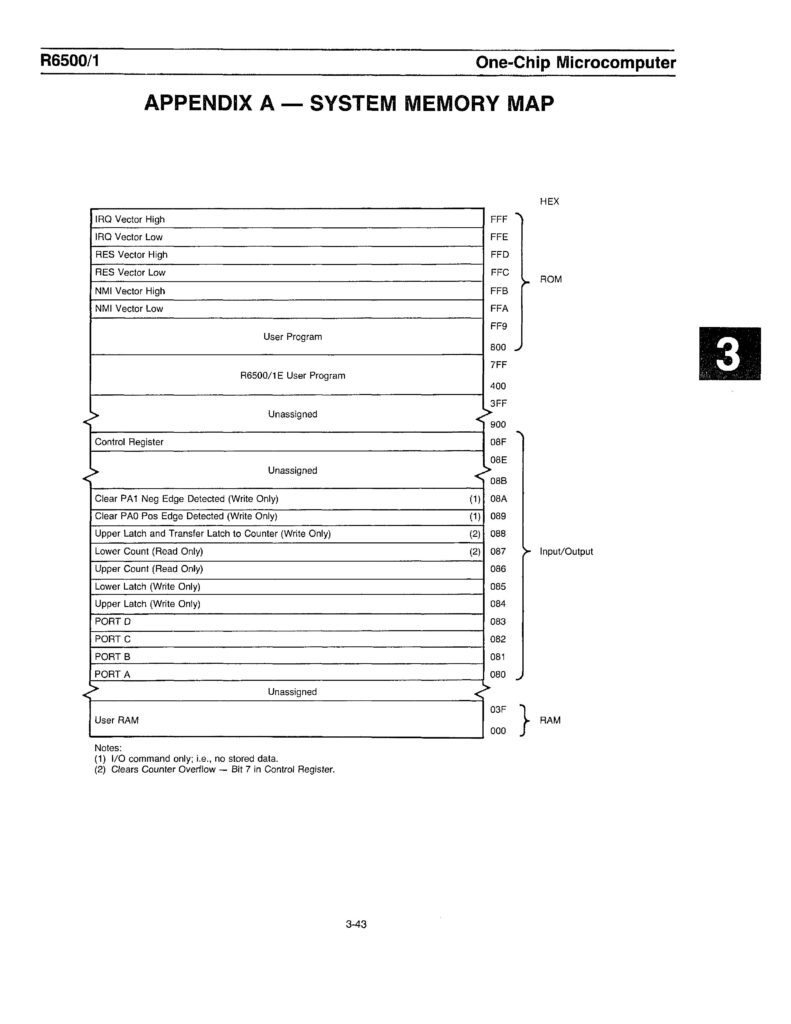
The R6500/1 is a 6502 , ROM (2K) 64 bytes RAM ,4×8 bit I/O, a 16 bit timer with I/O pin.
The ROM contents are factory mask-programmed, not programmable by the user.

This makes it a standalone microcomputer, no extra RAM/ROM or decode logic required.

There are no external address lines or data lines, the 6502 is all internal except the interrupt lines and clock.

Rockwell R6500/1EC

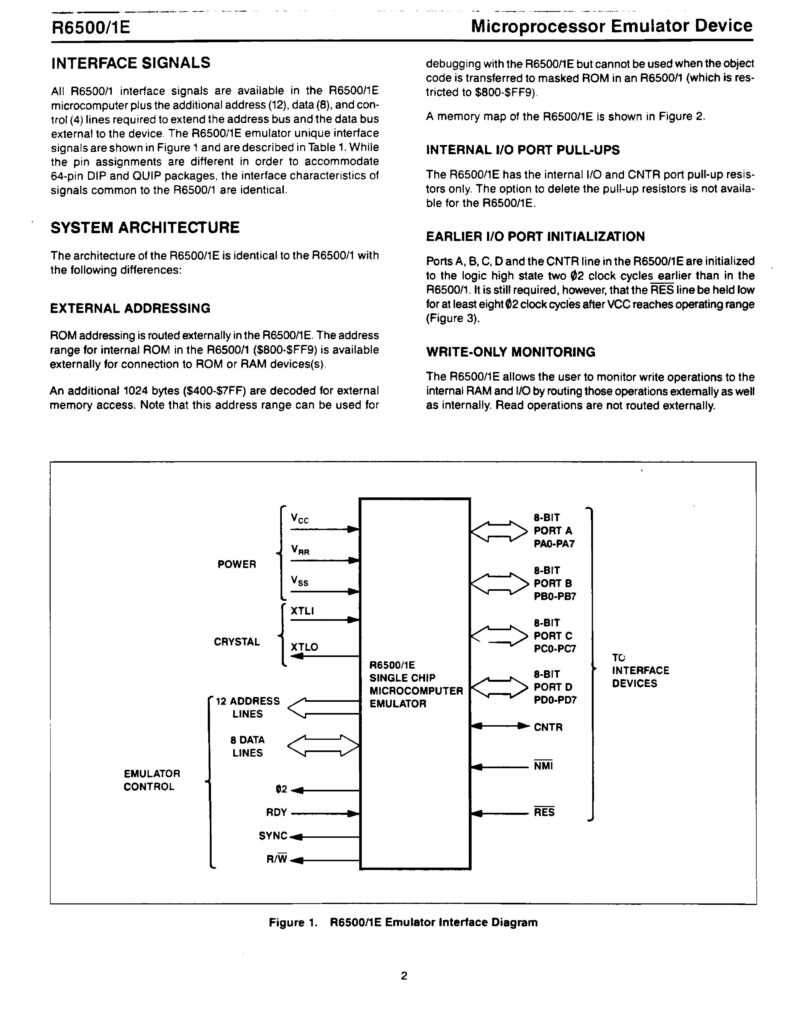
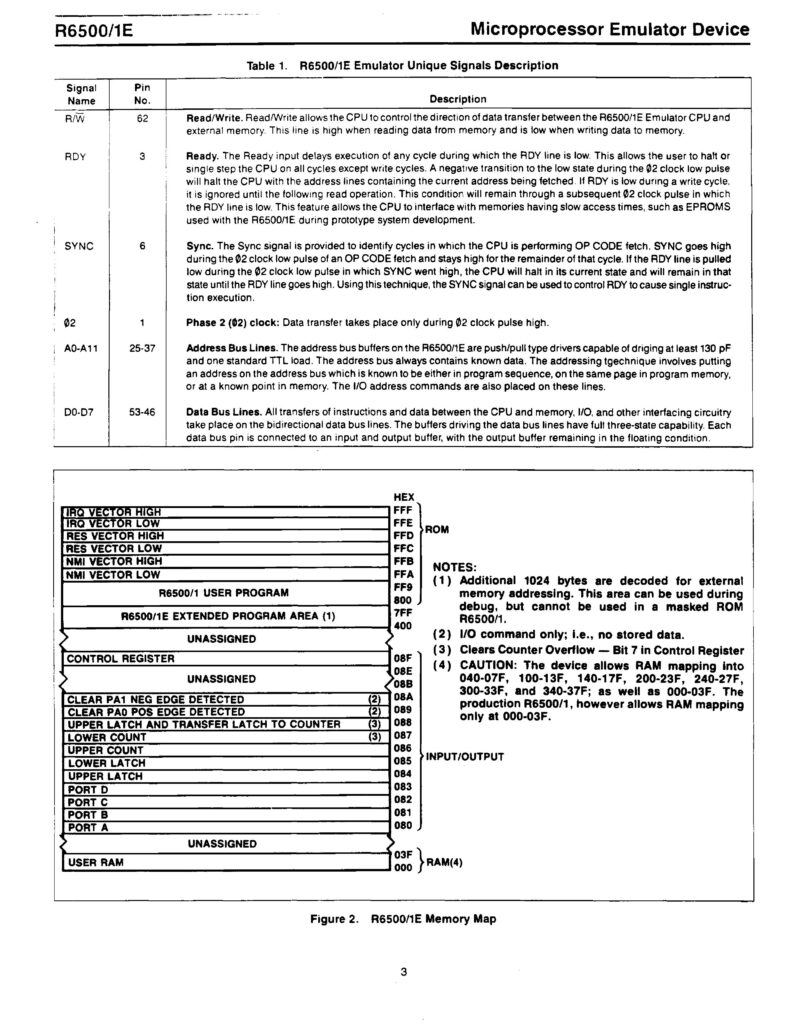
To develop applications with the R6500/1 Rockwell developed the R6500/1EC. This IC has the same pins as the R6500/1 but adds address and data lines and relies on an external ROM.


Downloads

R6500/1 One-Chip Microcomputer
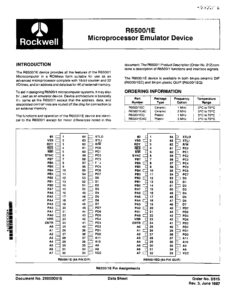
R6500/1E Microprocessor Emulator Device
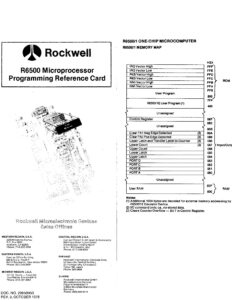
R6500/1 Microprocessor Programming Reference Card

The 6500/1 has been used for example in the AMIGA 1520 Plotter. I found this image on ebay:

Commented source of UPS-65 Thaler SBC

Ian day published the commented source of the UPS065 monitor.

KIM-1 Simulator V2.3.0

Again Eduardo Casino has enhanced the KIM-1 Simulator V2.3.0 after adding the K-1103 and Corsham SD-Shield with CODOS and CP/M-65 operating system in V2.0:

Version 2.2 and 2.3:

– The Console has now a complete VT100 emulation with color and the DEC Special Character set
– The console supports cut and paste text with the mouse (very handy to dump a papertape into the KIM-1)
– The K-1008 Visable Memory emulation has become blazing fast
– All settings are saved between sessions

Jolt replica

The 7427 and the white 6502 have arrived and are showing off in the time period correct Jolt replica.

KIM-3B added to my collection

A KIM-3B is a 8K bytes memory expansion made by MOS Technology (already part of Commodore then) for the KIM-4 motherboard.

I recently acquired a good looking KIM-3B myself. Nothing new, all is already known about it. Now with photos made by myself!

TERC KIM-1 Interface set

A recent acquisition, the TERC (Technical Education Research Centers) KIM-1 Interface set. An educational tool to work with the KIM-1 from the 80ties.

The KIM-1 Interface permits easy access to the input/output ports on the KIM-1. Other connections such as power, ground, tape recorder input and input and output are accessible by solderless connectors.


post

A demo of the new facilities in the KIM-1 Simulator 2.2.1

A demo of the new facilities in the KIM-1 Simulator 2.2.1

Scroll, copy paste of the console.

New versions of KIM-1 and TIM Simulator with thanks to Eduardo Casino.

PROTON KB-2 keyboard

Walter van Waard found a keyboard made by PROTON, a Dutch company from the 80ties that produced many 6502 and Z80 based computers and peripherals.


It looks like an ASCII keyboard with more function keys (F1-F8) than usual.
Production date is probably not before 1984 since the ICs have date codes from 1983.
No documentation or description is known.

On the PCB you see:

  1. The MC6802, an 6800 with 128bytes RAM and an internal clock oscillator
  2. The 74LS138 glue logic IC
  3. A 74LS14 with a potmeter and capacitor
  4. A MC145028 dual flip flop with some resistors and capacitors, perhaps a clock oscillator
  5. 2x MC6821 PIAs to sense the keyboard matrix and presumably serial I/O via bit-banging.
  6. A K1/K2 connector, where three wires are connected. One wire goes to a pin of the 6821 PIA, the other two are power supply 5V and ground.
    When a key is pressed, the 6821 pin goes to 0V, so it looks like a (poor mens) rs232 signal.
  7. A keyboard matrix with many extra keys (F1-F8, cursor keys, CHAR Insert/Delete, numerical keyboard.