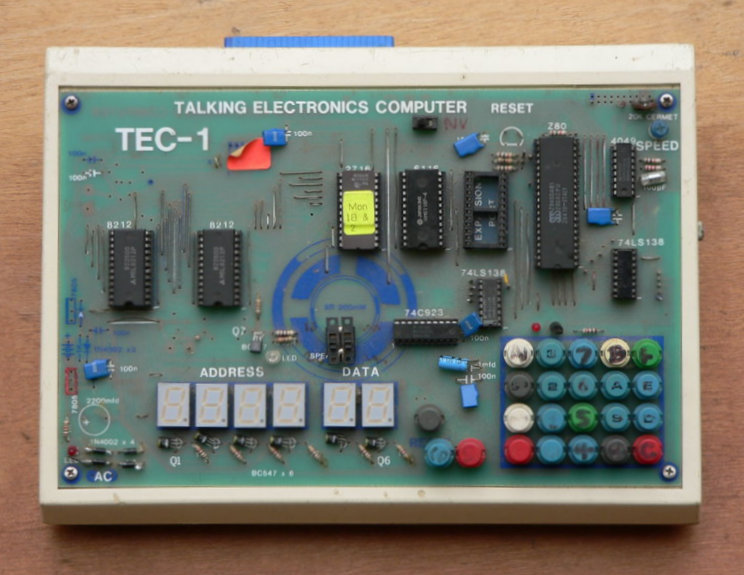
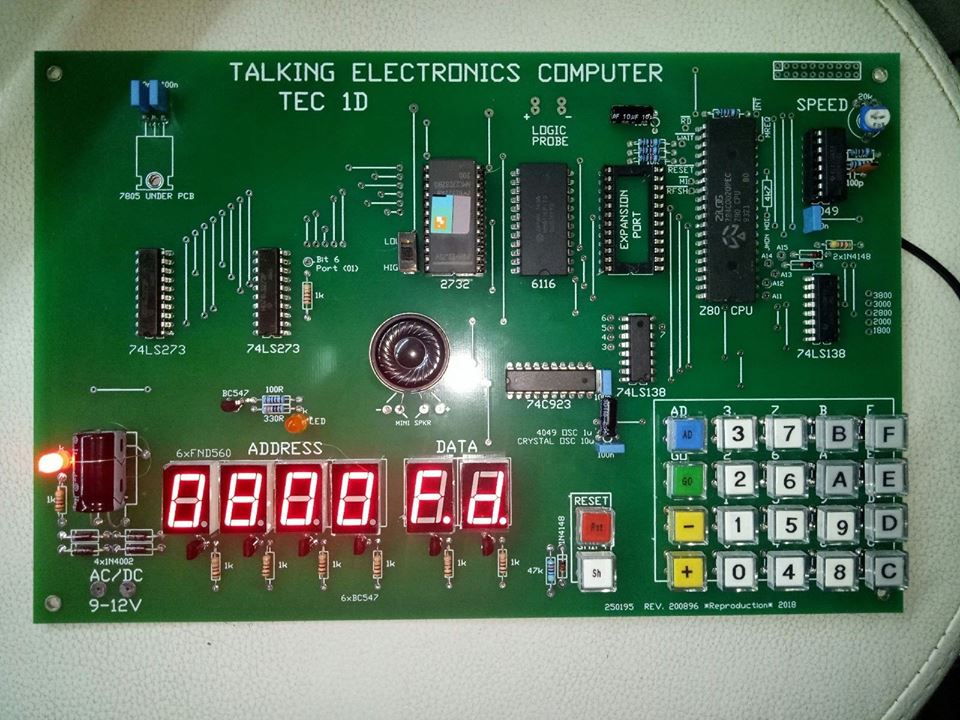
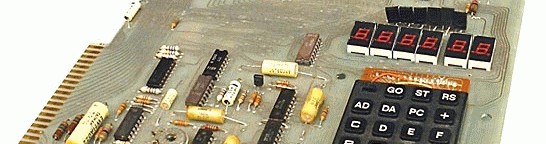
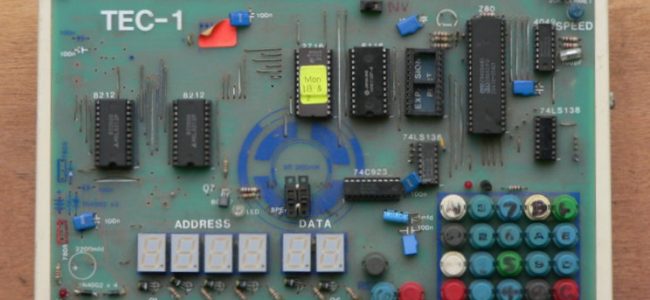
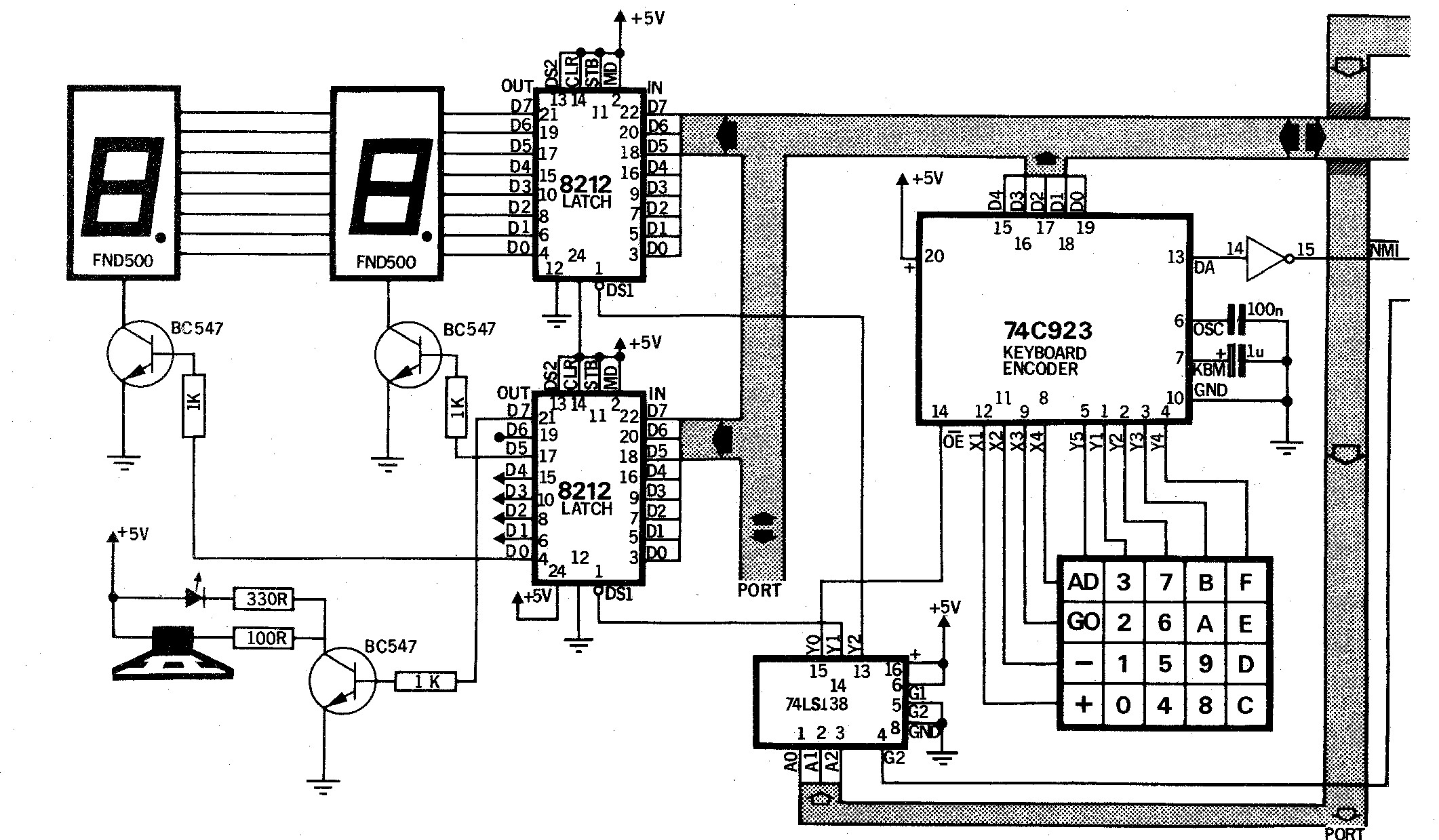
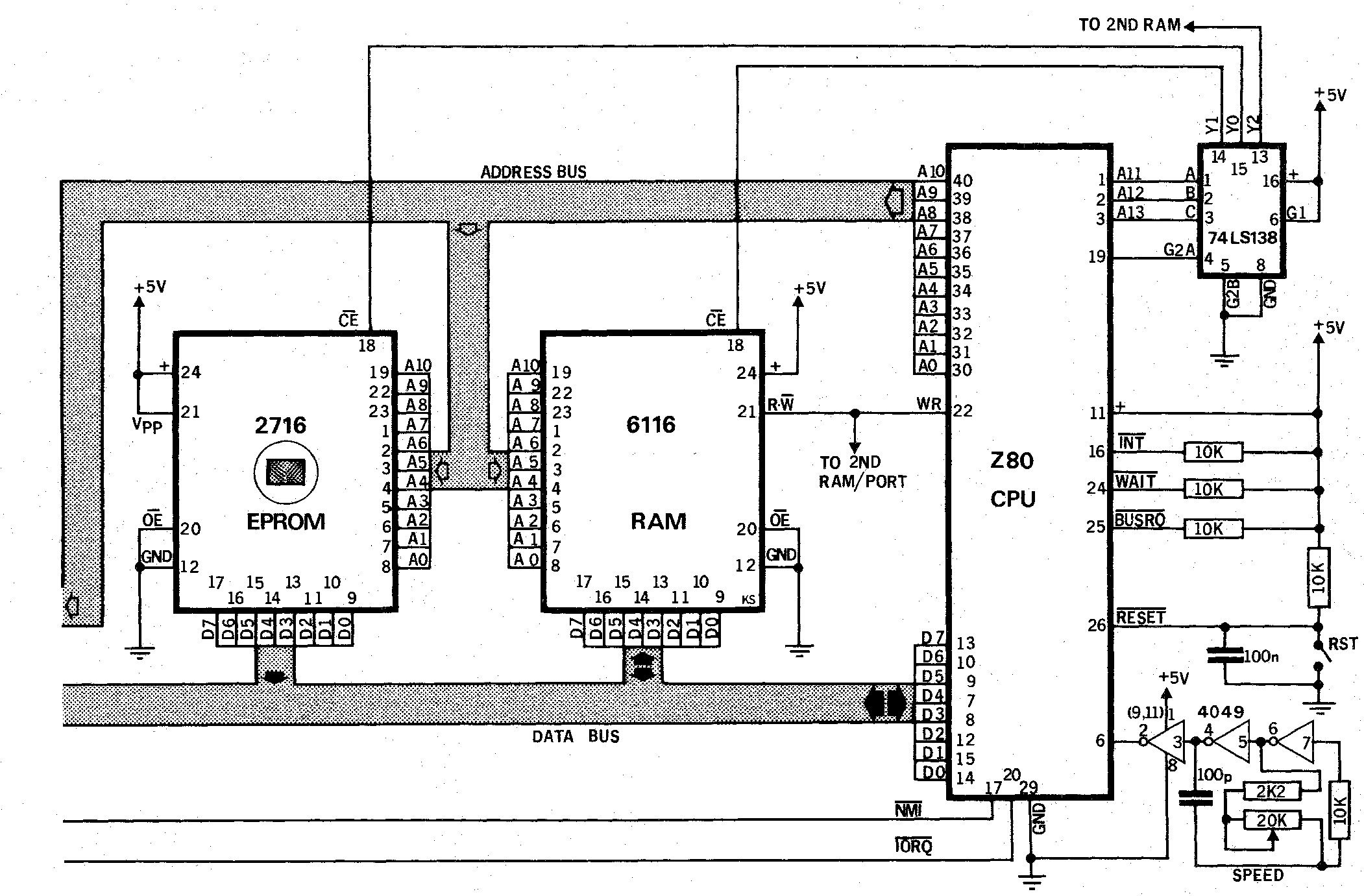
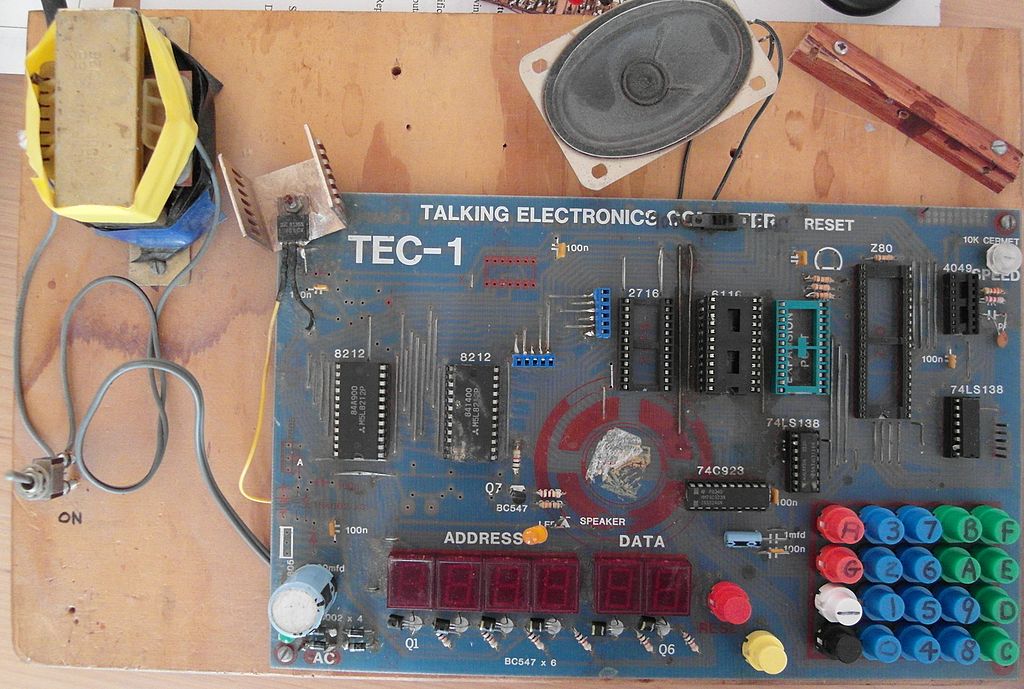
Specifications: Z80 with variable clock speed (IC 4049 oscillator).20 keys for the main input (16 hexadecimal keys for numeric input and keys labelled AD (for address), GO (to execute a program), + and -. Scanned with a 74C923 keyboard encoder. 6 seven segment displays with 8212 latch IC’s, also the source of a 1 bit speaker for sound.2716 EPOM with monitor MON1 or MON1b. 6116 SRAM for 2K RAM.
Memory decoding with 74LS138. Expansion connector in the form of a IC socket, 6116 compatible, extra chip select signals available. The expansions used this for extra RAM (RAM stack) e.g.
There was also a reset key in the standard configuration and the 1A optional upgrade had a function key.
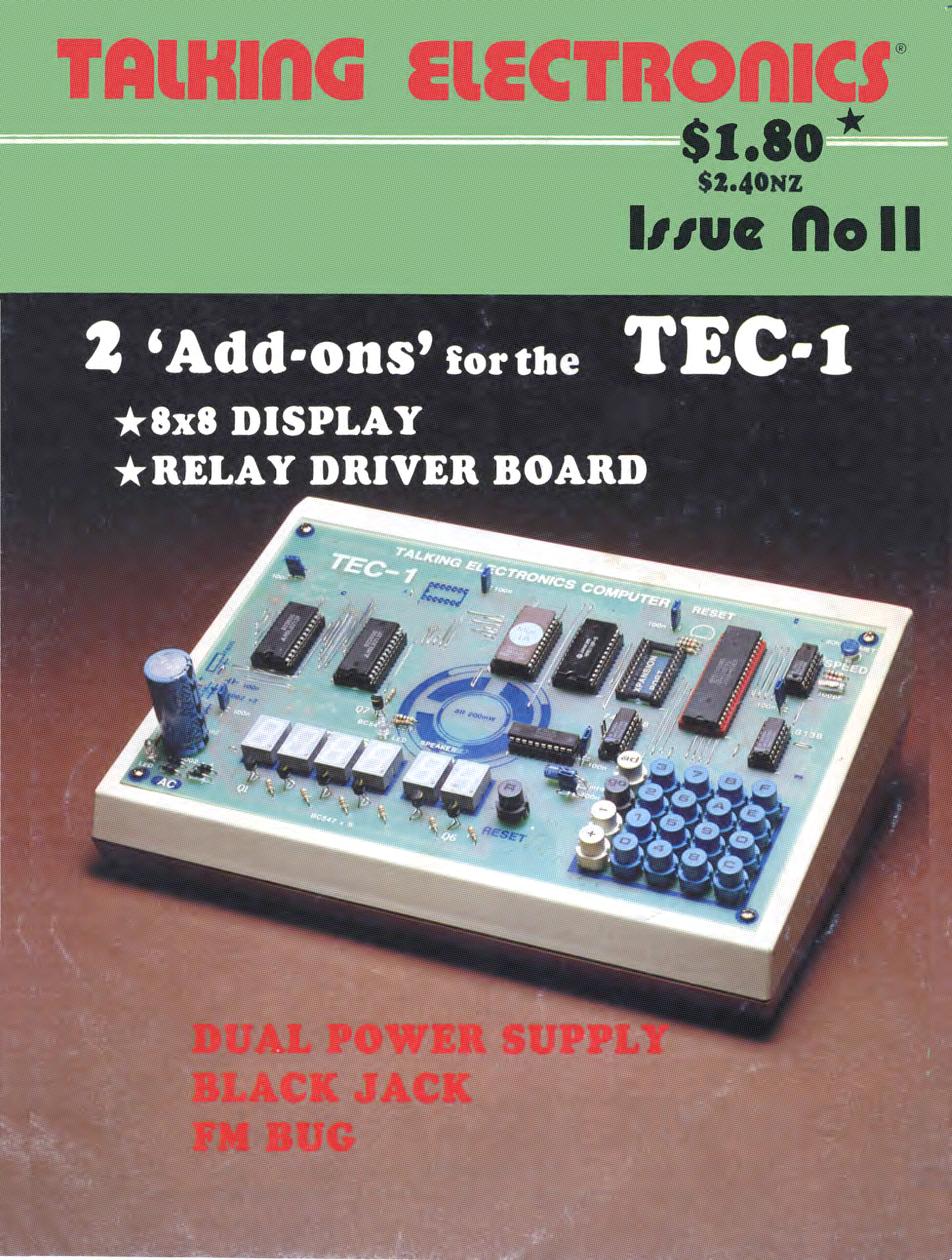
Addons published, most of those to be inserted in the expansion connector, so one at a time.
The crystal oscillator gice the TEC-1 a real crystal fixed clock.
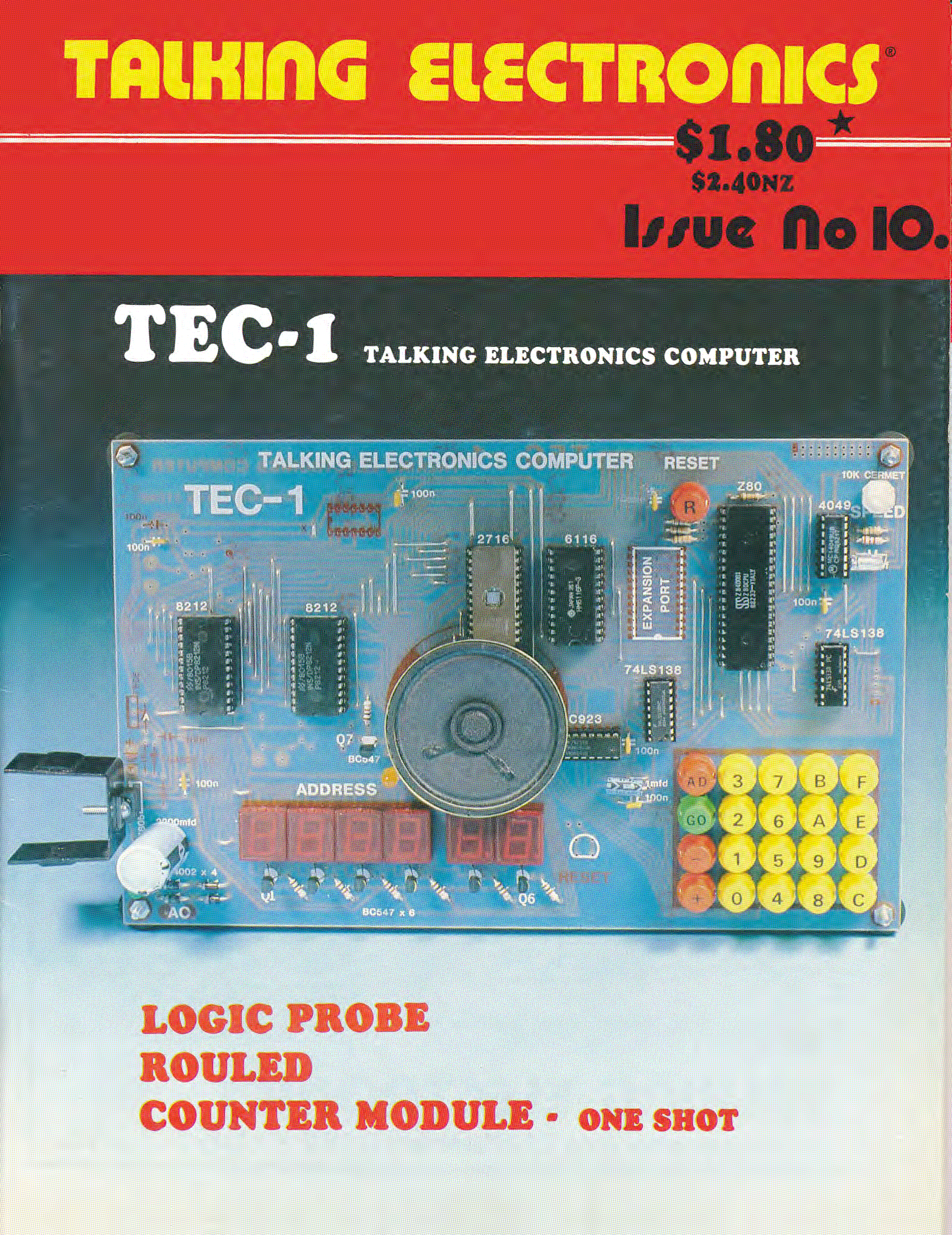
The TEC-1 is a single-board kit computer introduced by Talking Electronics in the early 1980s. The design by John Hardy and Ken Stone was based on the Zilog Z80 CPU, had 2K of RAM and 2K of ROM in a default configuration. Later versions used a 4k ROM with two different versions of the monitor software, selectable via a switch. This allowed the early software presented in the magazine to be used with the later version of the TEC-1. It was featured in 1983, in Volume 1, Issue 10 of the Talking Electronics magazine.
Talking Electronics or TE was an Australian electronics magazine from the 1980s aimed at beginners and hobbyists, founded and produced by Colin Mitchell in Cheltenham, Australia. The general magazine lasted 15 official issues, but there were many one-off publications produced in addition to the issue-based magazine. Some of these included the FM Bugs series of books, The Electronics Notebook series, and model railway projects. The first issue was in 1981, with the last issue being #15 in May 1989. Colin Mitchel has still an operational Talking Electronics website and business.
Versions of the TEC-1:
– TEC-1
– TEC-1A Change to 74LS374/74LS377 latches, other PCB changes.
– TEC-1B Addition of Shift key.
– TEC-1C Released after issue 15.
– TEC-1D Released after issue 15.
– TEC-1D Reproduction by Ben Grimmett in 2018 based upon the PCB artwork of thr TEC-1D
– TEC-1 Wicked Emulator
Information on the TEC-1 in the following pages:
This page is about my interest in retro 8-bit small computer systems computing and electronics. And the role of Dutch electronic magazines like Elektuur and Radio Bulletin in the eighties of the 20th century. Also the Dutch users club, called KIM Gebruikersclub, which I joined in 1978 and contributed to as member of the board and as chief editor of the magazine issue 11 to 25.
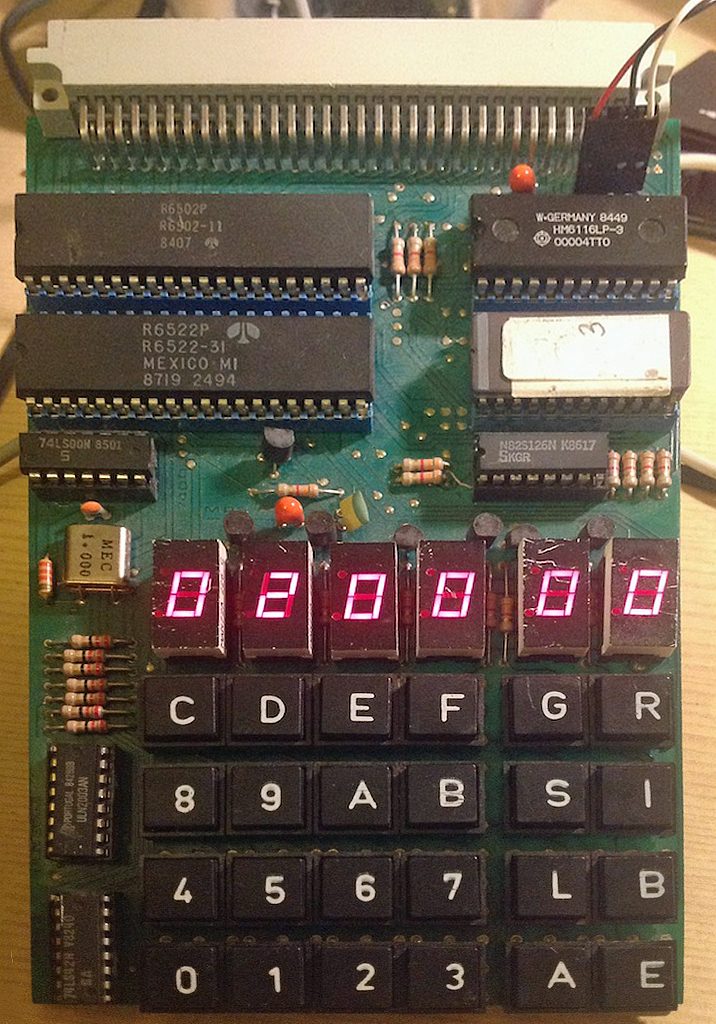
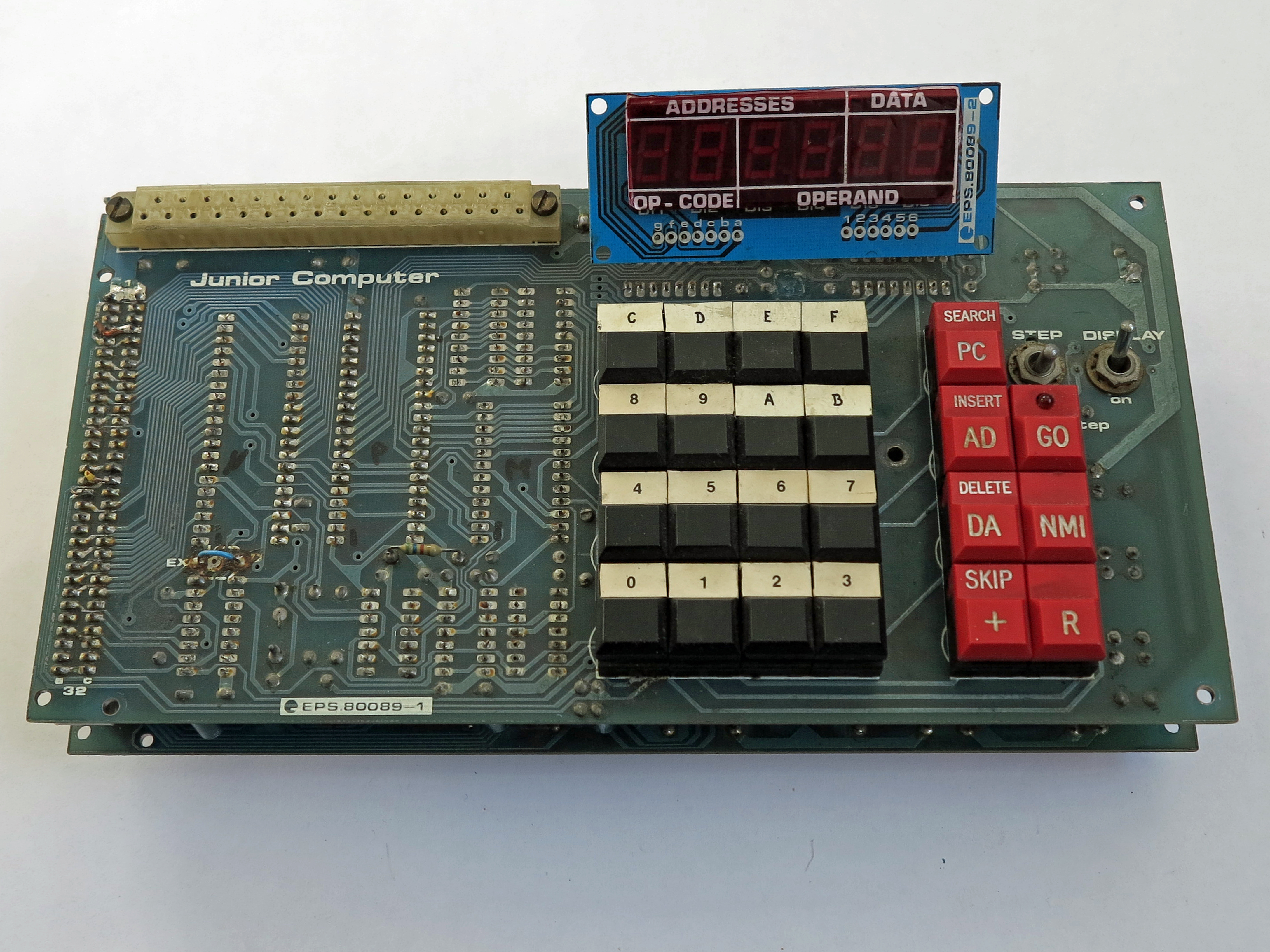
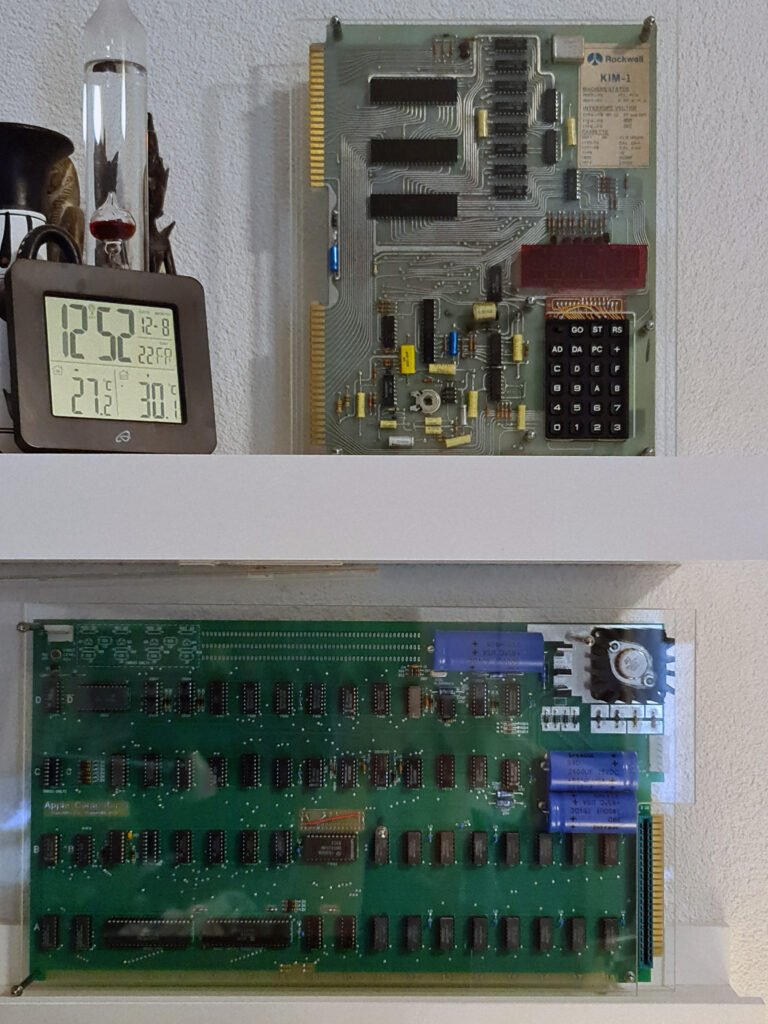
The retro computing pages are documenting my experiences with 8-bit systems like the KIM-1 and its relatives such as the Apple 1 and the Junior. And various small Z80 and other systems.
I set up this archive as my personal archive of what I research on the subject. If it is of any use for others, fine, enjoy!
In the early days of computing, magazines about popular electronics played a big role in making microprocessors available for the beginner, whether the professional or hobby electric engineer. The magazines featured here are the dutch magazines Elektuur and Radio Bulletin. From 1977 until 1996 I worked as technical editor for Radio Bulletin and published about microcomputers and more general electronics. Elektuur published also articles on these subjects, many are available here.
What is a SBC for me?
A SBC, short for Single Board Computer can be defined as a computer system, based on a microprocessor, on one printed circuit, with keyboard and display, programmable I/O ports, expansion connectors and without a casing. The ‘operating system’ is stored in a (EP)ROM, an often small amount of RAM is available to store programs and data These were the first microprocessor based computers with affordable prices for hobbyists in the late seventies of the previous century. For professionals a way of getting acquainted with the new hardware and learning the basics of programming at a (very!) low level.
Though it is a complete computer, it has a CPU, memory and I/O, it is also a very limited one. The I/O is often not more than a small keyboard with hexadecimal functions. The display is often not more than 6 or 8 seven segment LED displays, just enough to show, in hexadecimal format, addresses and data. The operating system allows entering and examining of data in memory locations, and start and stop a program. Loading and saving data is limited to either papertape readers and punches, quite common in these days, or via some modulation as data files on audio cassette recorders. Also common is the ability to attach a teletype like the ASR33.
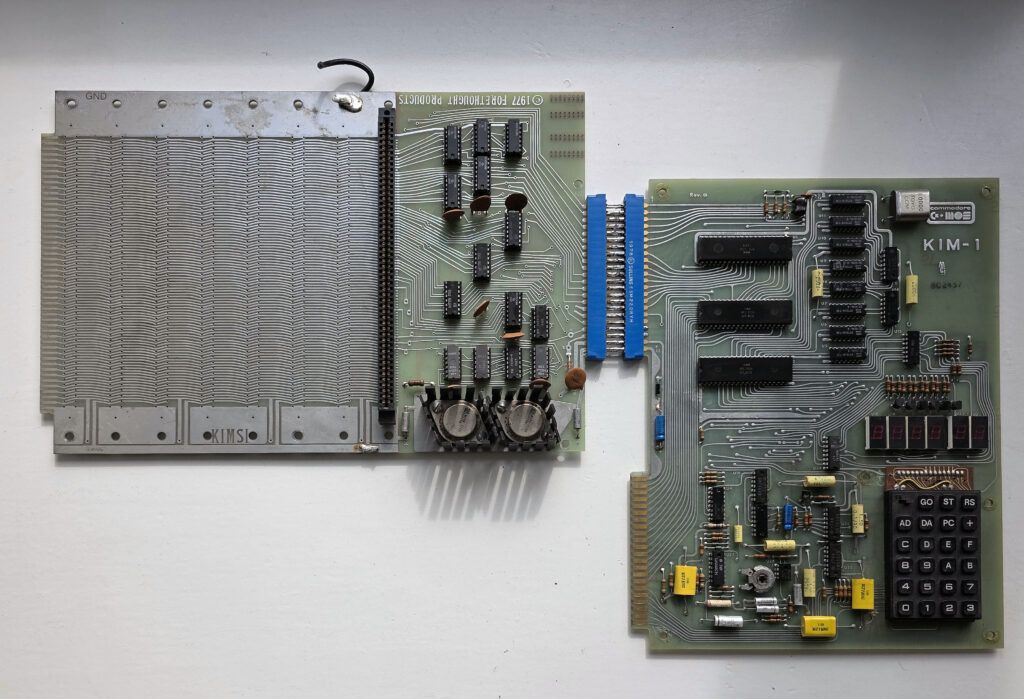
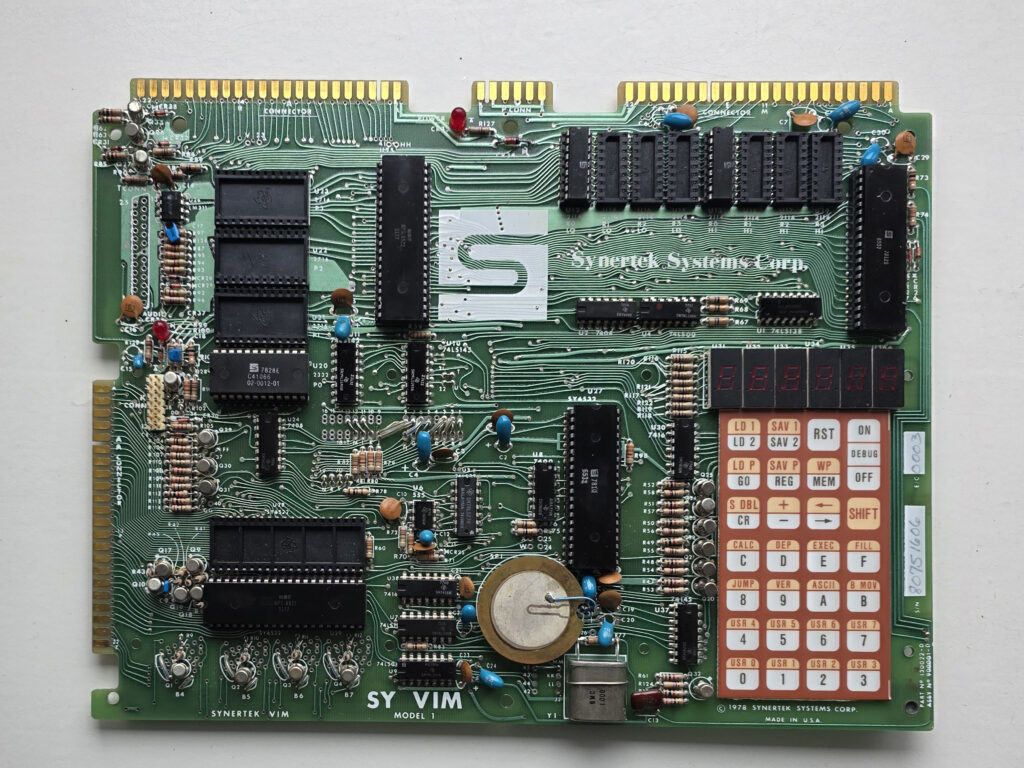
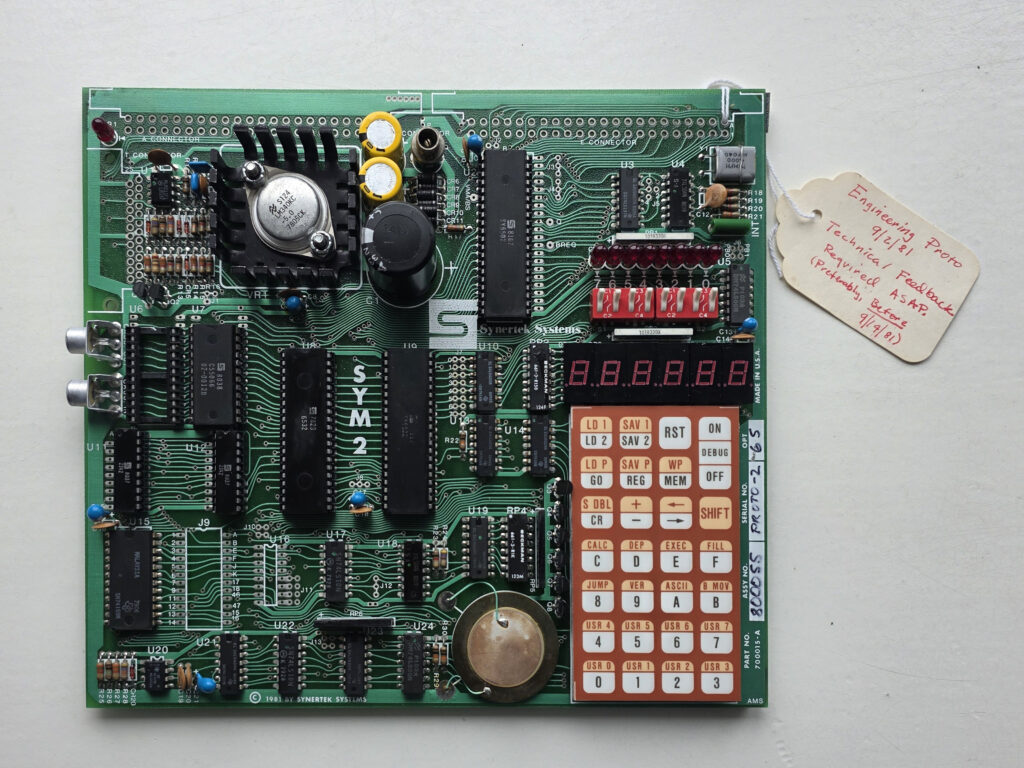
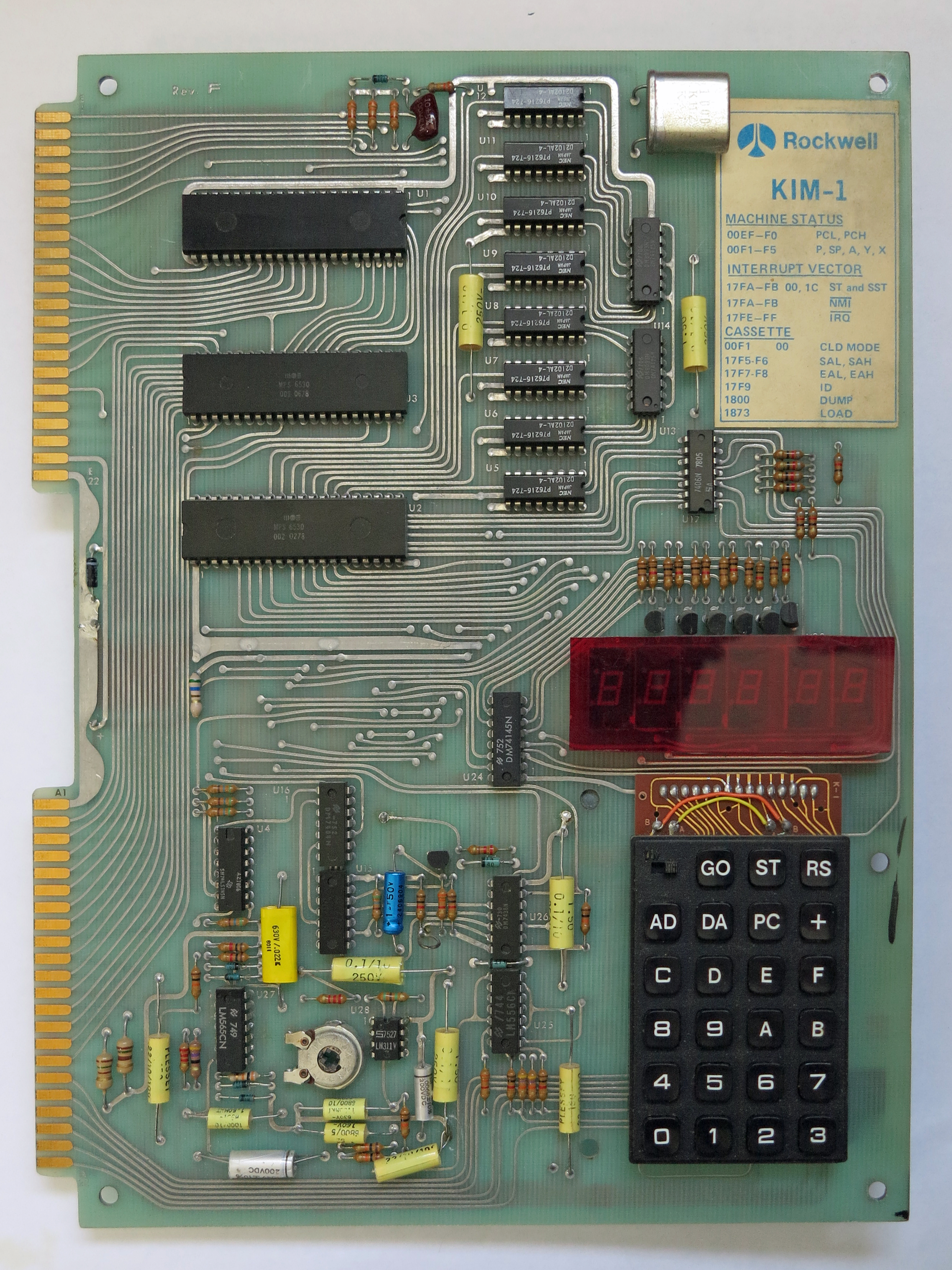
A good example of such a SBC is the KIM-1, shown below. 2K ROM, 1K RAM, many I/O lines free, six LED displays and a keyboard with hexadecimal keys and some function keys.
Why these SBCs like the KIM-1 became so popular? One reason was the low price ($ 280 for a KIM-1, I paid 795 guilders ), so it was in the price range of the average student and hobbyist. Another is the design being open, the complete hardware description and detailed listing of the ROM was included. And it is not the frightening computer, but more a programmable piece of hardware. Because it was so easy accessible and low speed, adding and changing hardware is not hard also. Programming was not easy, but editors/assemblers that could run with some added hardware like RAM and a video terminal made that possible. The nowadays common practice of cross compiling was not available for the hobbyist then.
Besides playing with the SBC, to learn what the microprocessor is capable of, many SBCs were put to work as a sort of PLC, controlling devices in the real world.
What changed the popularity of SBCs was the wish to transfer it to a computer with a better user interface, like graphics on a video screen, a full blown keyboard, a real operating system with mass storage such as floppy drives, and a higher fun factor, a.k.a. games. Or to make it a serious computer fit for business. So SBCs became extinct fast in the mainstream hobby world when the hobbycomputer appeared on the market, like the TRS-80, PET and later the C-64, MSX etc. Even later the boring business PC killed the hobby computer, but that is another story.
It seems the SBC’s are back though: Arduino and Raspberry Pi Contact form to contribute to this fascinating hobby!



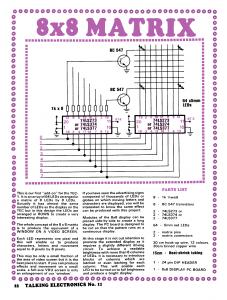 8×8 matrix
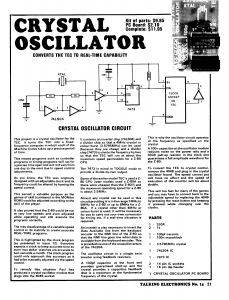 Crystal oscillator
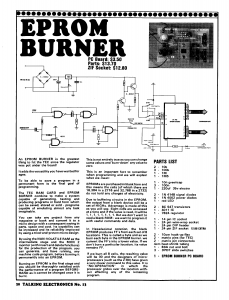 EPROM burner
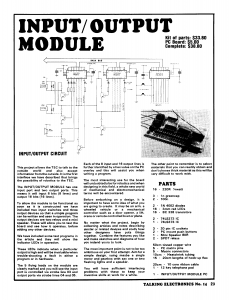 Input Output module
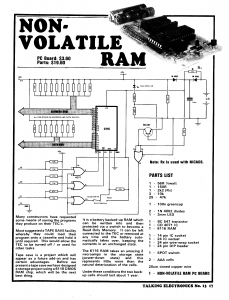 NVRAM
NVRAM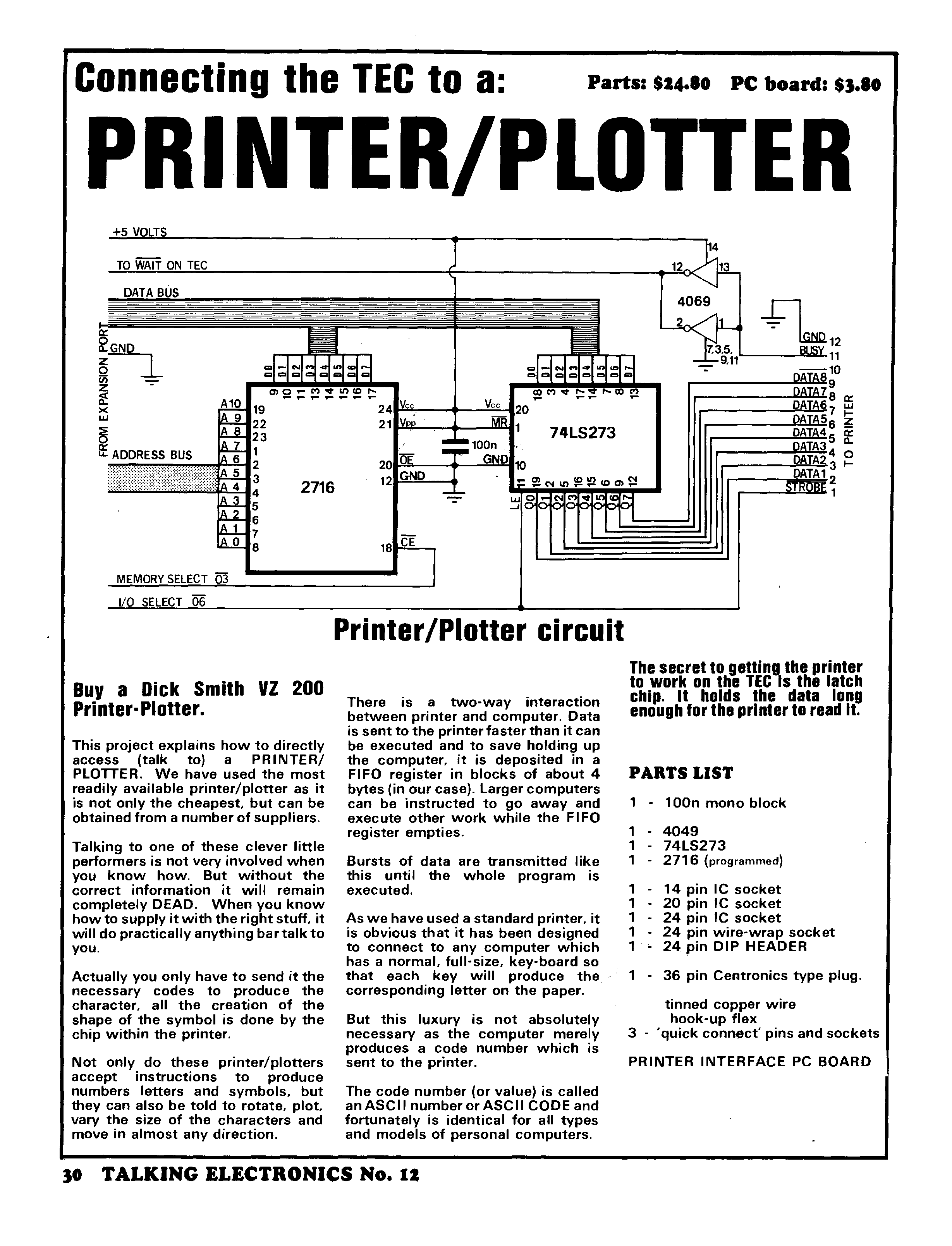 Printer plotter
 RAM stack
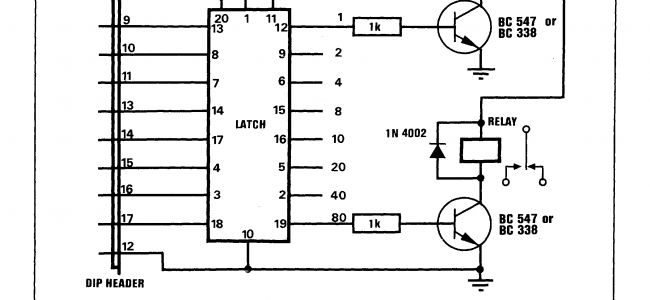
 Relay board
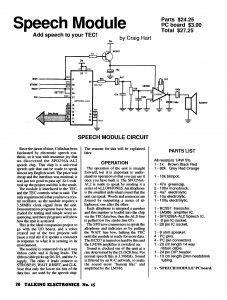 Speech module
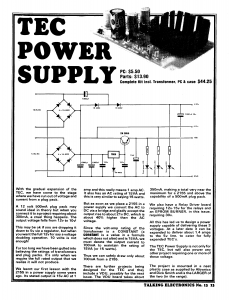 TEC Power supply
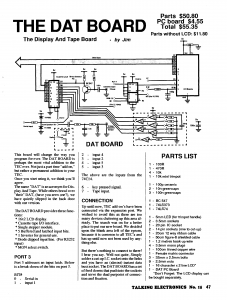 The DAT board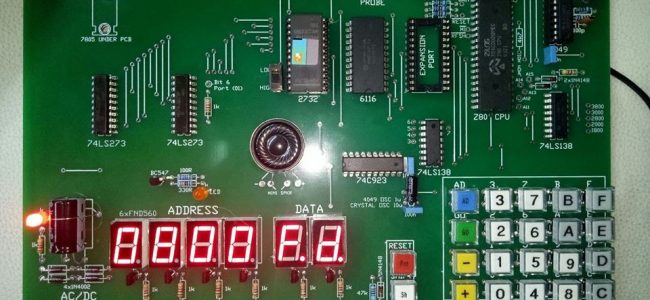
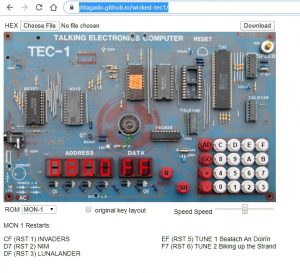 TEC-1 emulator website with all known ROM variants.