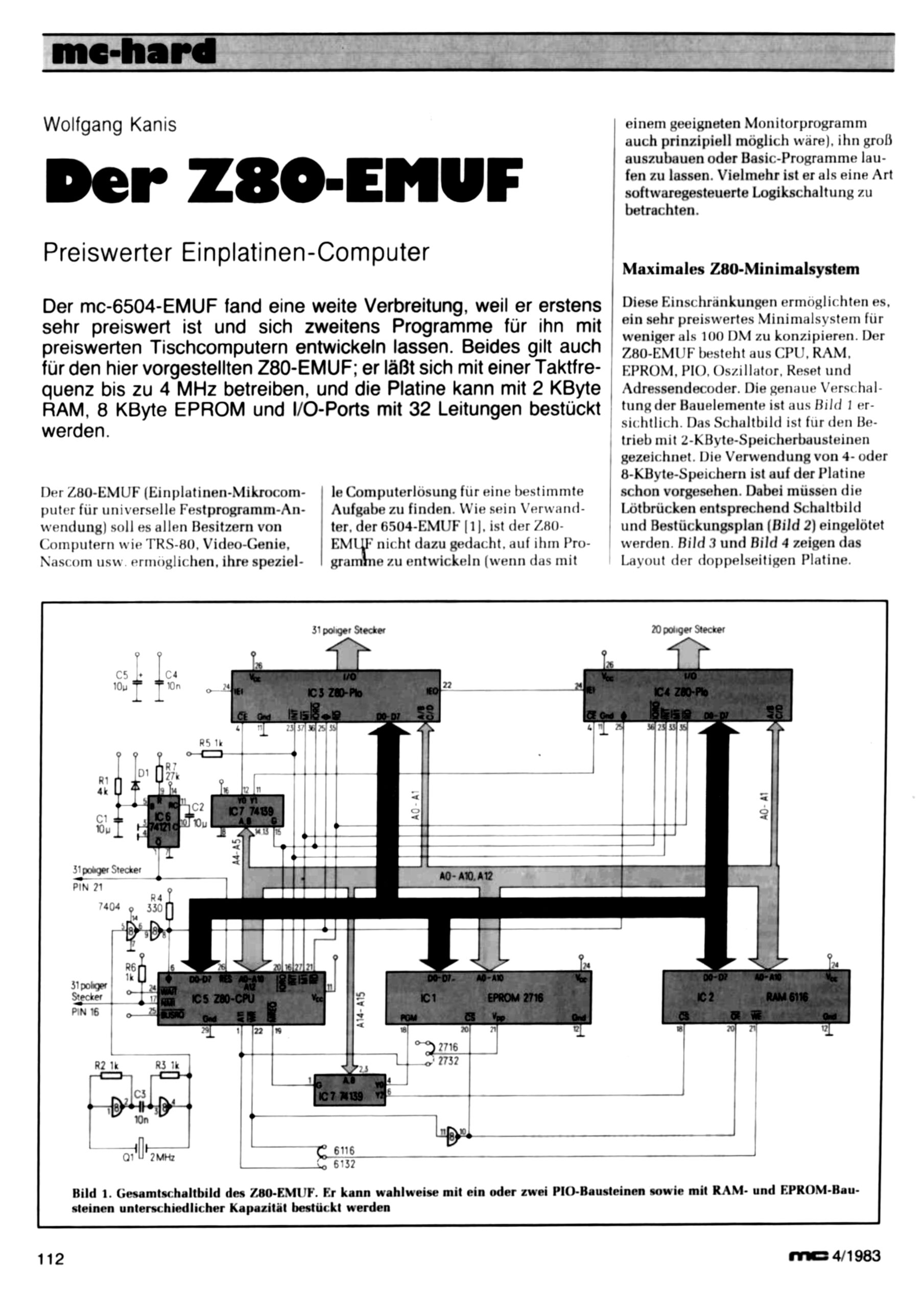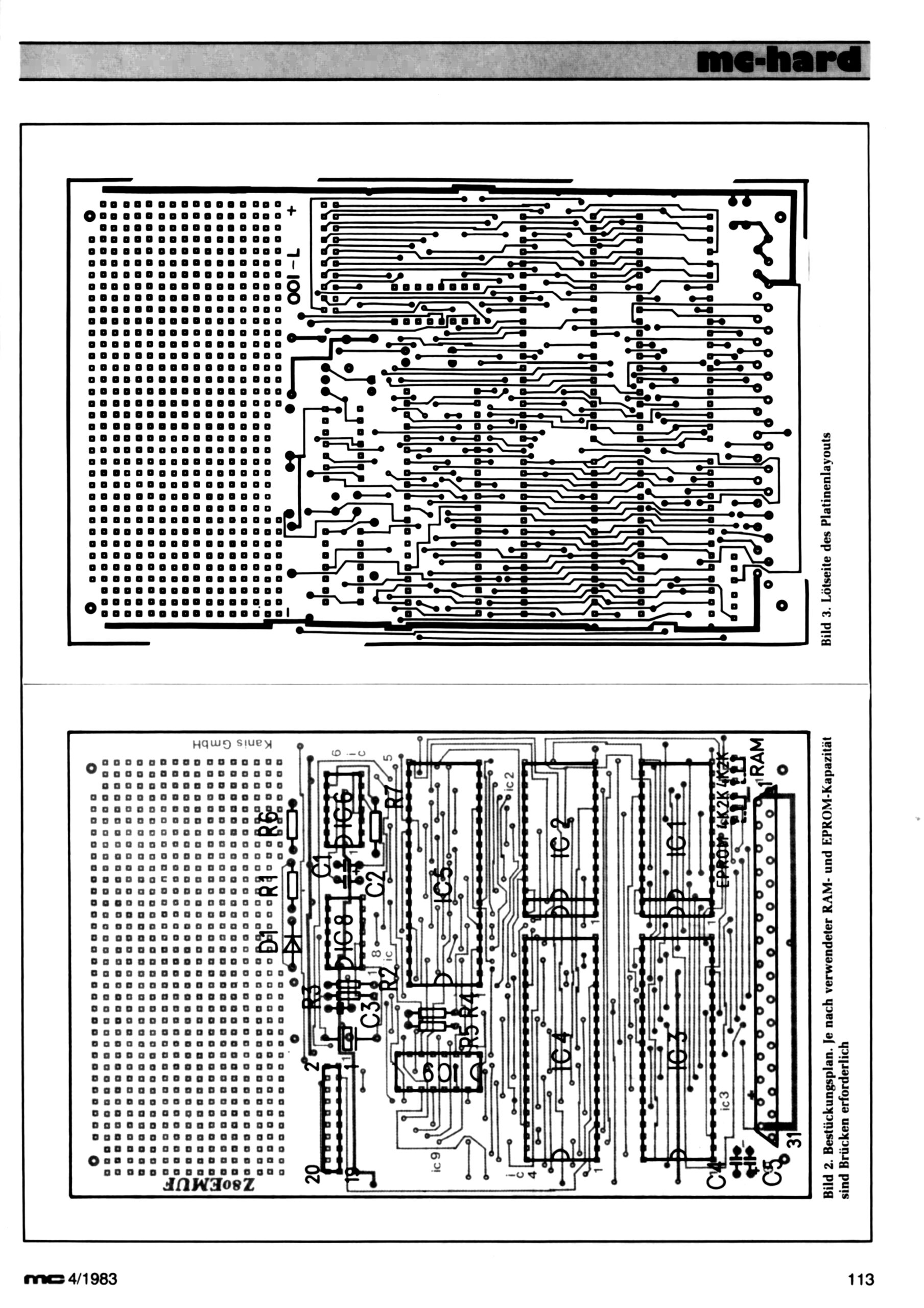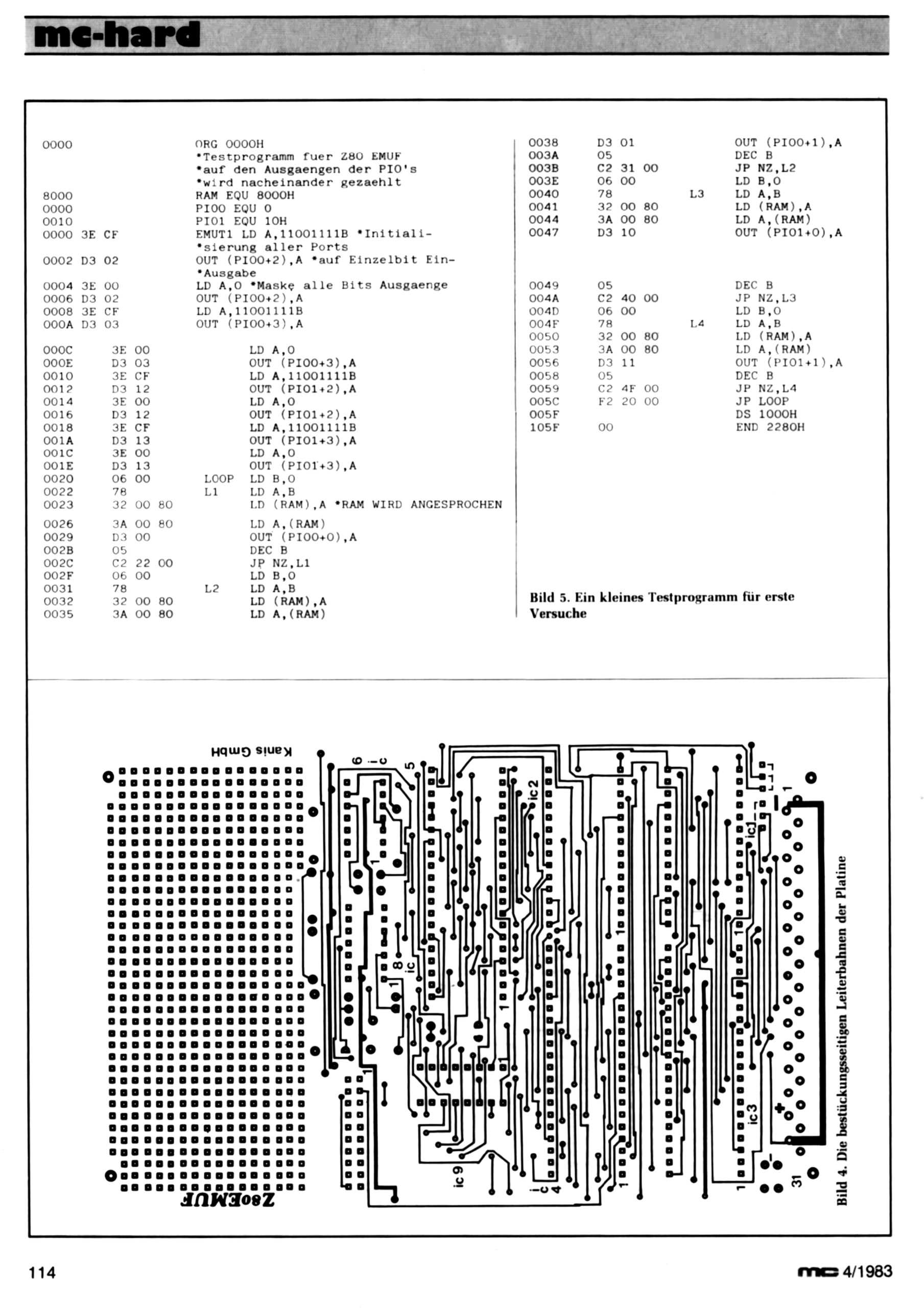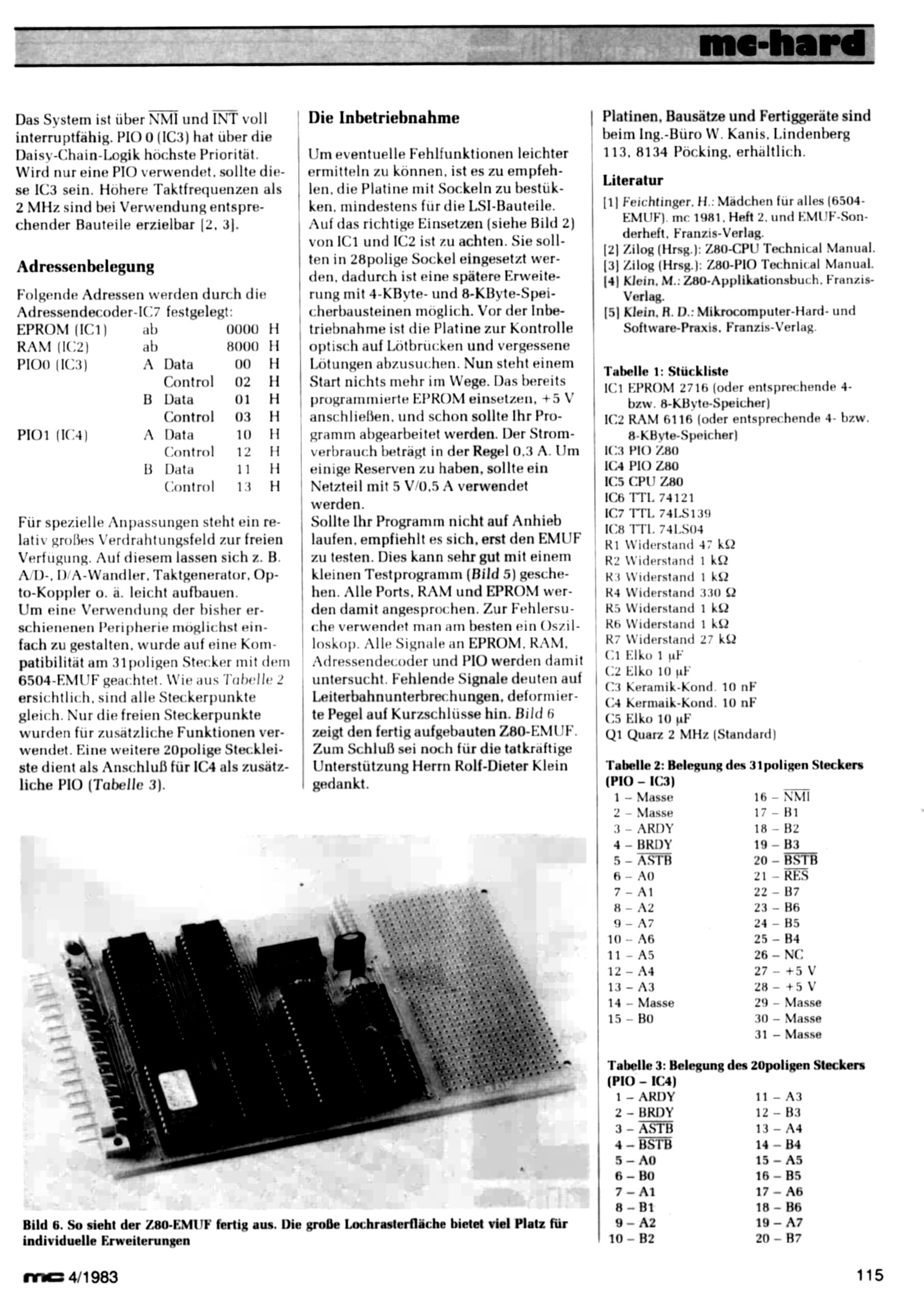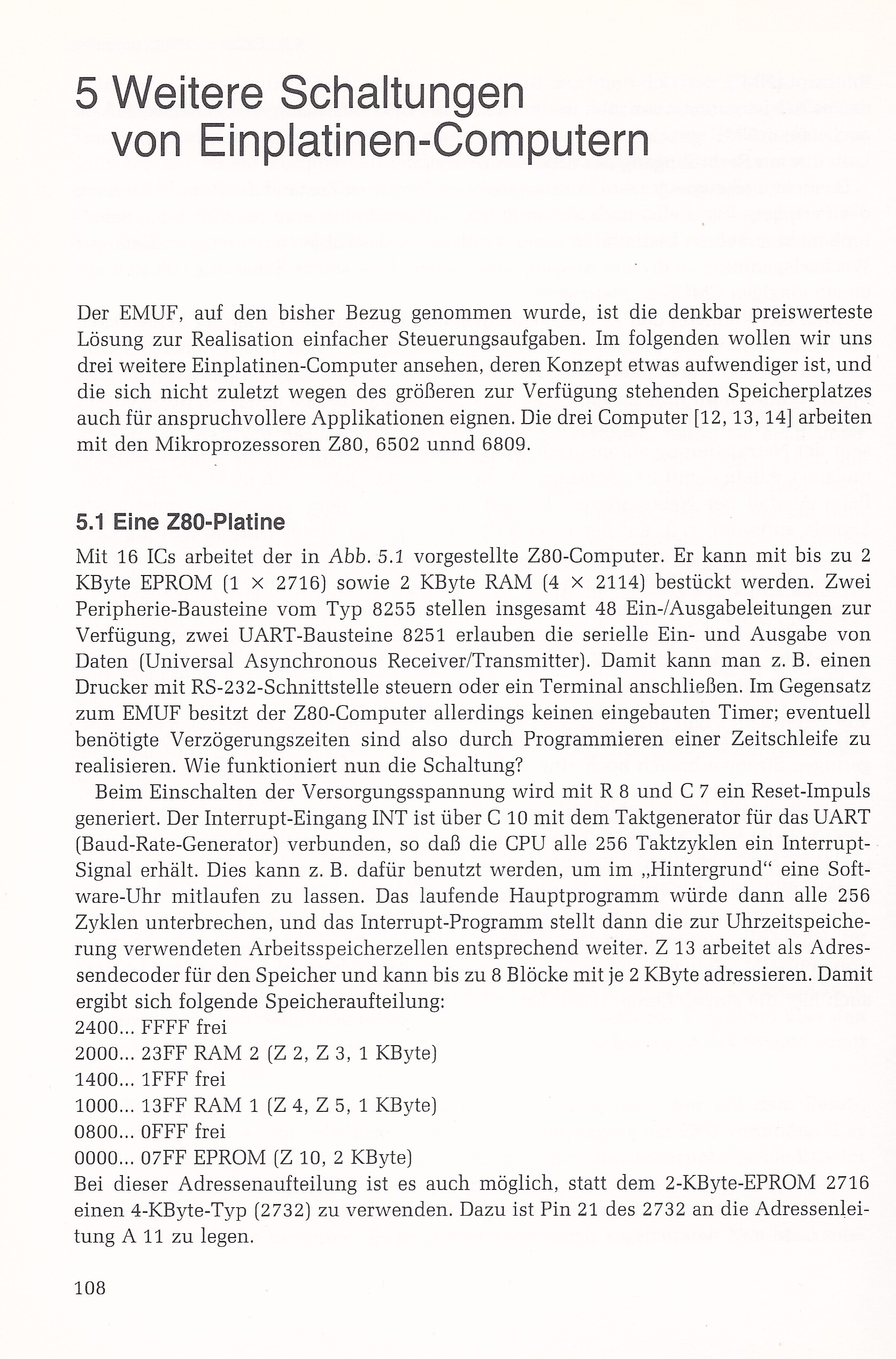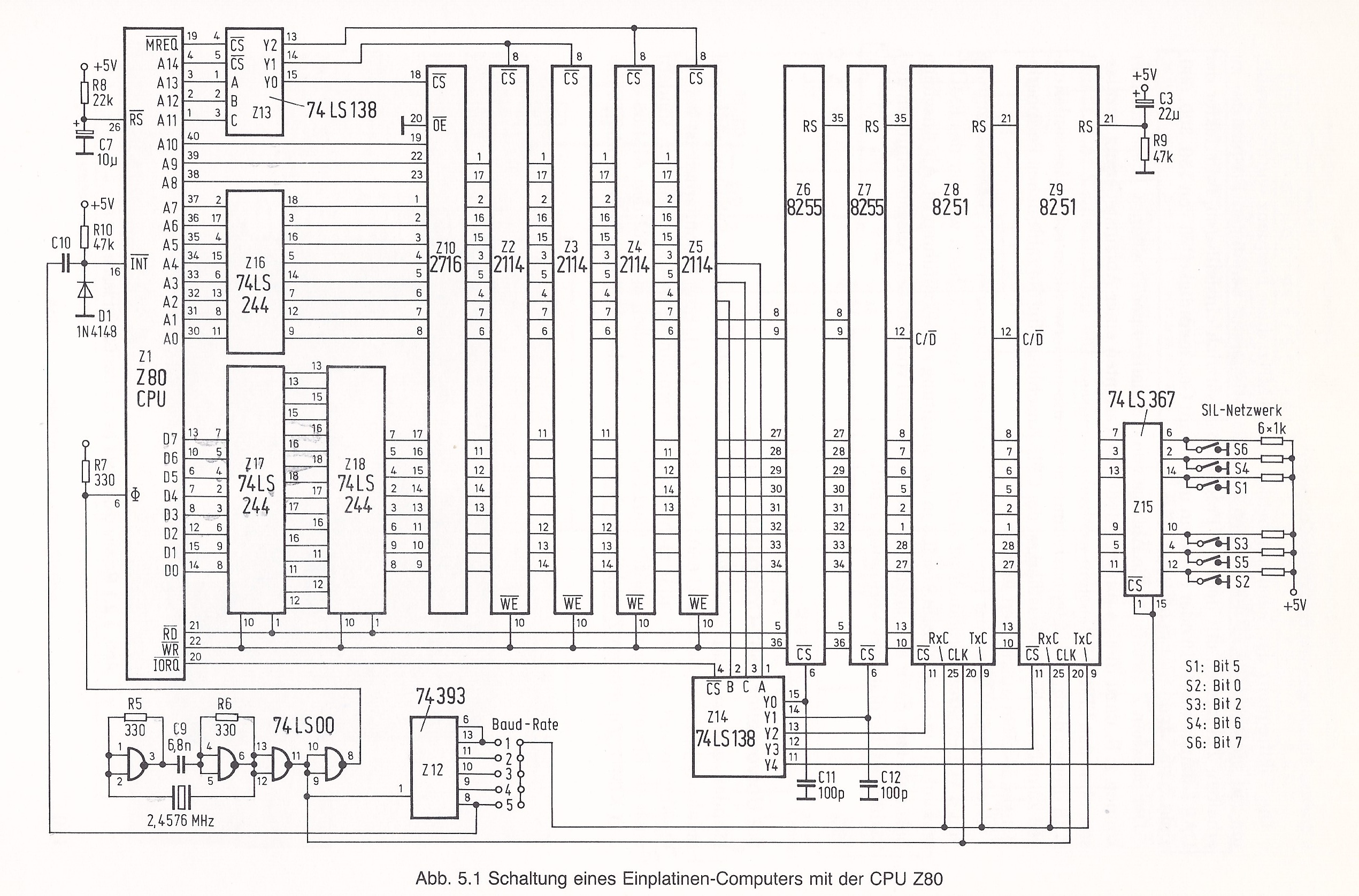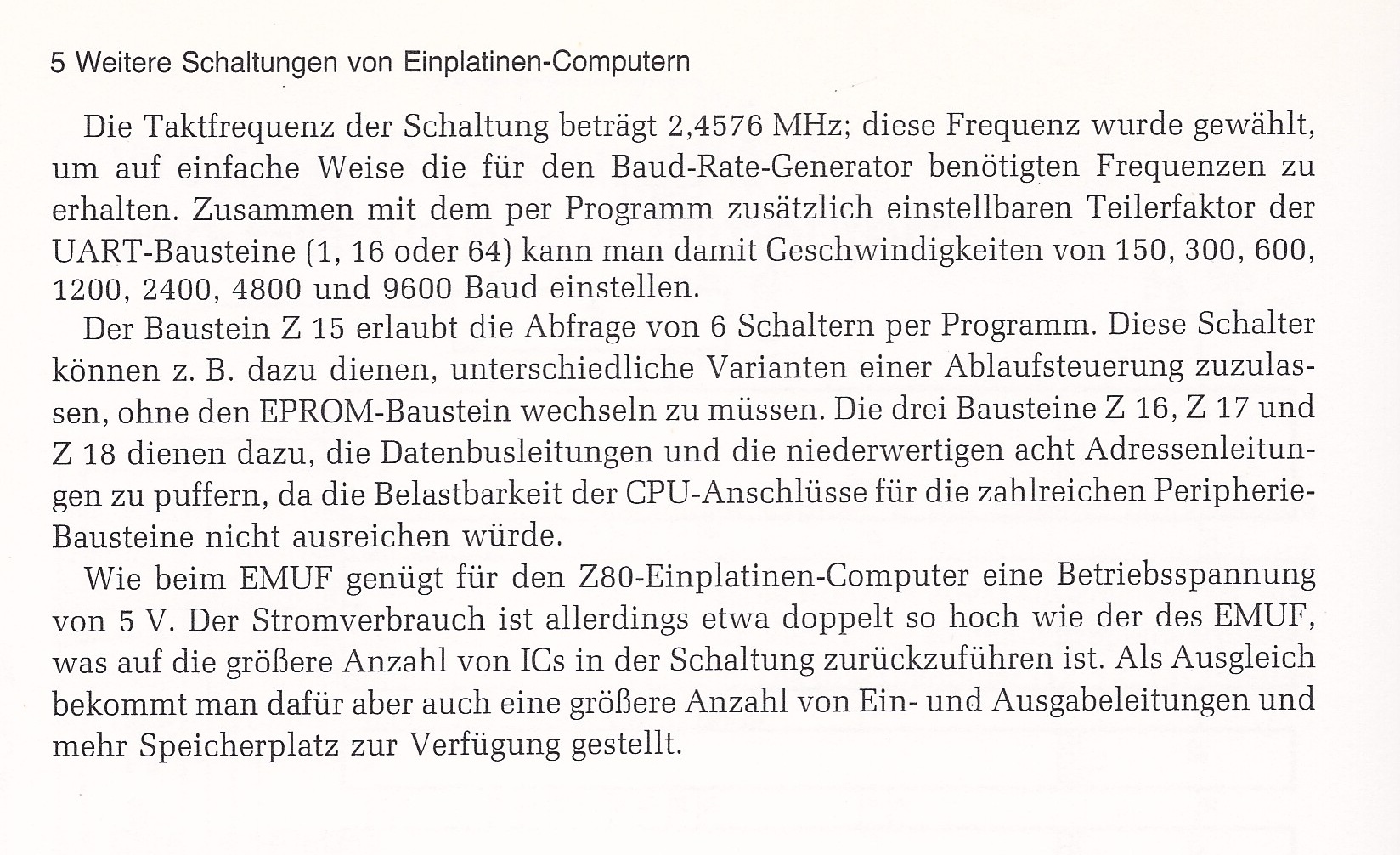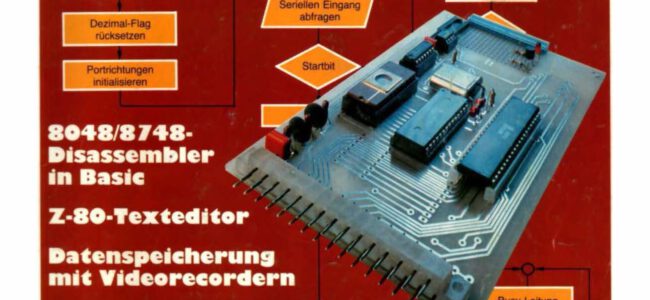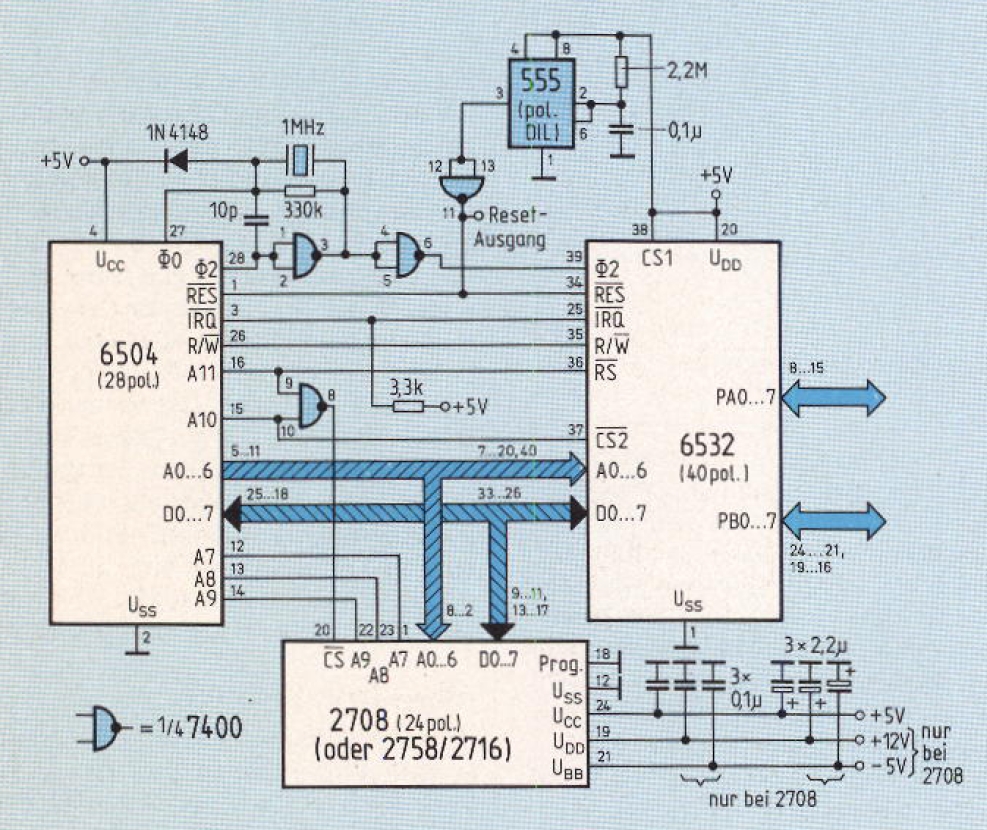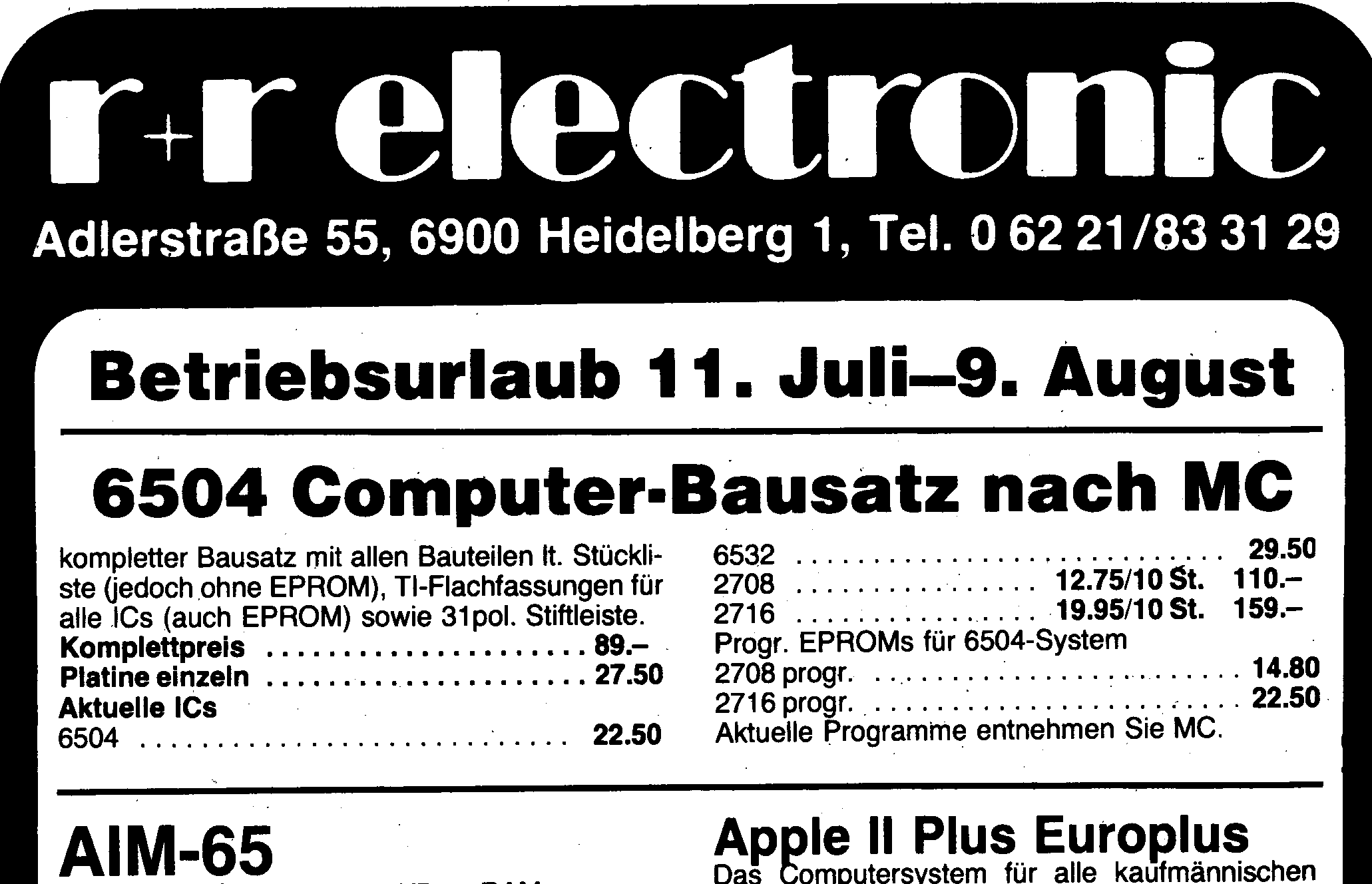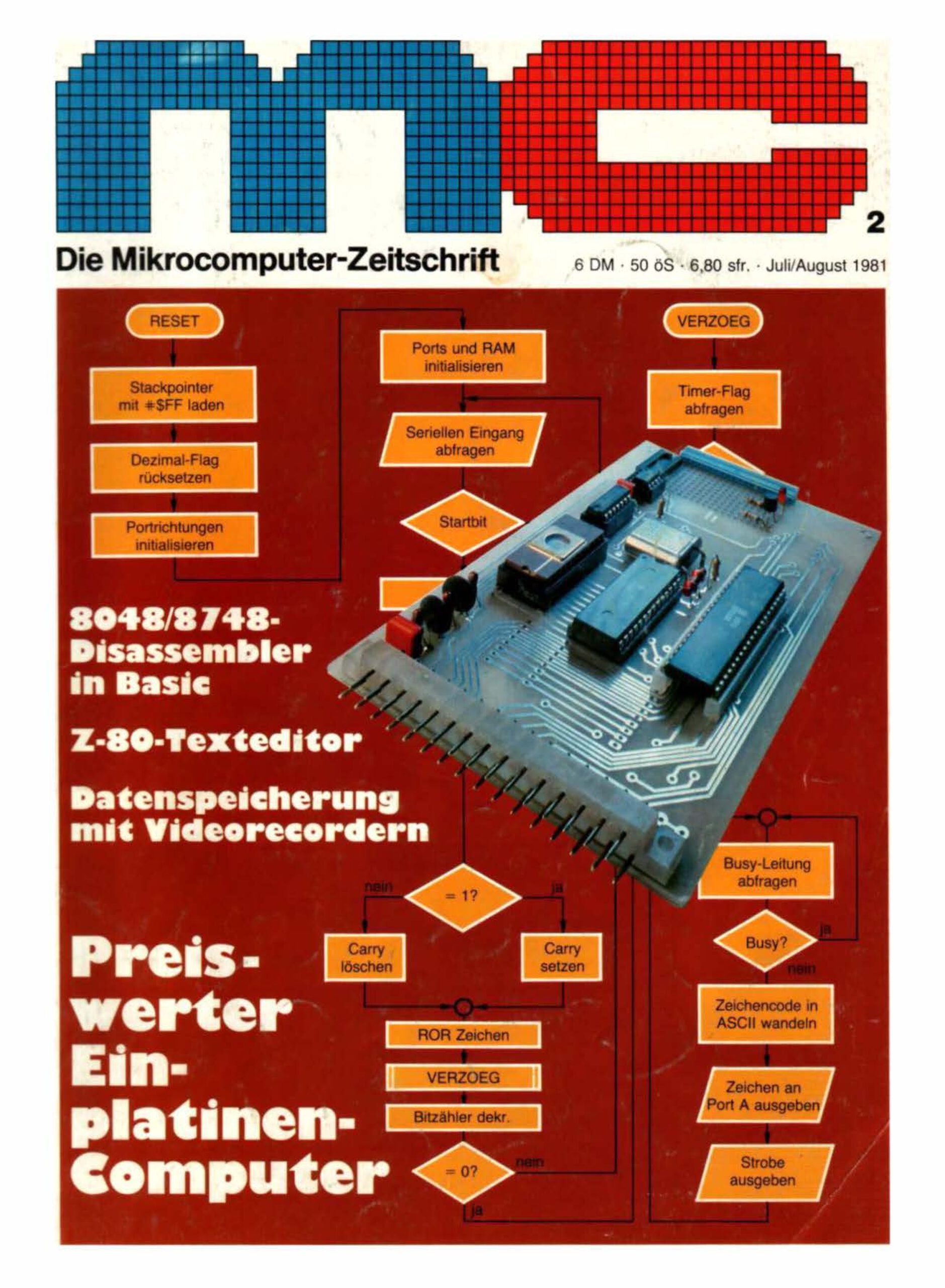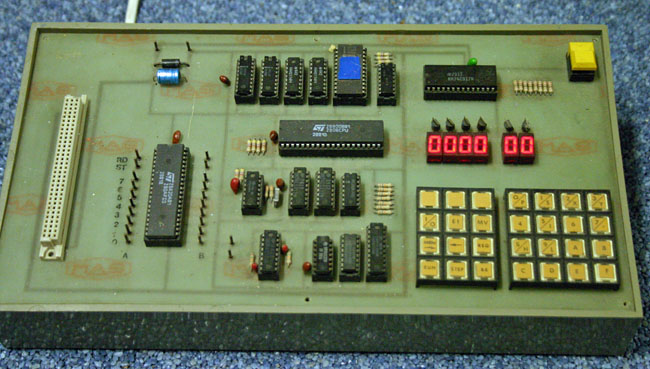
The EMUF pages are a tribute to the work of the editing staff of the German magazine MC Die Mikrocomputer-Zeitschrift on SBC’s.
EMUF stands for Einplatinen-Mikrocomputer für Universelle Festprogrammierung.
EMUFs SBC’s are programmable systems, without a monitor program: write a program and store it in an EPROM and run the application type of system. A bit like the modern microcontrollers like the PIC and AVR IC’s and also a bit like the Arduino’s. But with the technology of the 80ties: 8 bit CPU’s like the 65XX and Z80, I/O IC and EPROM and some RAM.
The first EMUF was published in 1981 in the second edition of the magazine. Later called the EMUF6504, since the CPU is the MOS 6504, a stripped version of the 6502.
Here you find on the following pages information on the EMUF and other SBC’s published in the magazine, Sonderheft and books:


The EMUF pages are a tribute to the work of the editing staff of the German magazine MC Die Mikrocomputer-Zeitschrift on SBC’s.
The EMUF pages are based upon:
– the MC magazine: 1981 – 1987 (see archive.org for scans)
– the EMUF Sonderheft
– the EMUF Sonderheft 2
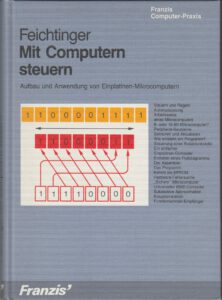
– the book Mit Computern Steuern
From wikipedia.de:
Die Zeitschrift mc war ein von Januar 1981 bis mindestens Oktober 1996 monatlich erscheinendes deutschsprachiges Computermagazin.
„mc“ stand für Mikrocomputer, was sich auch im Untertitel der 1980er-Jahre Die Mikrocomputer-Zeitschrift widerspiegelte. Sie wurde von Herwig Feichtinger mitgegründet, der zunächst auch Chefredakteur war, und kostete zu dieser Zeit 6,00 bis 6,50 DM. Entstanden war die mc aus einer festen Rubrik der Funkschau. Zwischenzeitlich wurde der Untertitel geändert in Computerpraxis für den technischen Anwender, schließlich in Systemübergreifendes, technisch orientiertes Know-how. Mit der Ausgabe Juli 1994 erschien sie nur noch als Beilage zur Zeitschrift DOS International, hatte aber immer noch einen Umfang von etwa 45 Seiten. 1992 bis 1993 erschienen insgesamt fünf Sonderhefte mit dem Titel WINbox. Spezial-Magazin für Windows-Anwender.
Redakteur und später Chefredakteur der Zeitschrift mc war Ulrich Rohde, welcher 1983 auch den WDR Computerclub mitbegründete. Herausgegeben wurde die MC anfangs vom Franzis-Verlag, ab Juli 1994 in Form einer Heftbeilage vom DMV Verlag als mc extra.
Die MC befasste sich mit Computerthemen, Netzwerken, Hardware, Datenbanken sowie Programmierung. In den letzten Ausgaben gab es die Rubriken „Grundlagen“, „Programmieren“, „Technologie-Report“ und „Test“, in denen Beiträge als Einführungen bzw. Zusammenfassungen zum jeweiligen Thema im Stil wissenschaftlicher Fachblätter geschrieben wurden. Die Redaktion war mit Naturwissenschaftlern besetzt.
Eines der bekanntesten Projekte der Zeitschrift war ein auf dem Mikroprozessor 6504 basierender Einplatinencomputer namens EMUF.


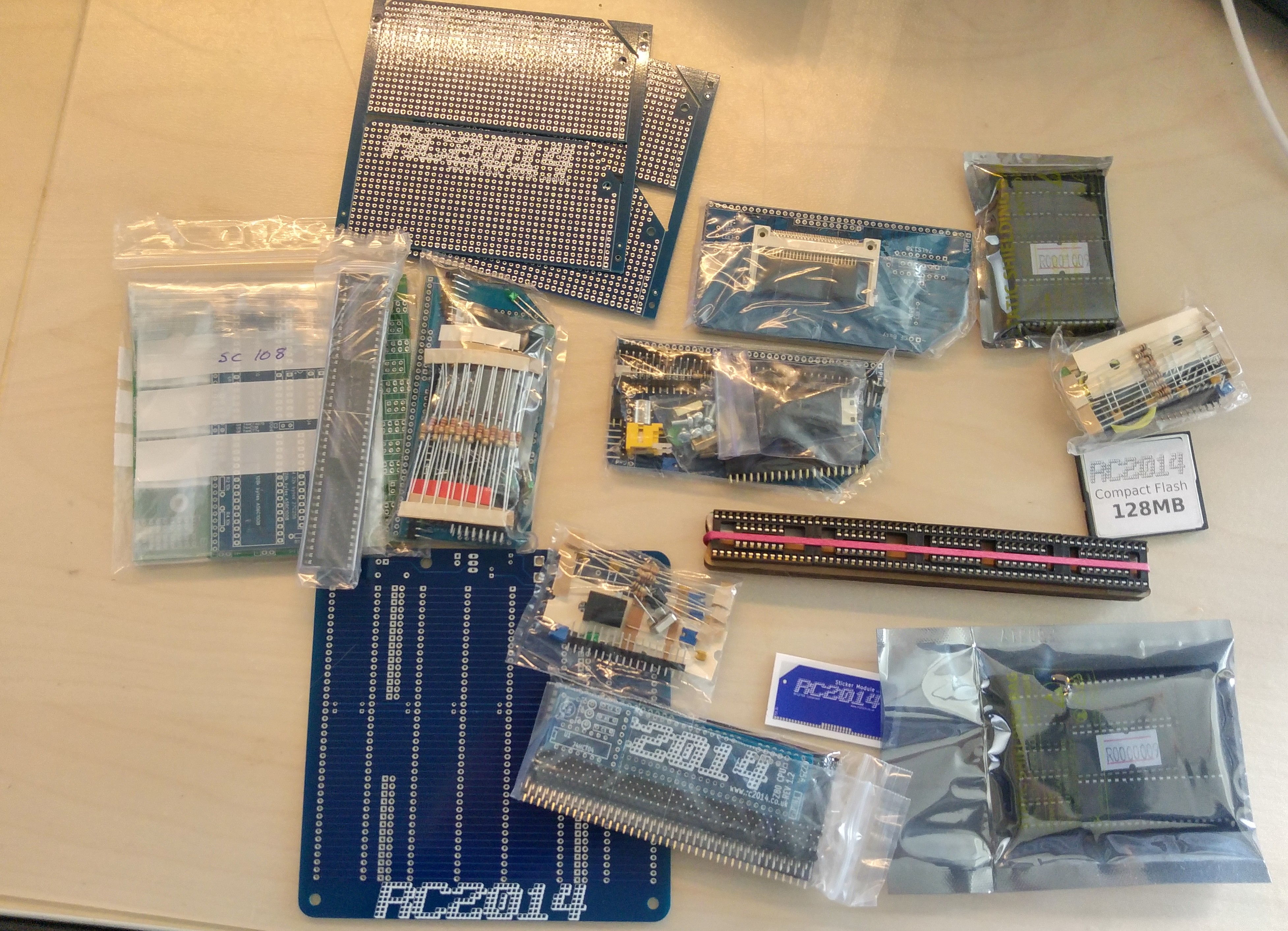
I could not resist the black friday actions on the RC2014 system.
So I ordered the RC2014 basic kit, the PRO enhancement, experimenters cards and some backplanes and cards from Stephen Cousins.
Not only for the Z80 and CP/M (long time since I had a physical operational CP/M system, the SVI.738 Spectravideo Xpress!) but also for a 6502 system.
I found an interesting project for this: A 6502 CPU for RC2014
Here is another 6502 on RC2014 project My6502

See also:
PROTON Electronics: PC-1, CB80, PIM-1
PROTON Electronics, a small company from Naarden the Netherlands, led by James Post, and A.J. Kool as technical manager,...
PAL-2
4 february 2025 2025 I have built the PAl-2 kit, now designing and building a I/O card.
This information is based upon ...
John Bell PN 80-Z80
Z80 Microcomputer PN 80-Z80
PCB images by Gledn Deas, thanks!
PC Tools
Updated December 2020, Linux compilation checked, bugs fixed, online program for comverting binary to wave file.
To a...
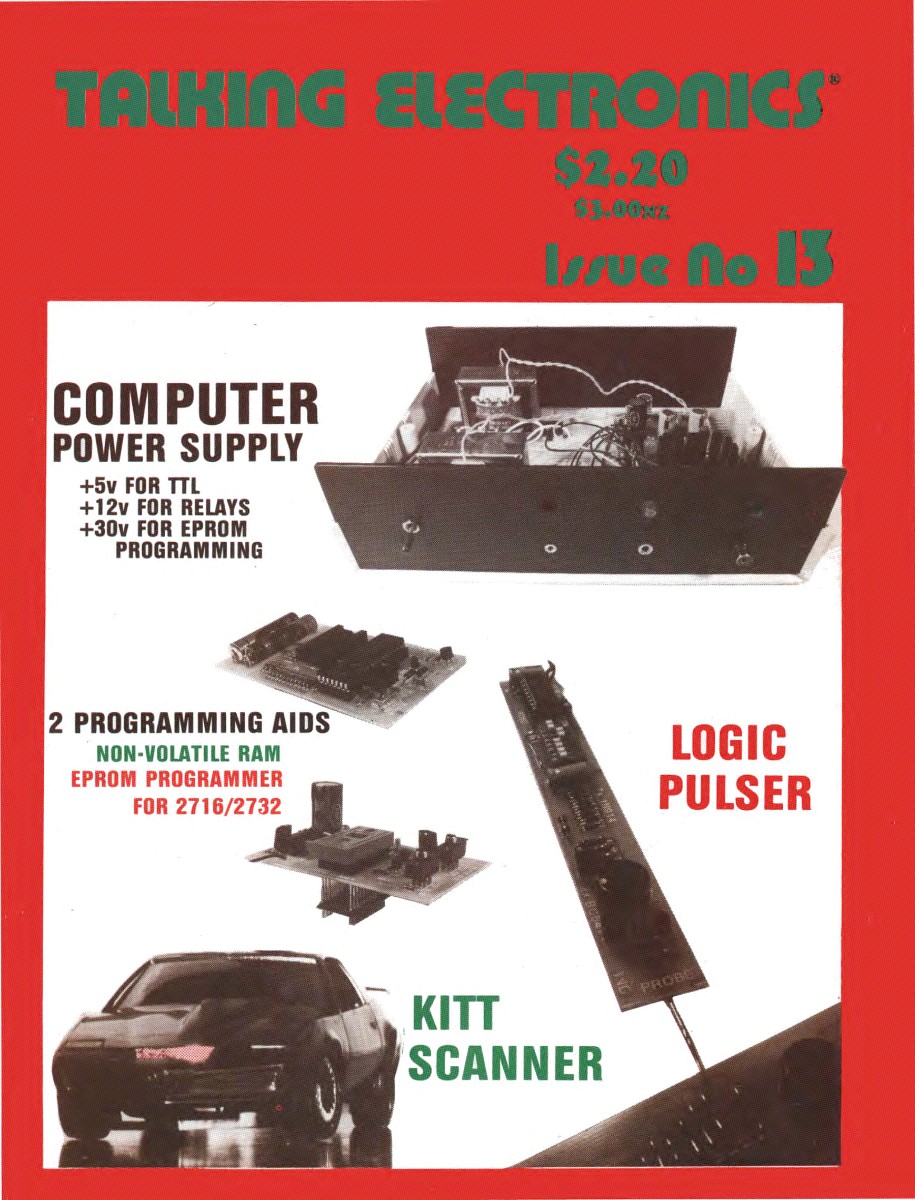
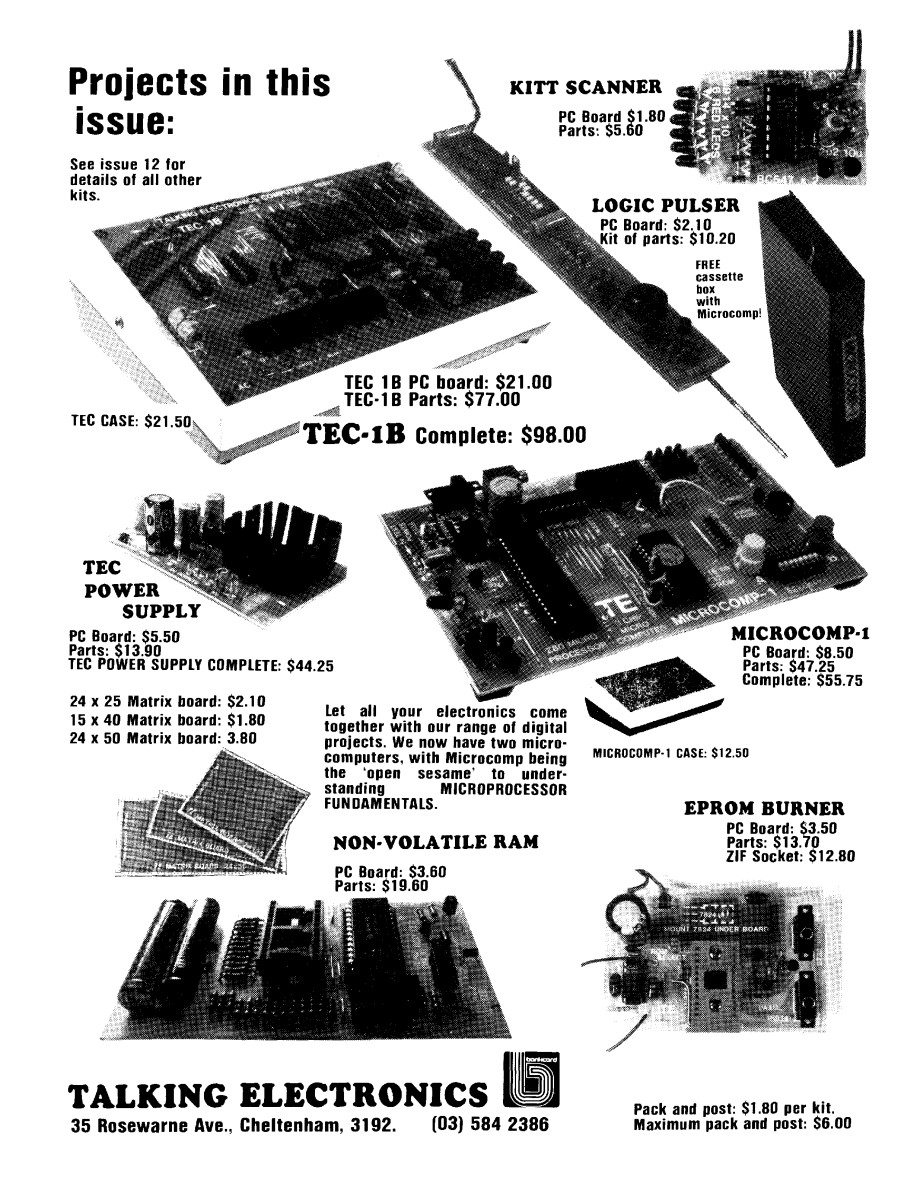
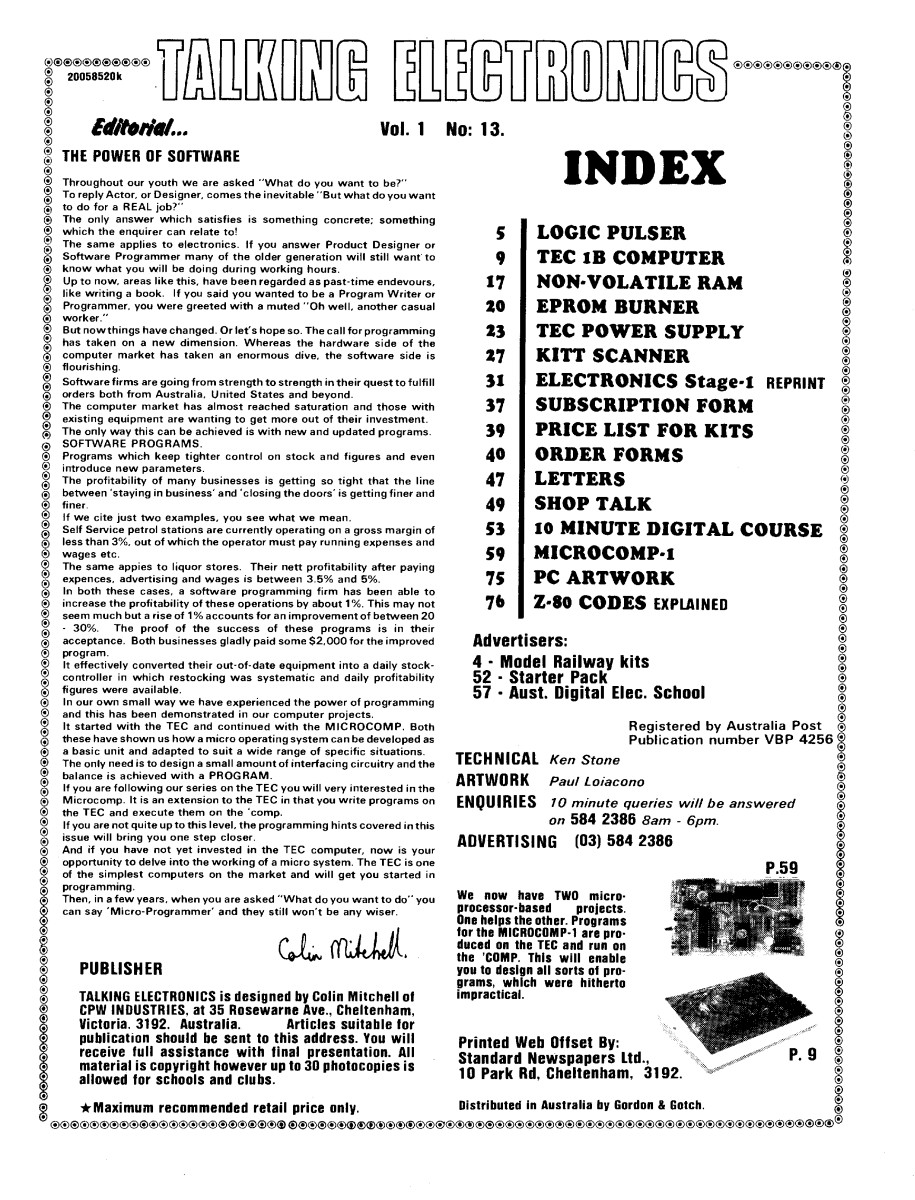
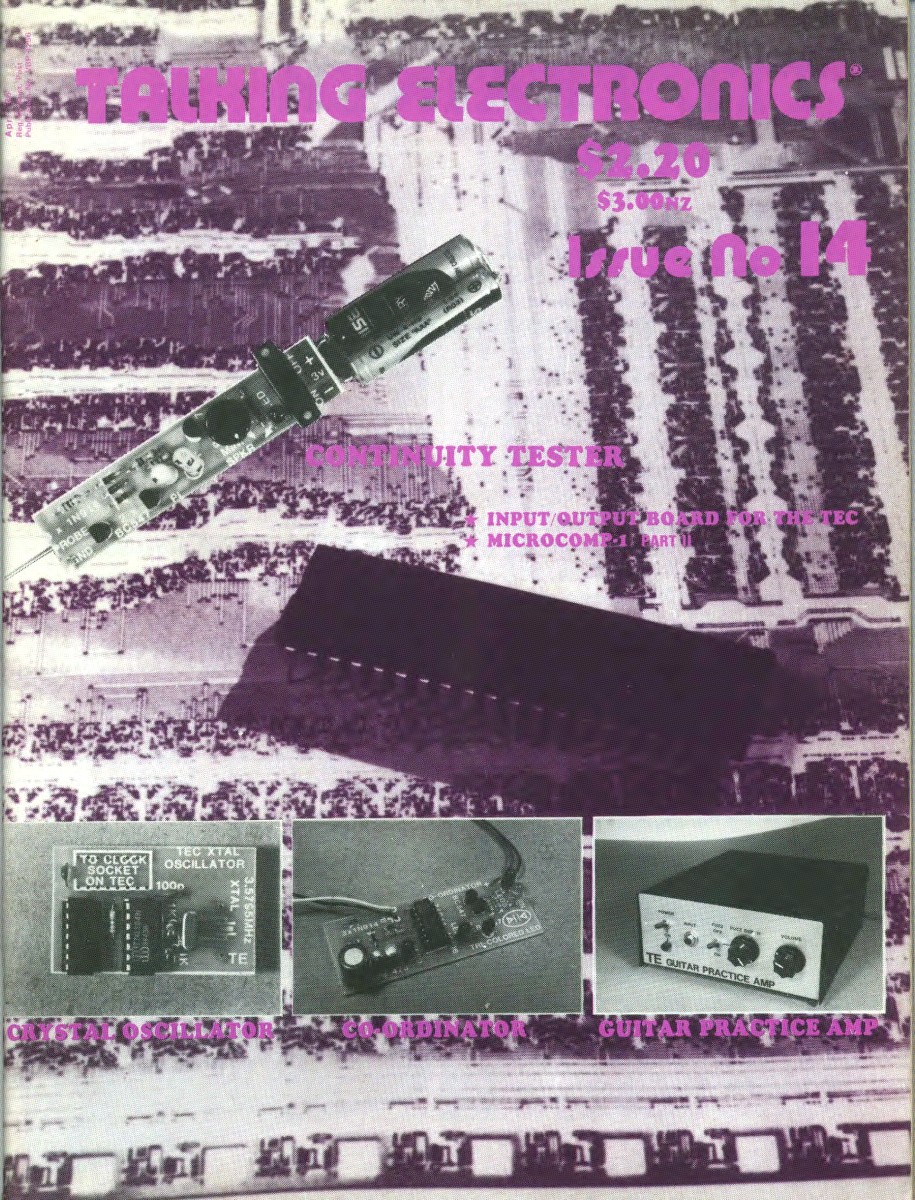
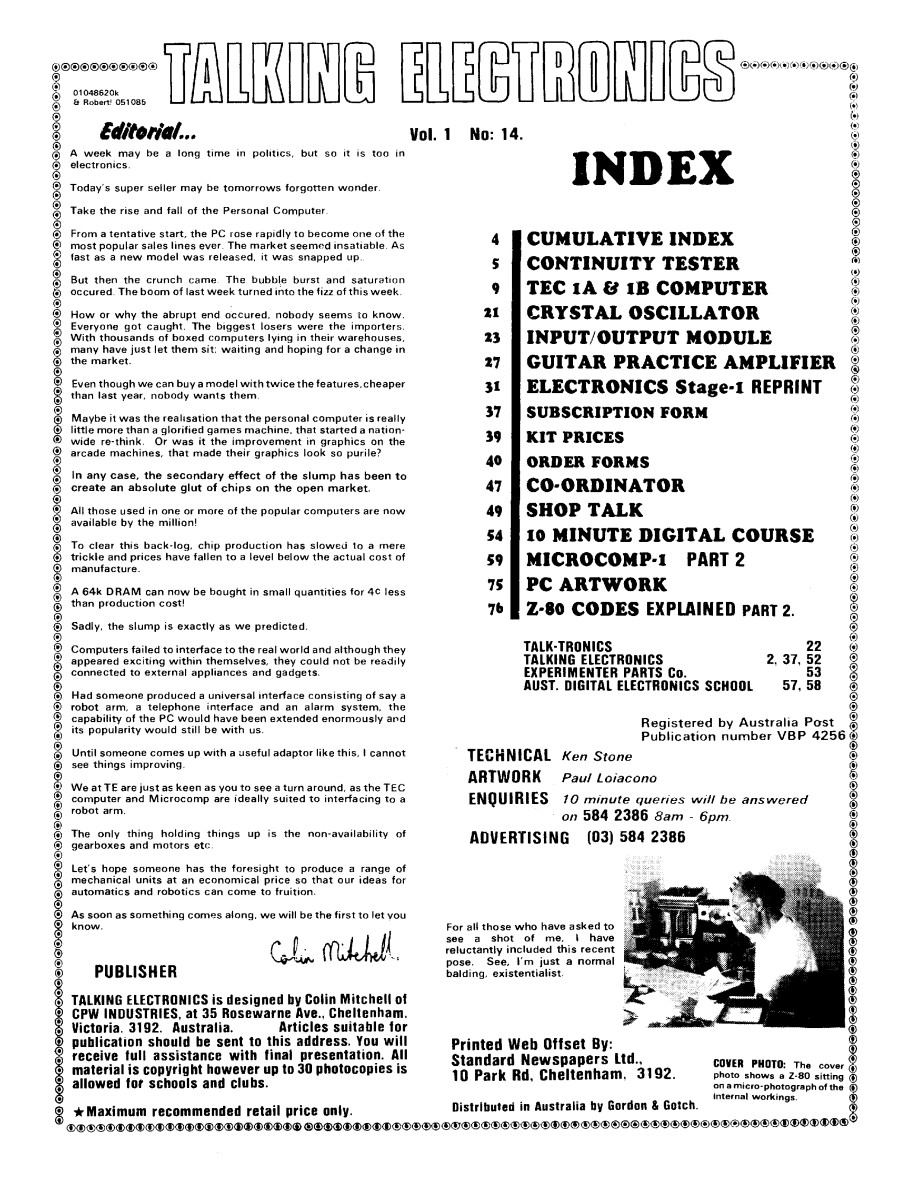
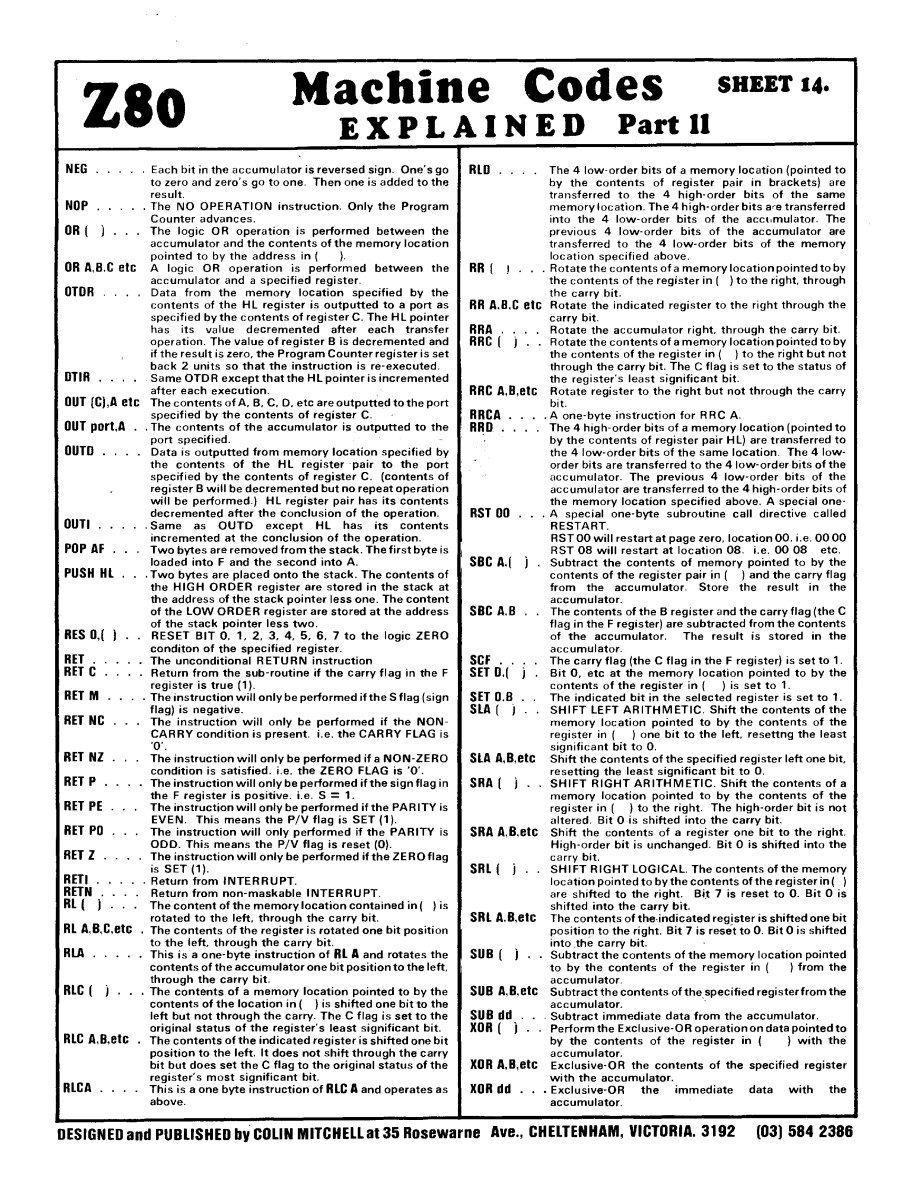
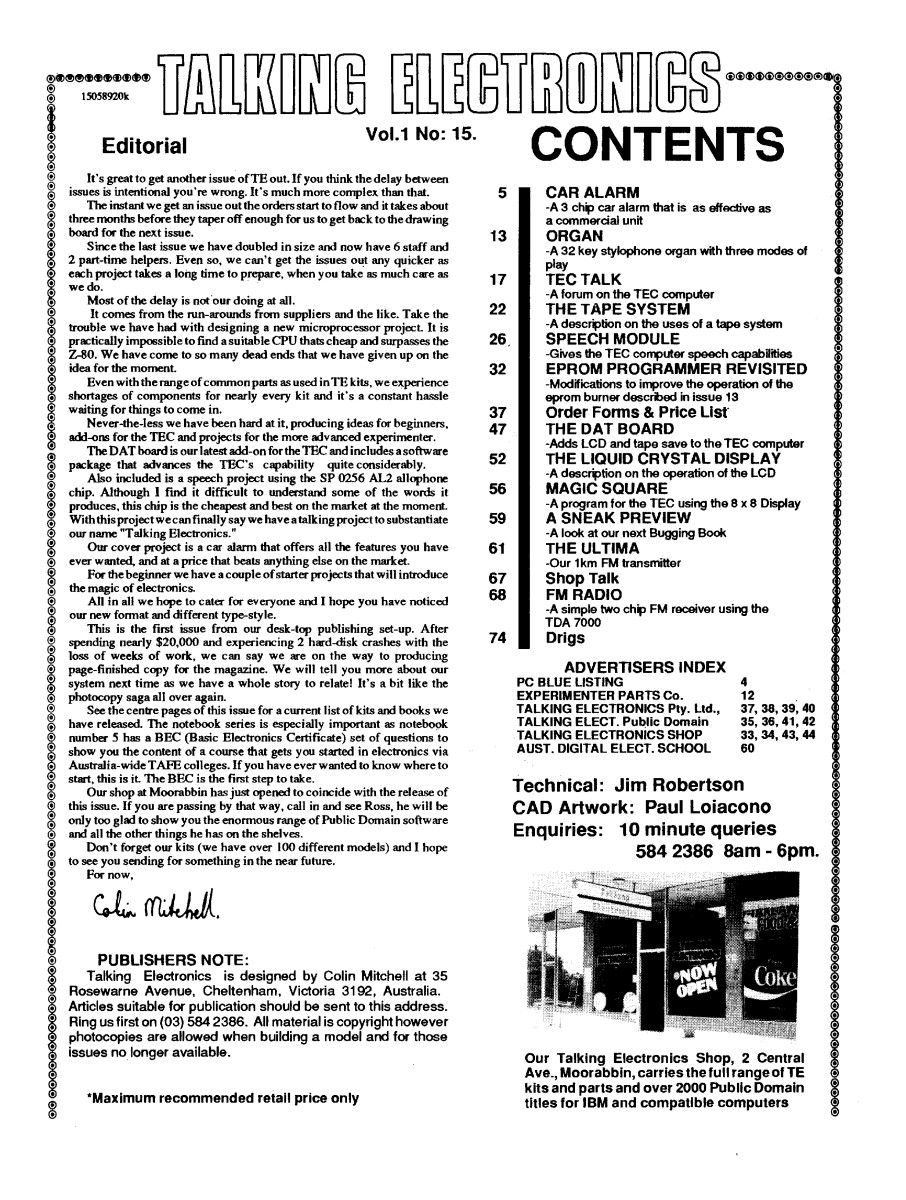
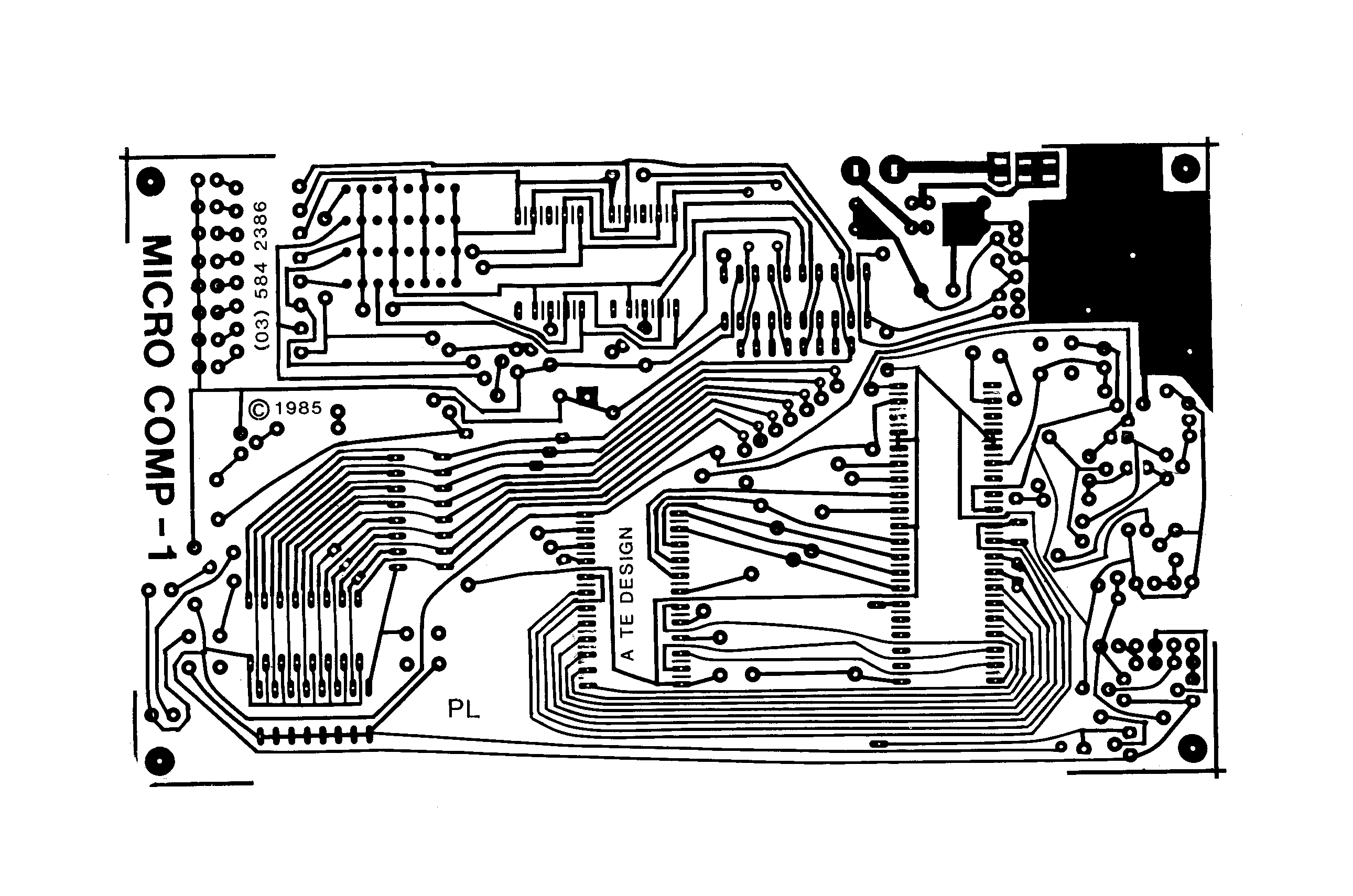
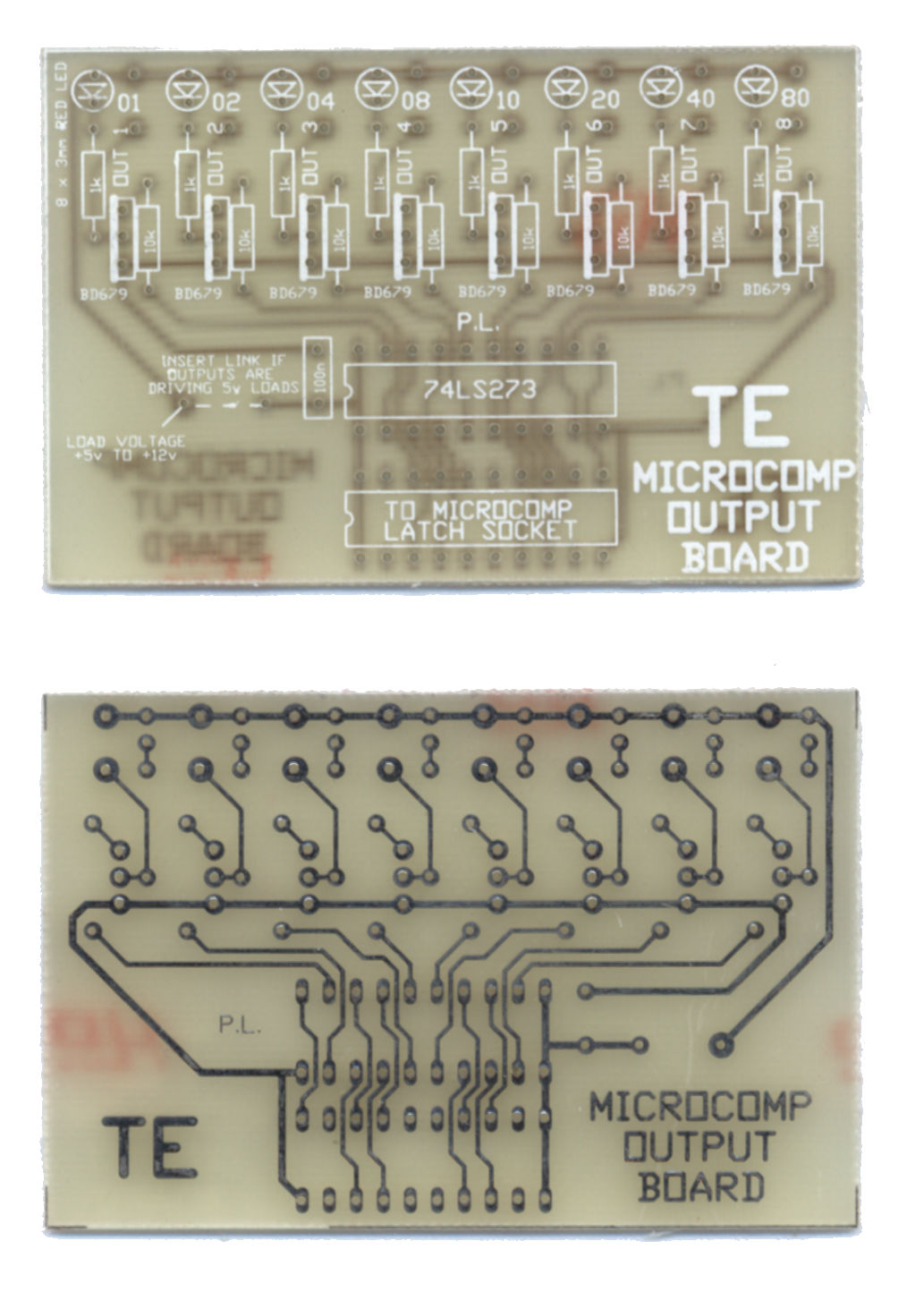
A second Z80 system, with a minimum on parts: the Microcomp. Published in issue 13 and 14.
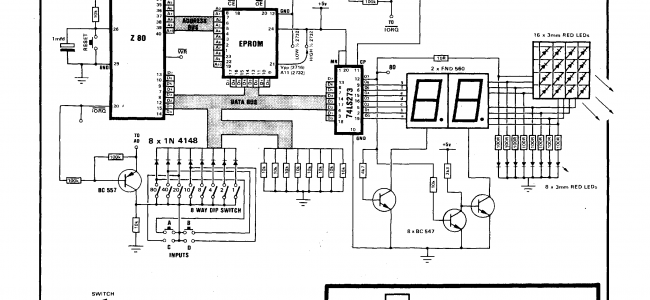
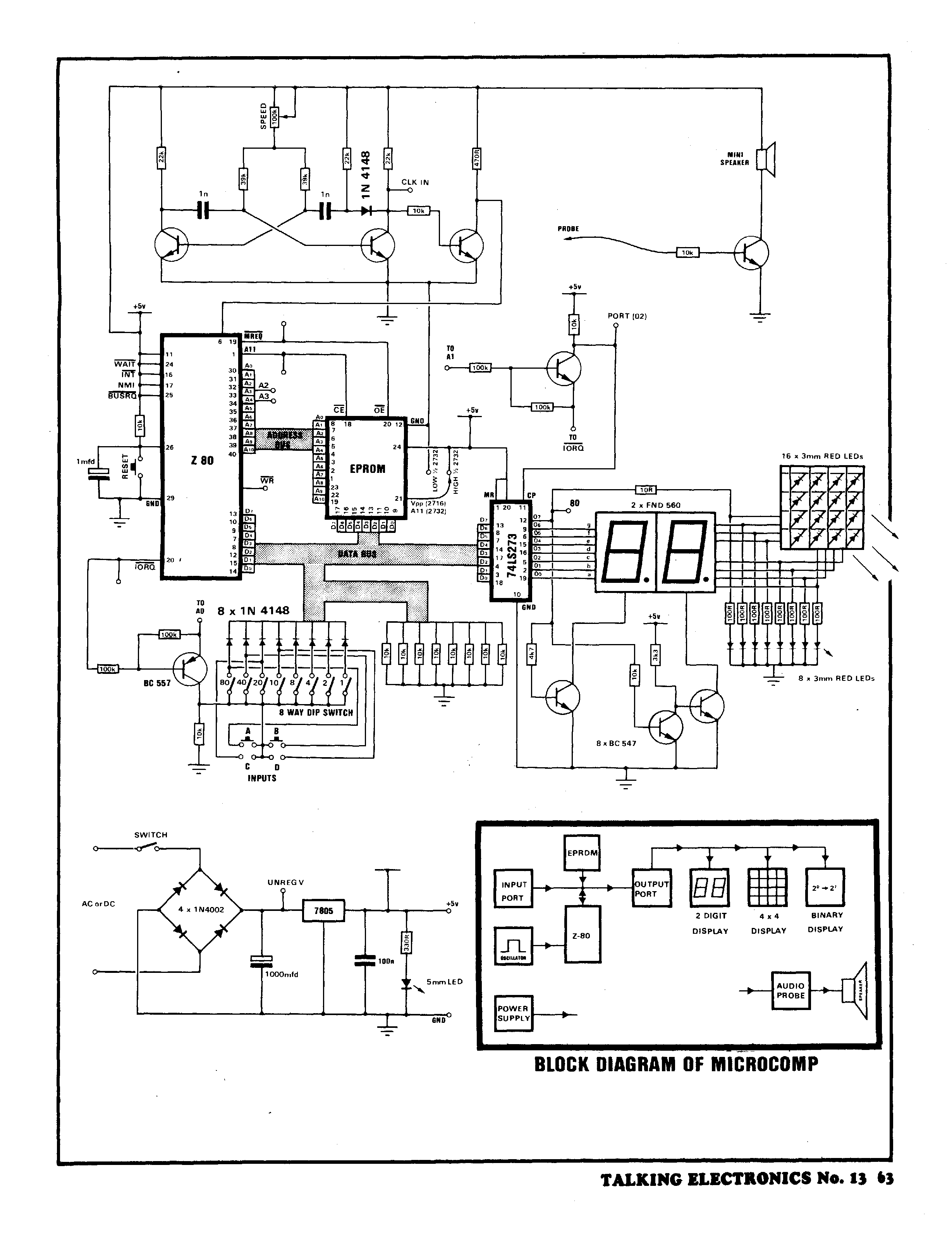
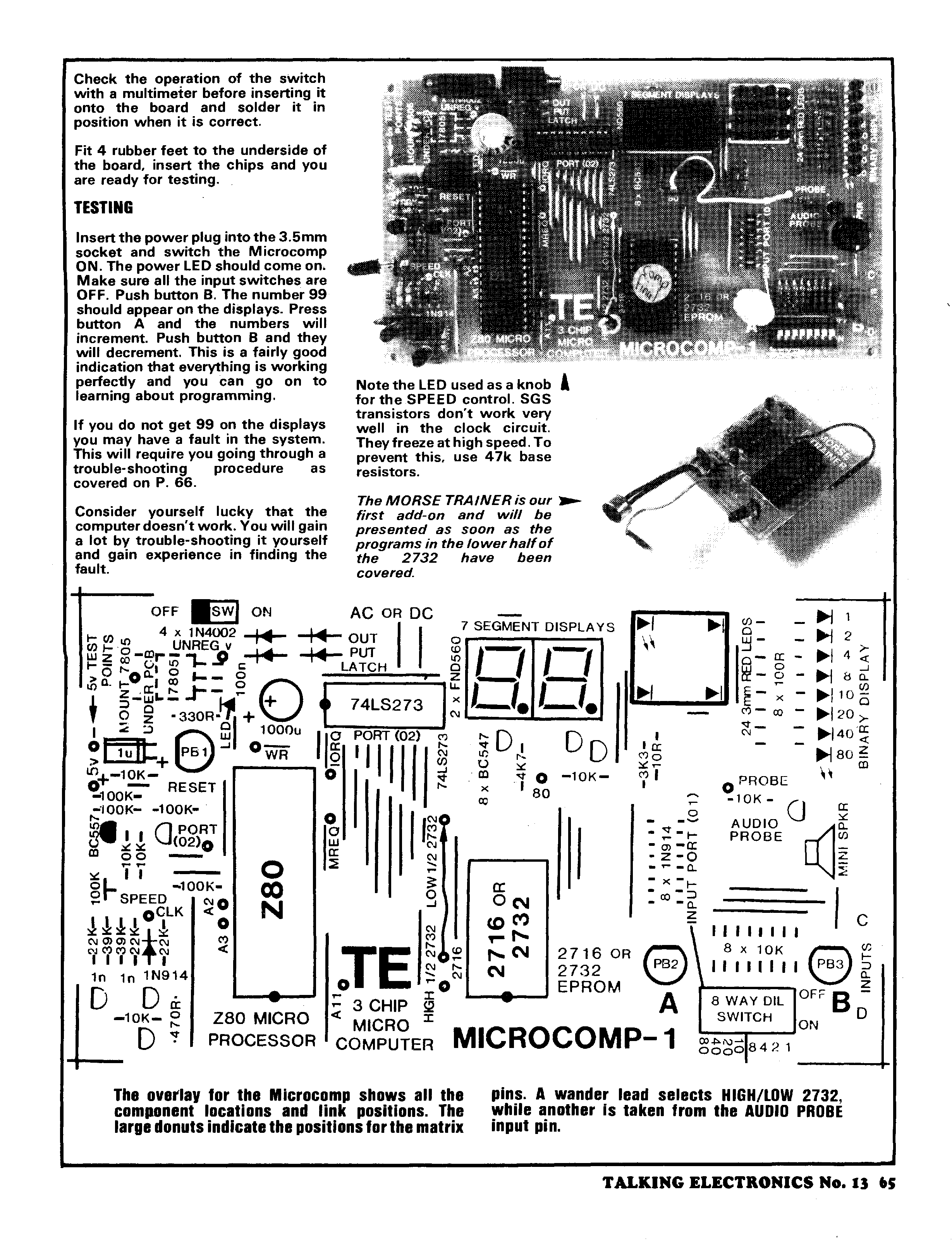
This is a 3-chip computer capable of input and displaying data on a display. Z80 CPU, 2732 EPROM, latch 74LS273, 2 seven segment displays, 24 LED’s, DIP switch mini speaker. No RAM!


TE Microcomp master ROM binary
TE Microcomp 1 ROM binary
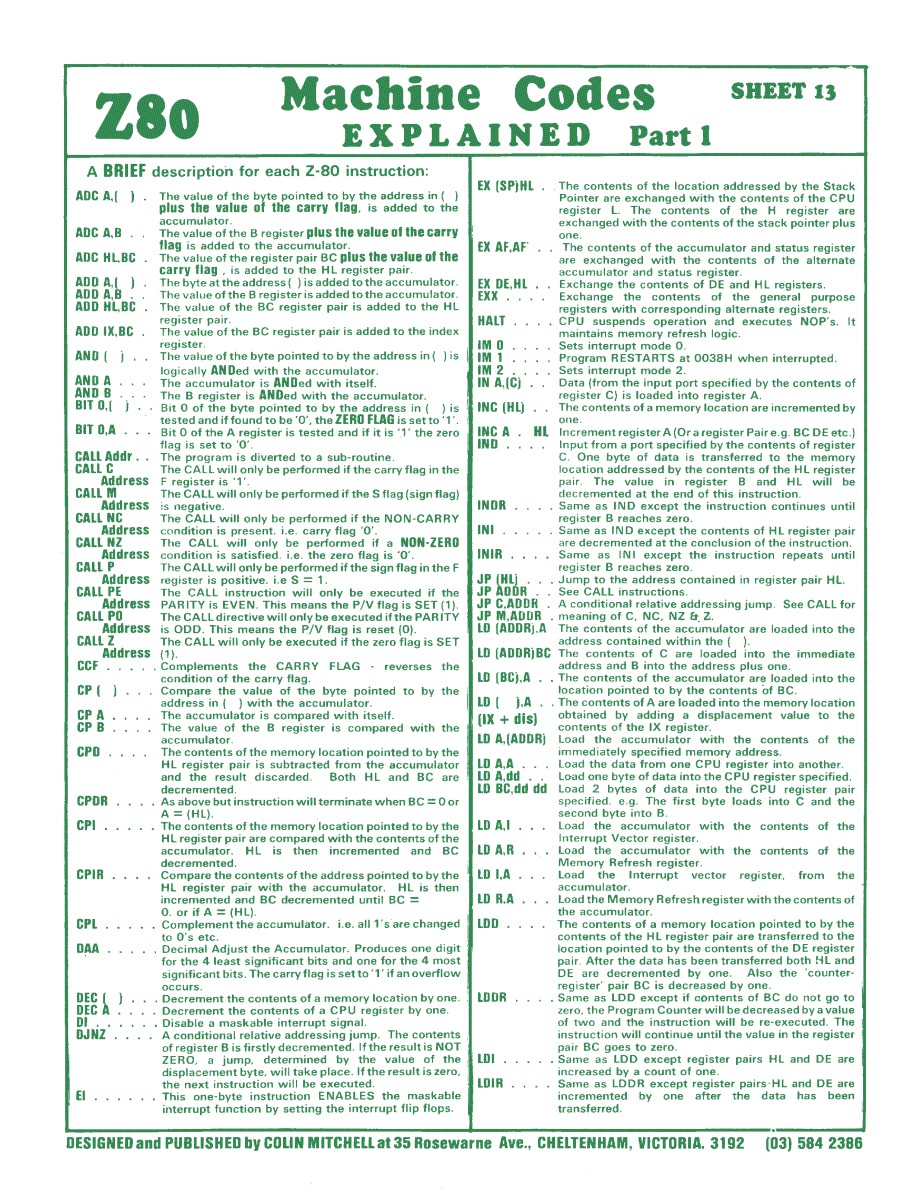
All the pages of the Talking Electronics issue 13 and 14 in PDF format
See also:
PROTON Electronics: PC-1, CB80, PIM-1
PROTON Electronics, a small company from Naarden the Netherlands, led by James Post, and A.J. Kool as technical manager,...
PAL-2
4 february 2025 2025 I have built the PAl-2 kit, now designing and building a I/O card.
This information is based upon ...
John Bell PN 80-Z80
Z80 Microcomputer PN 80-Z80
PCB images by Gledn Deas, thanks!
PC Tools
Updated December 2020, Linux compilation checked, bugs fixed, online program for comverting binary to wave file.
To a...
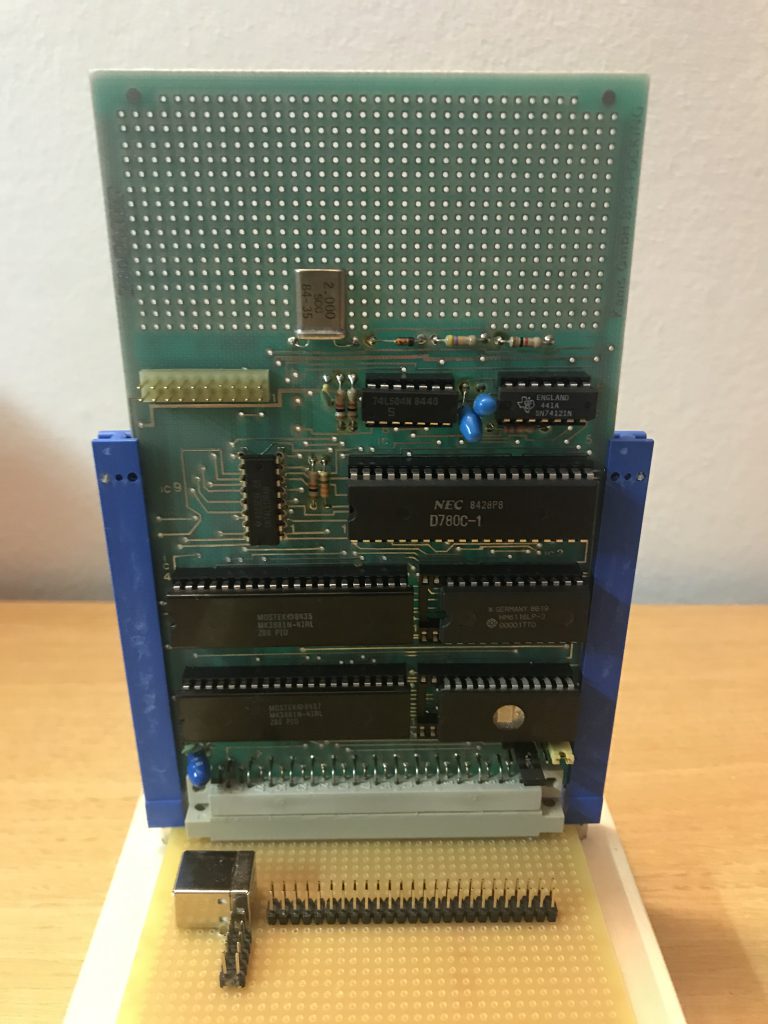
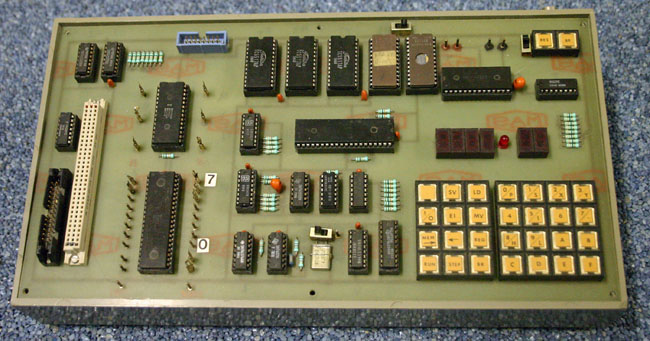
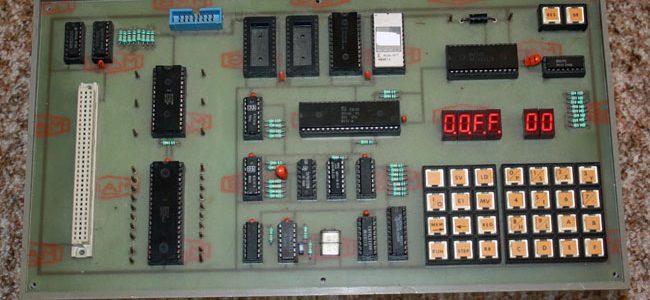
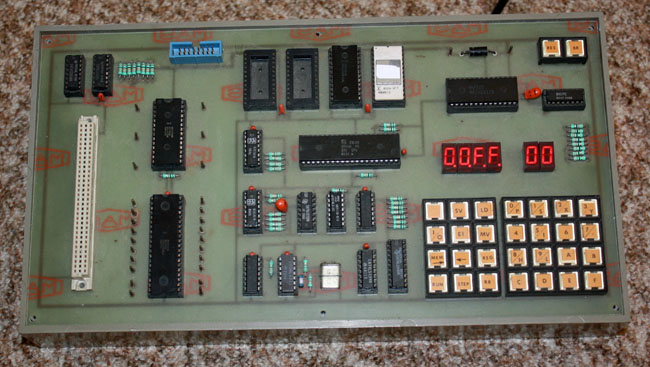
This Z80 development kit was given to me several years ago, without any documentation or information about the origin.
Here are the photos of the system I once had.


Roland Lokker has two systems. The following photo shows a kit he acquired, a bit simpler and presumably from a previous course year.

The next photo shows the system Roland built himself during the course. Nearly identical to my system, with some enhancements (like the slide switches and the extra connector on the left side).

This Z80 development kit was built by students in the first two weeks of a course about working with microprocessors. The courses were delivered in Rotterdam during the early 1980’s and lasted a year. The system was designed by the teacher, and about 20 students each year used the system, after completing the build, to write programs and do experiments. No assembler was used, no mass storage available in the beginning.
No manual exists, only a handwritten listing of the monitor program.
Scan of the handwritten! monitor program (scanned by Ronald Lokker)
The monitor read out of the EPROM (1K, in a 2716 EPROM).
See also:
PROTON Electronics: PC-1, CB80, PIM-1
PROTON Electronics, a small company from Naarden the Netherlands, led by James Post, and A.J. Kool as technical manager,...
PAL-2
4 february 2025 2025 I have built the PAl-2 kit, now designing and building a I/O card.
This information is based upon ...
John Bell PN 80-Z80
Z80 Microcomputer PN 80-Z80
PCB images by Gledn Deas, thanks!
PC Tools
Updated December 2020, Linux compilation checked, bugs fixed, online program for comverting binary to wave file.
To a...
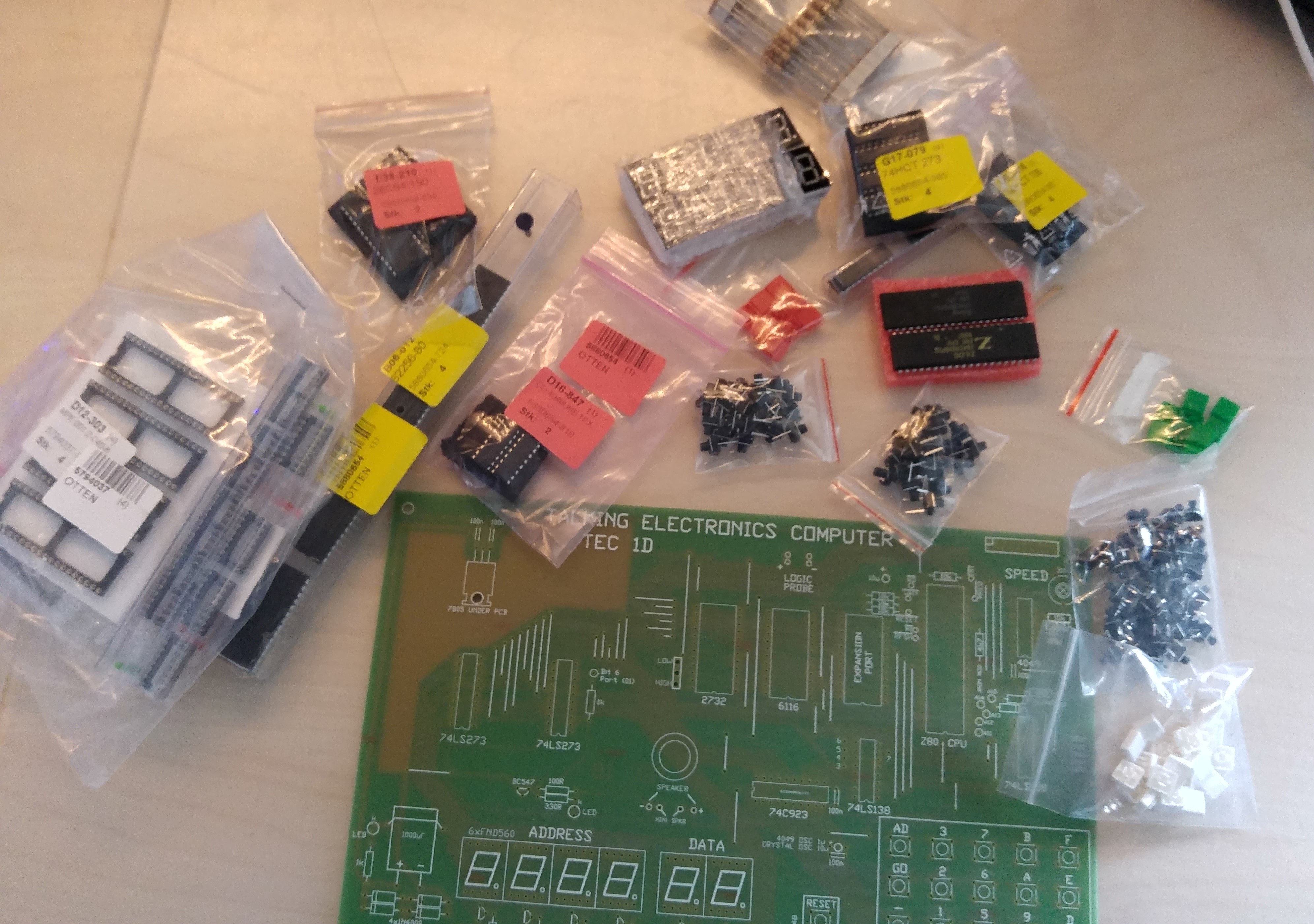
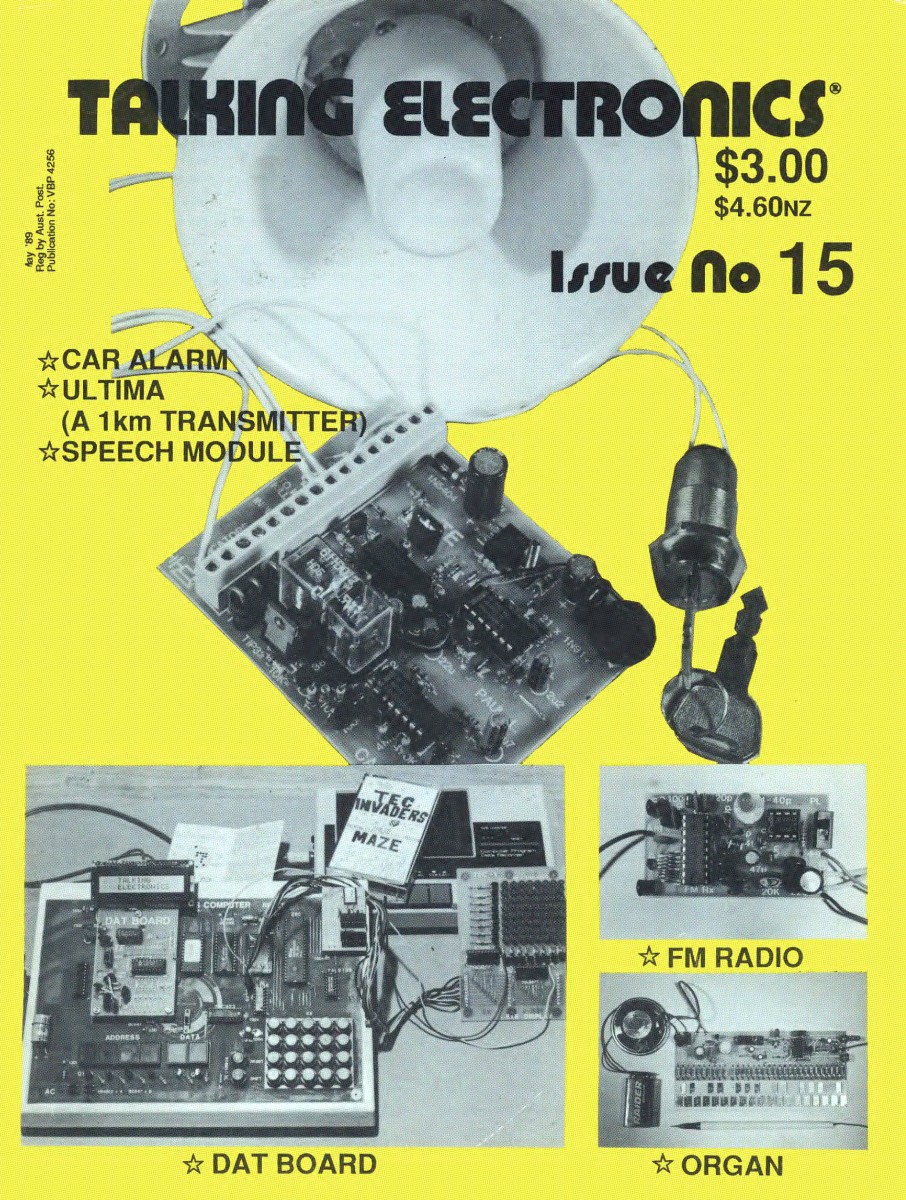
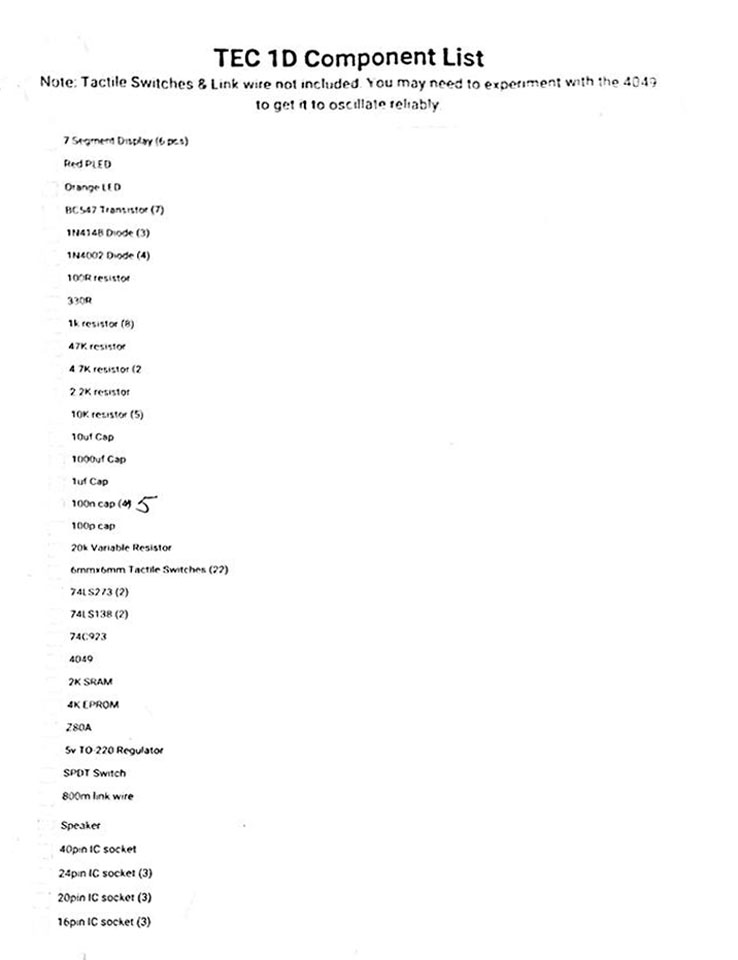
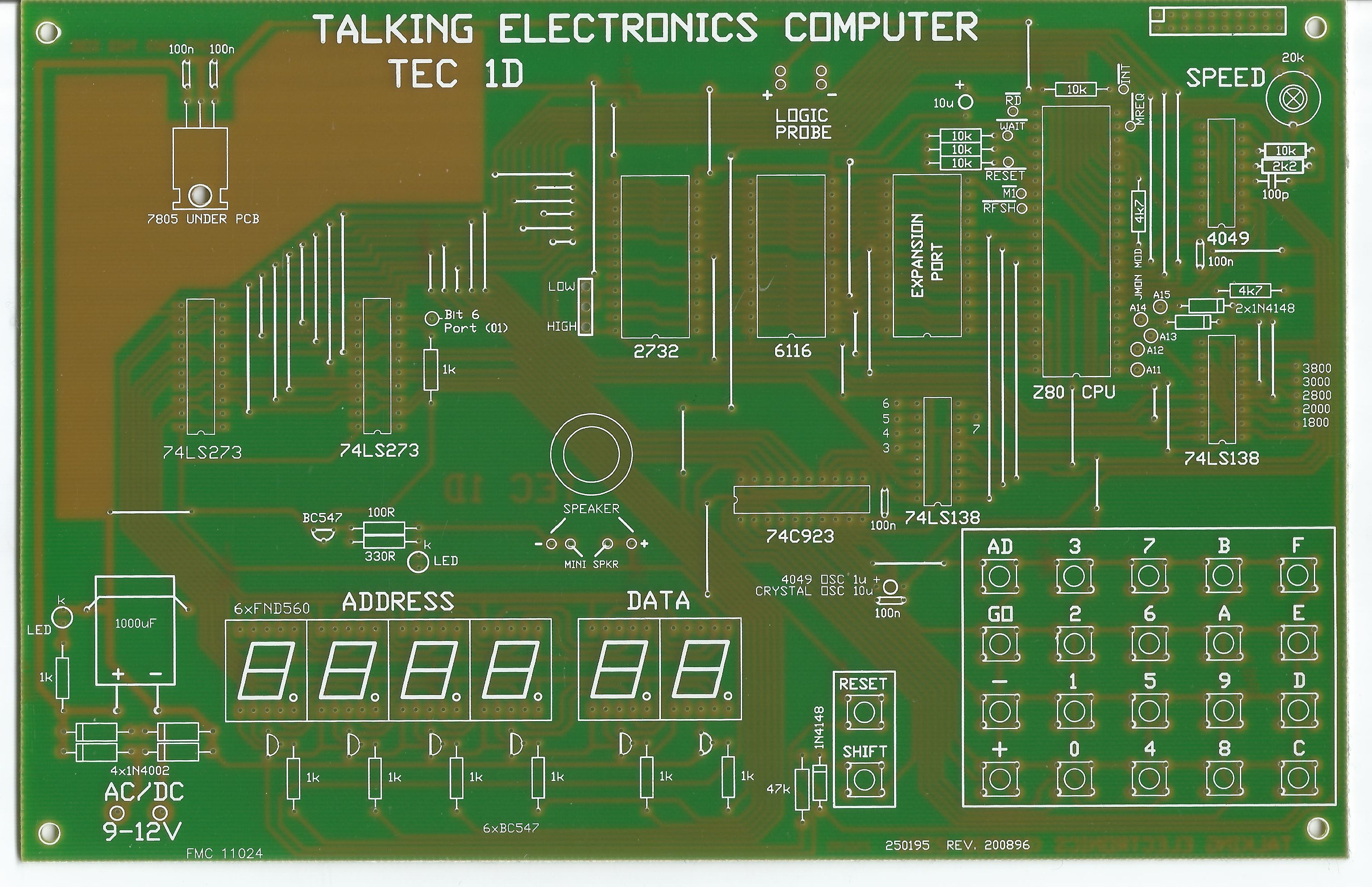
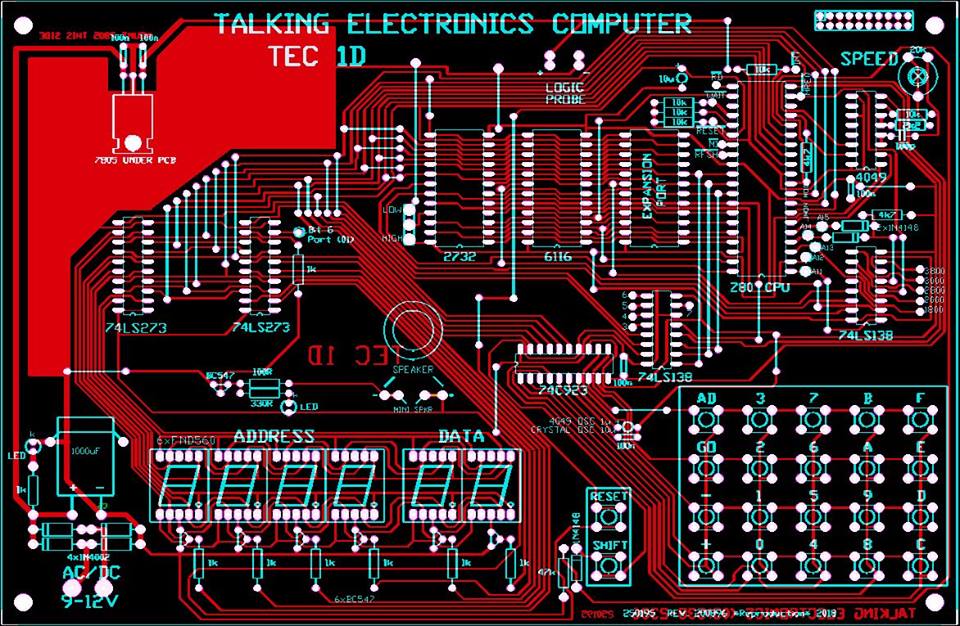
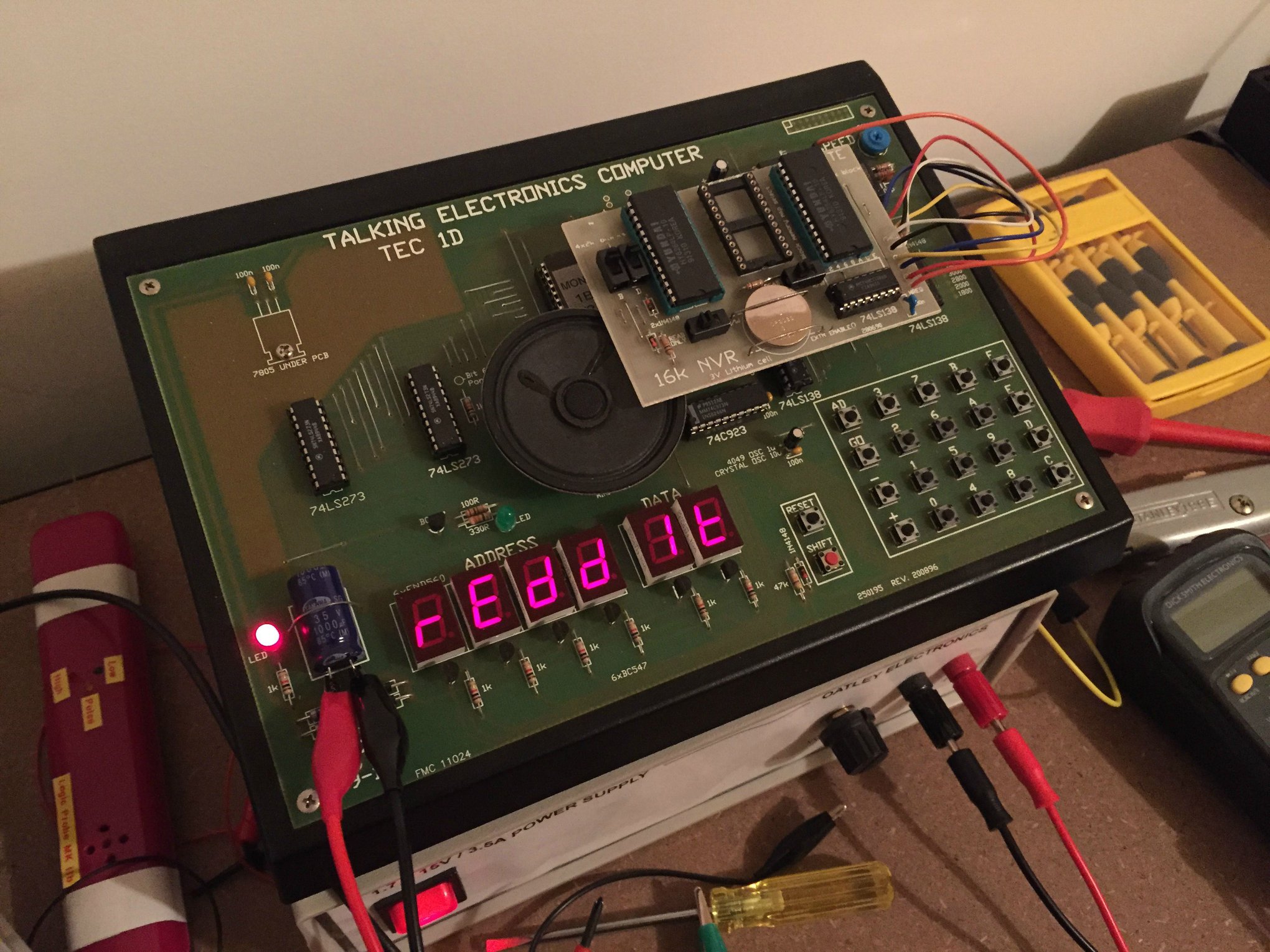
The TEC-1C and TEC-1D were designed after the last issue of Talking Electronics was published. So no articles to show here, only a component list.
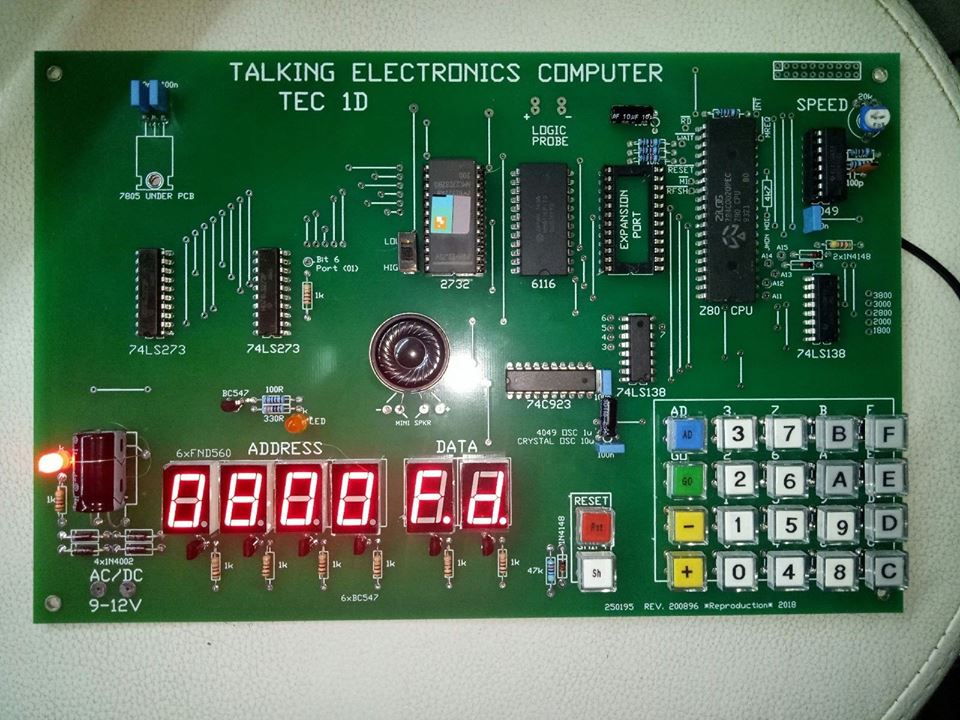
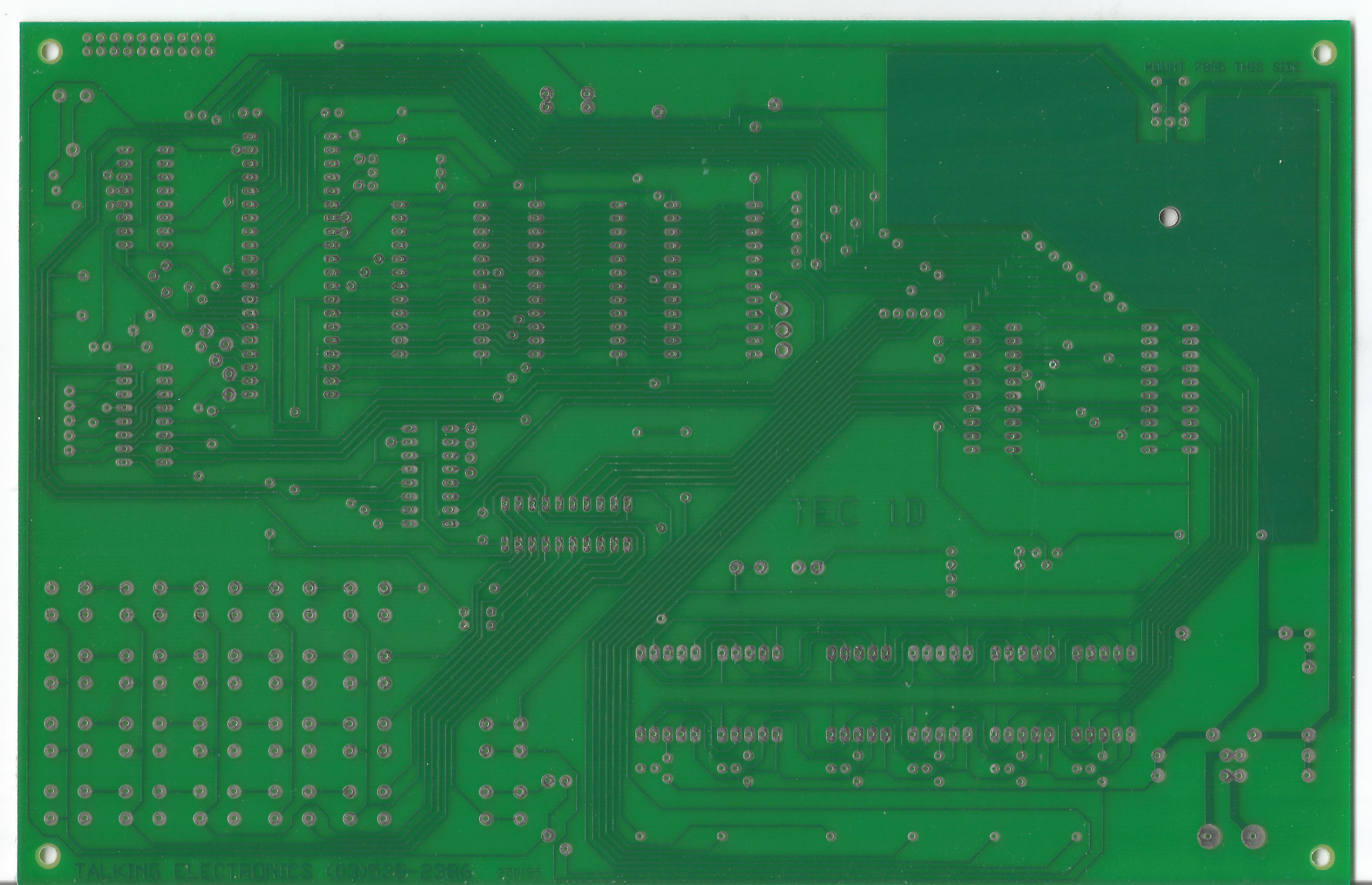
The design is identical to the TEC-1B. Only the PCB had some improvements, simple cheap tactical switches are used for example, function names are printed as part of the silkscreen on the PCB.
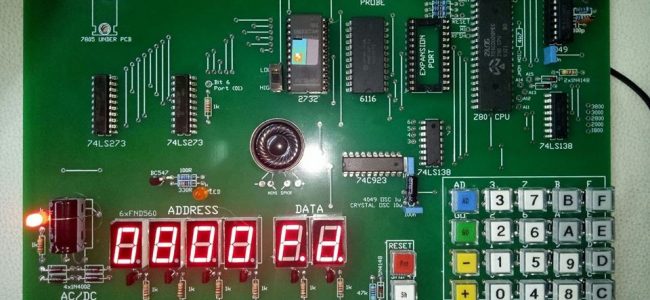
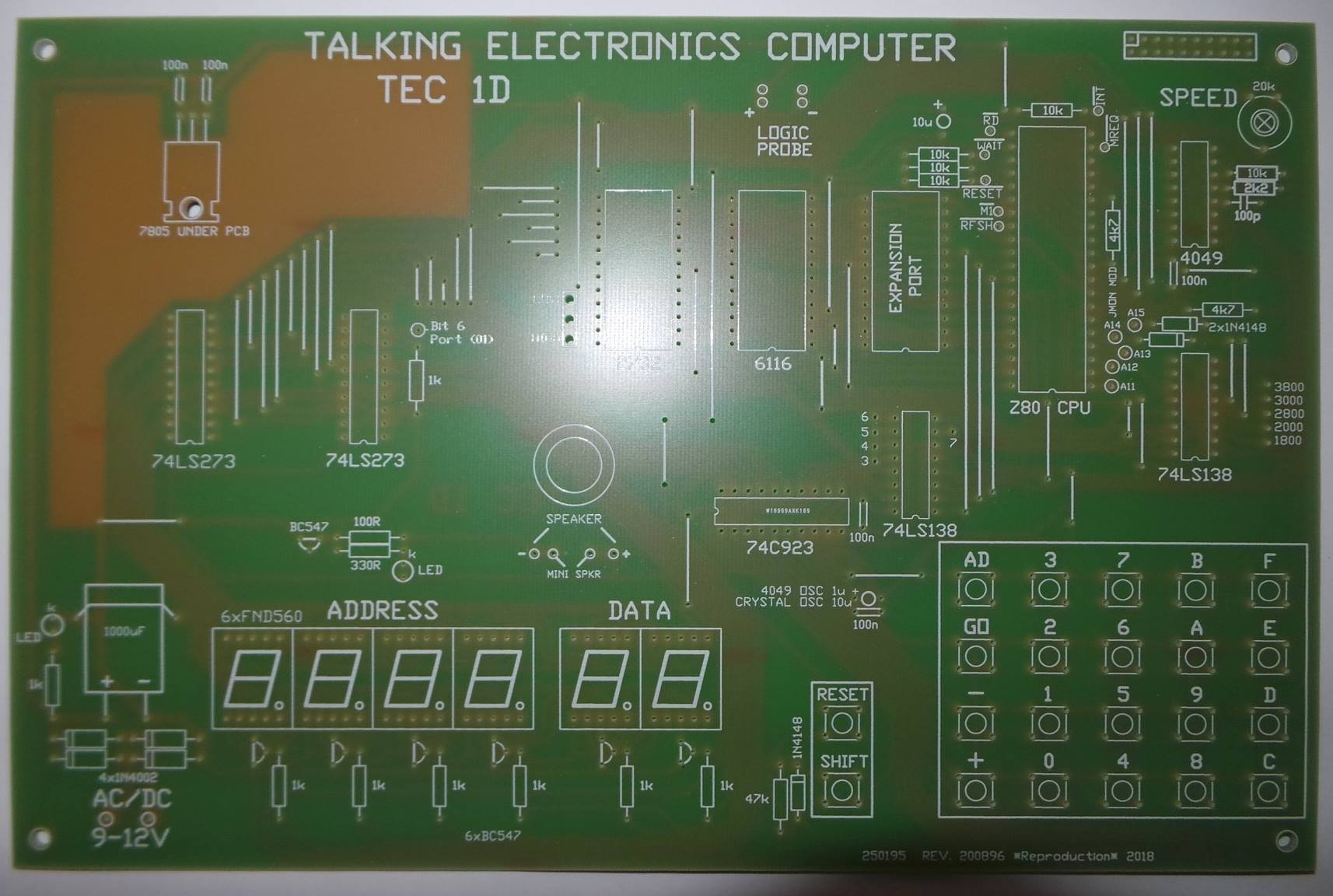
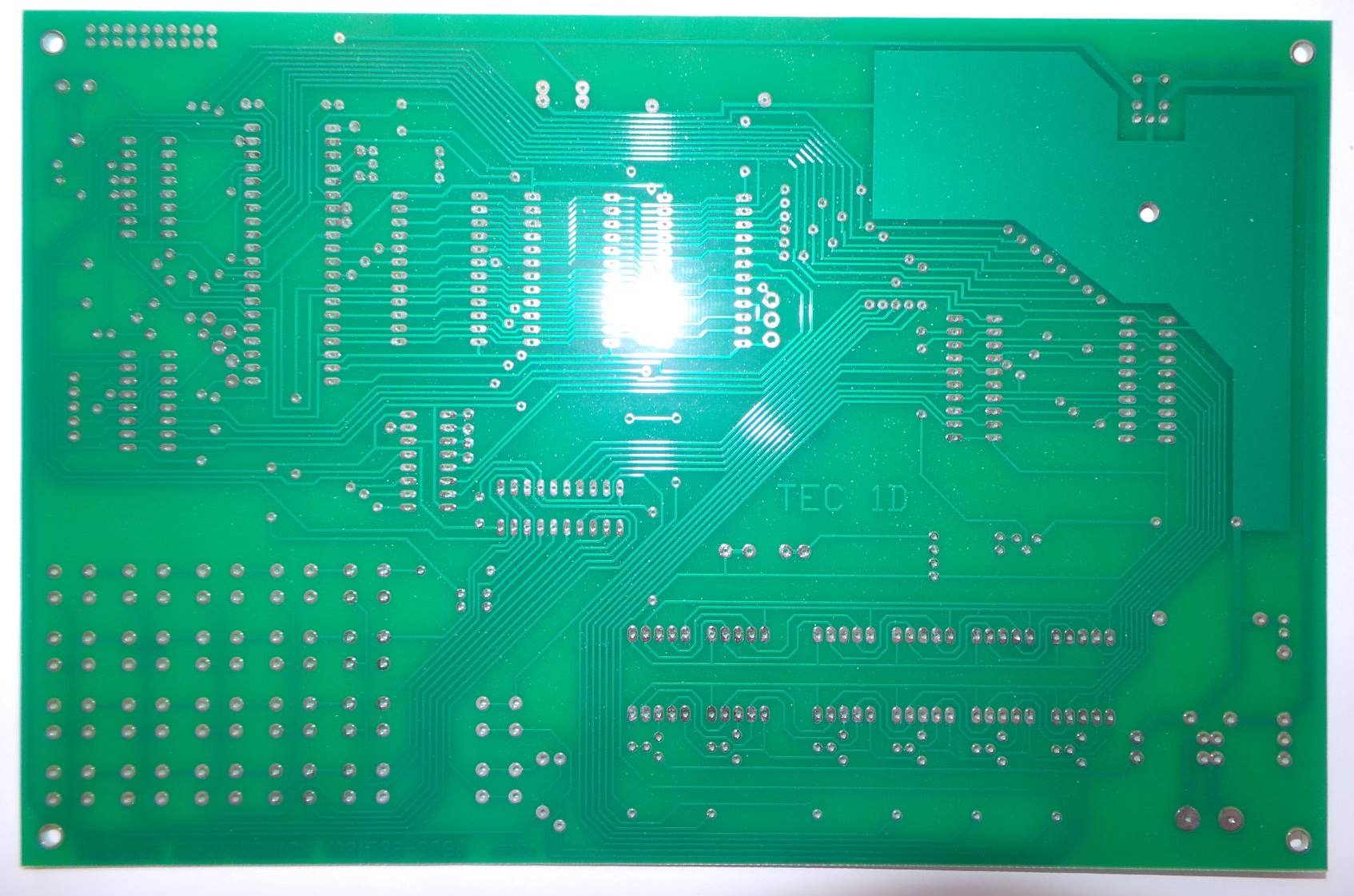
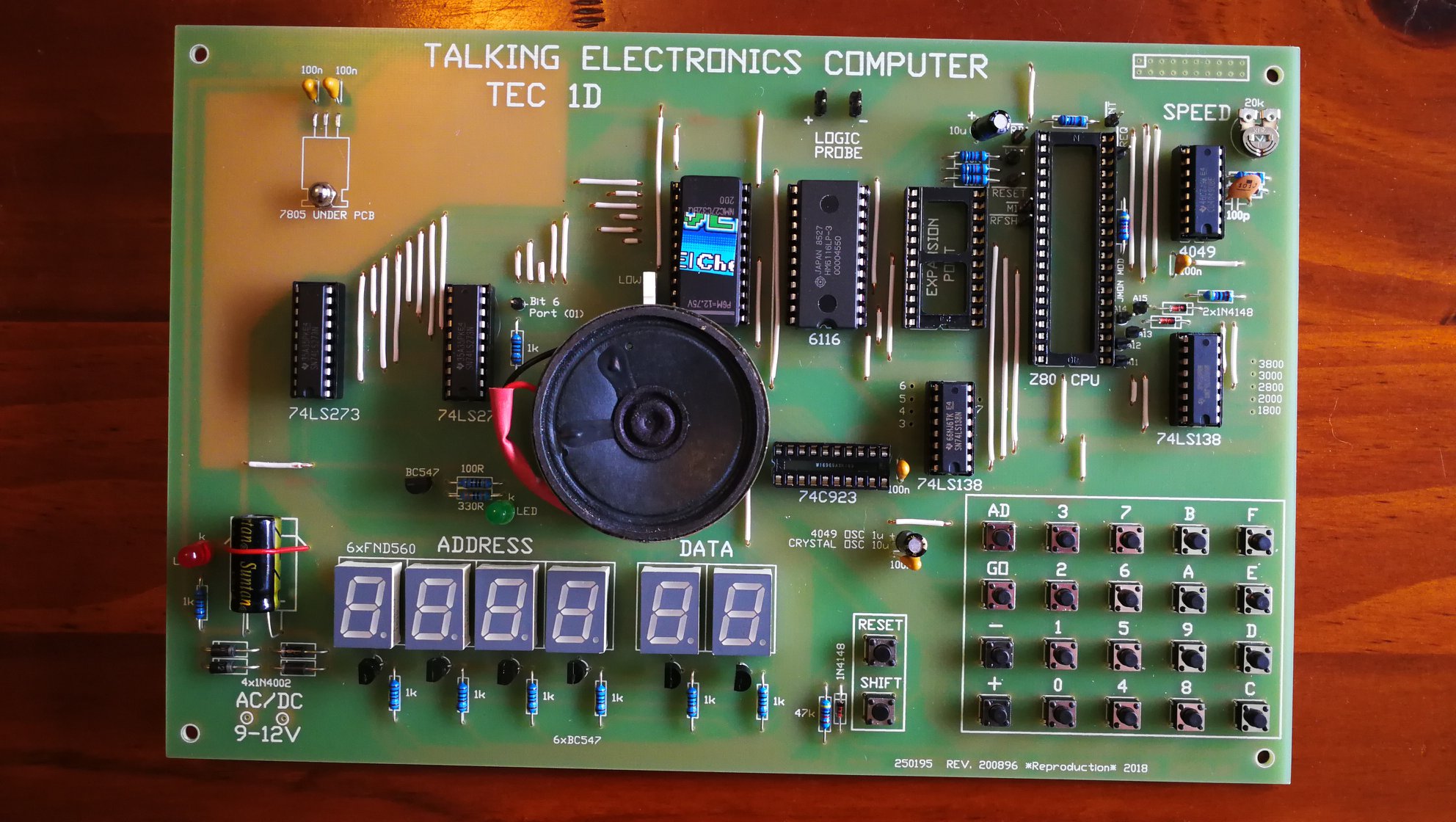
While the original TEC-1D is still available as a kit from Talking Electronics, a recent production run of the PCB as Reproduction 2018 is available from Ben Grimmett via ebay e.g. The latest is double sided, so no more wires!

Reproduction TEC-1D by Ben Grimmett, note the nice keycaps available on Ali Express.


See also:
PROTON Electronics: PC-1, CB80, PIM-1
PROTON Electronics, a small company from Naarden the Netherlands, led by James Post, and A.J. Kool as technical manager,...
PAL-2
4 february 2025 2025 I have built the PAl-2 kit, now designing and building a I/O card.
This information is based upon ...
John Bell PN 80-Z80
Z80 Microcomputer PN 80-Z80
PCB images by Gledn Deas, thanks!
PC Tools
Updated December 2020, Linux compilation checked, bugs fixed, online program for comverting binary to wave file.
To a...
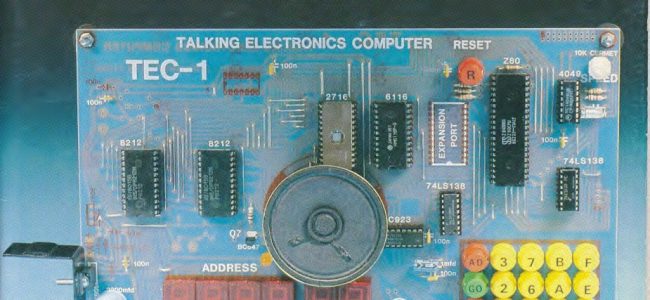
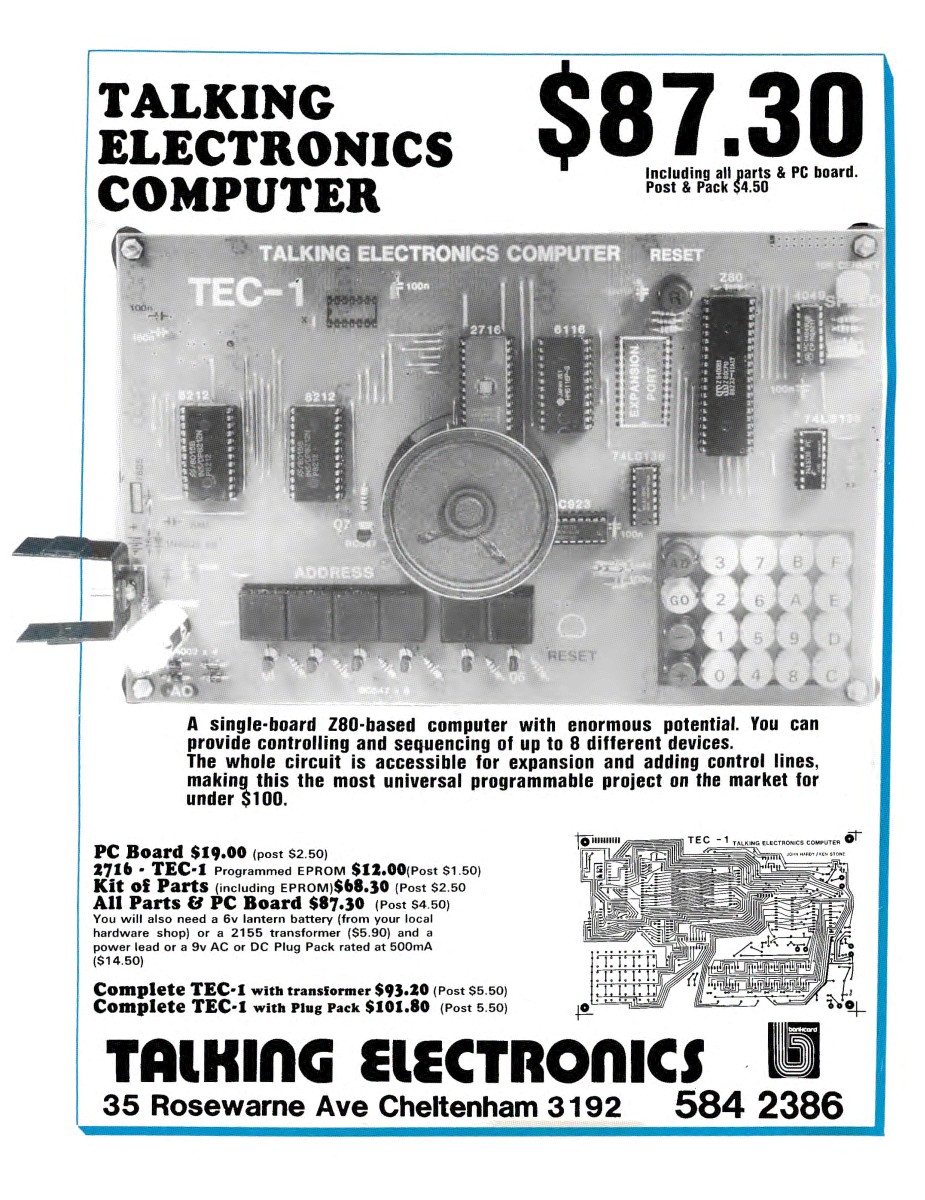
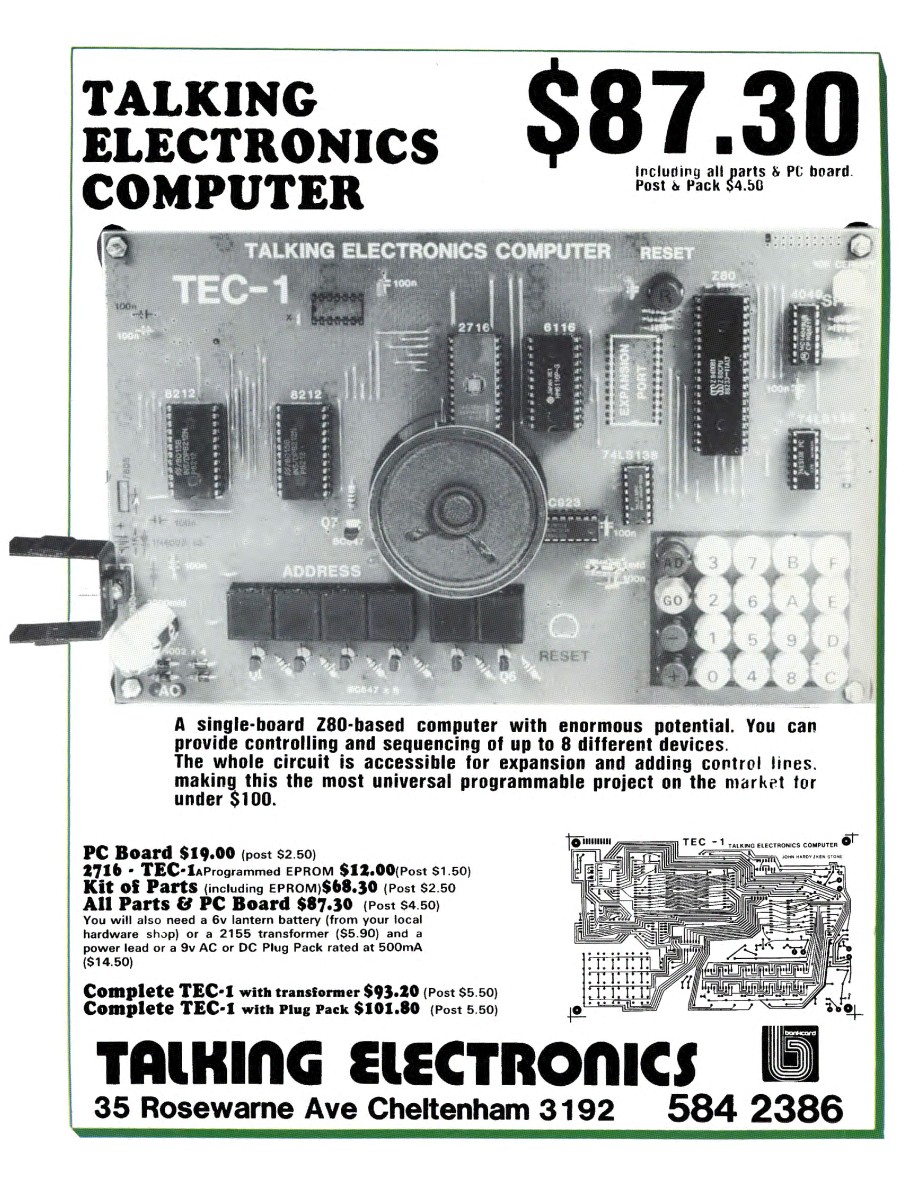
Specifications: Z80 with variable clock speed (IC 4049 oscillator).20 keys for the main input (16 hexadecimal keys for numeric input and keys labelled AD (for address), GO (to execute a program), + and -. Scanned with a 74C923 keyboard encoder. 6 seven segment displays with 8212 latch IC’s, also the source of a 1 bit speaker for sound.2716 EPOM with monitor MON1 or MON1b. 6116 SRAM for 2K RAM.
Memory decoding with 74LS138. Expansion connector in the form of a IC socket, 6116 compatible, extra chip select signals available. The expansions used this for extra RAM (RAM stack) e.g.
There was also a reset key in the standard configuration and the 1A optional upgrade had a function key.
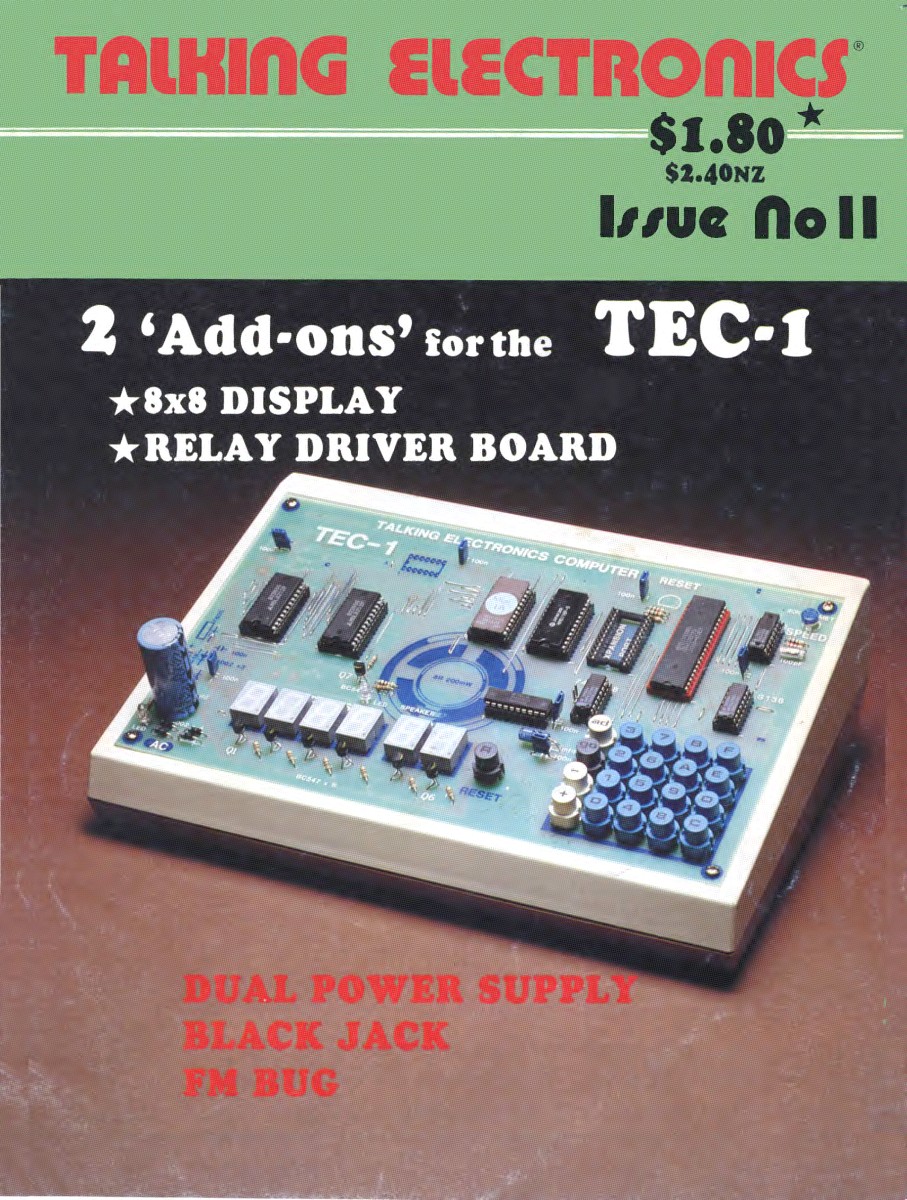
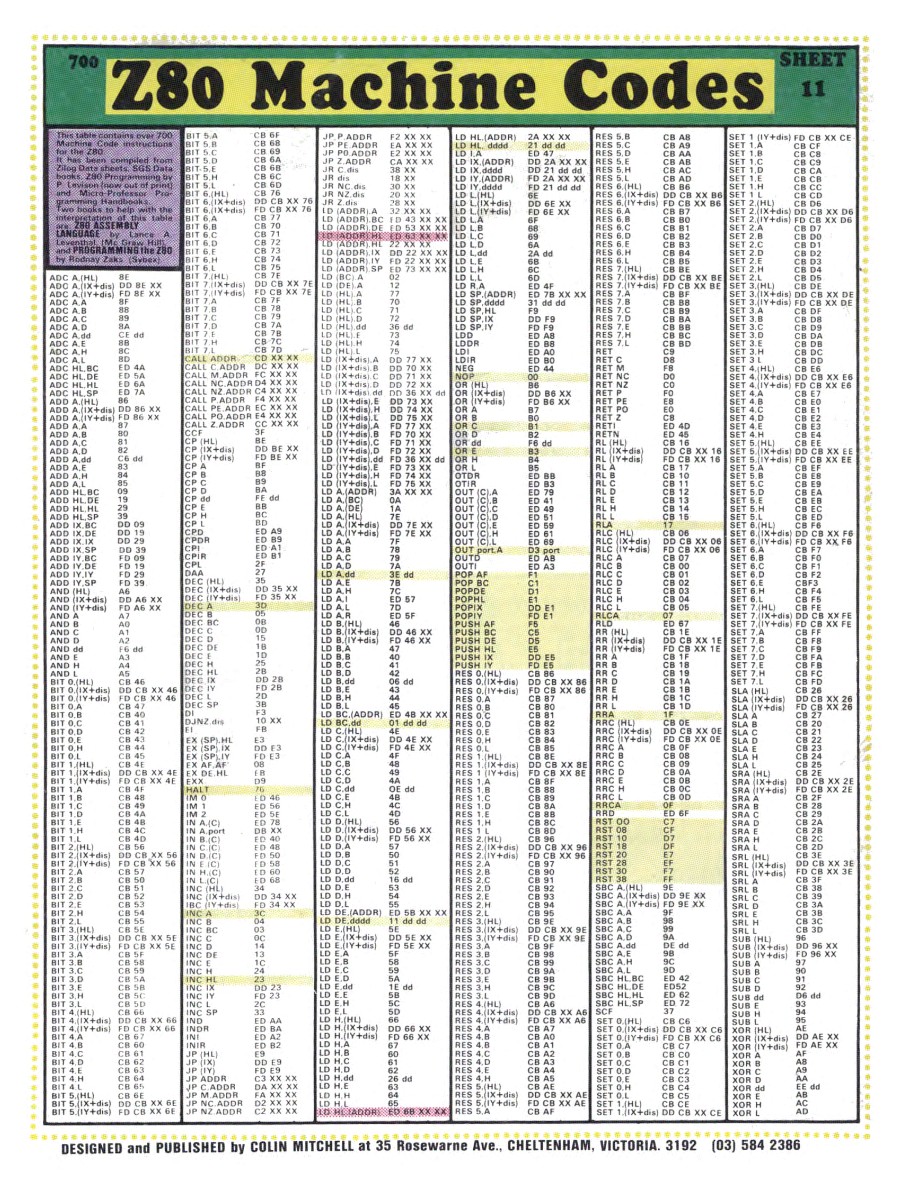
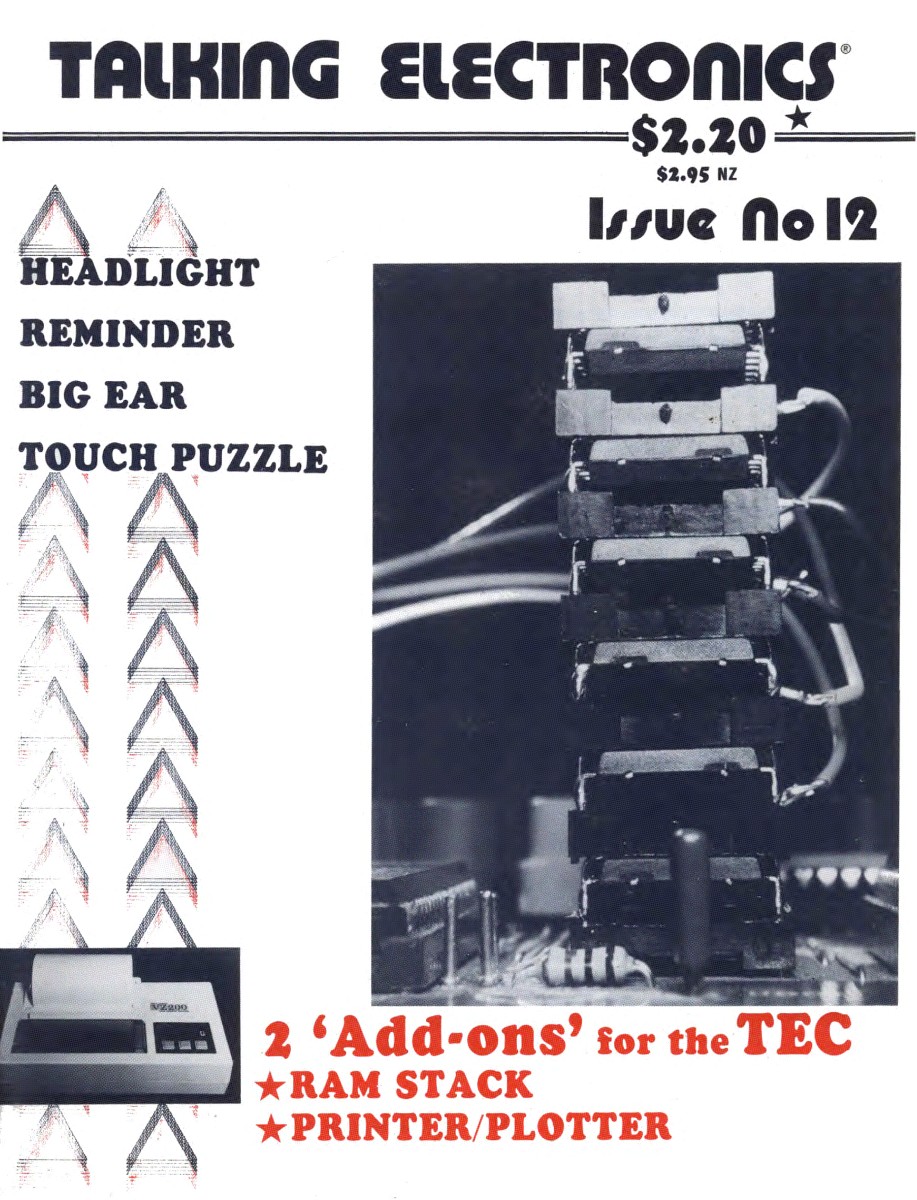
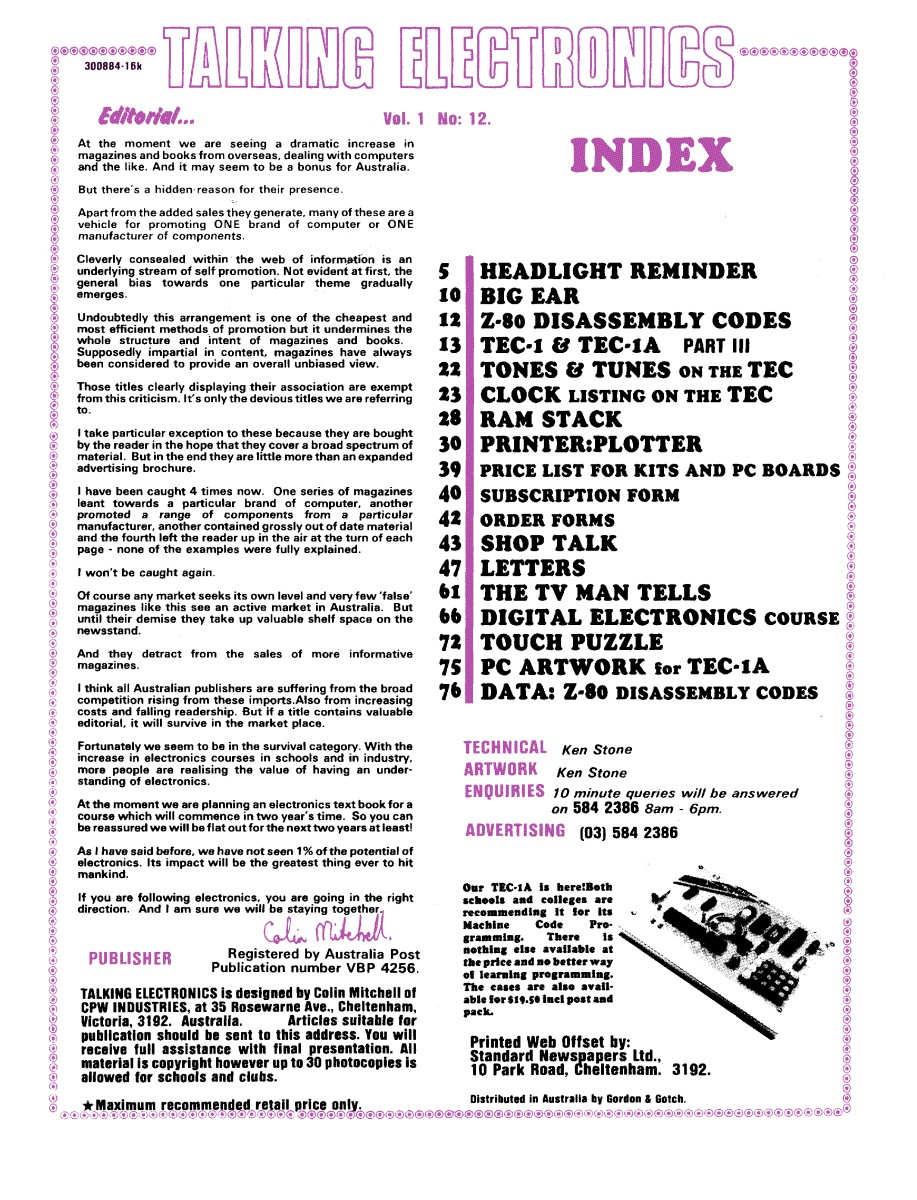
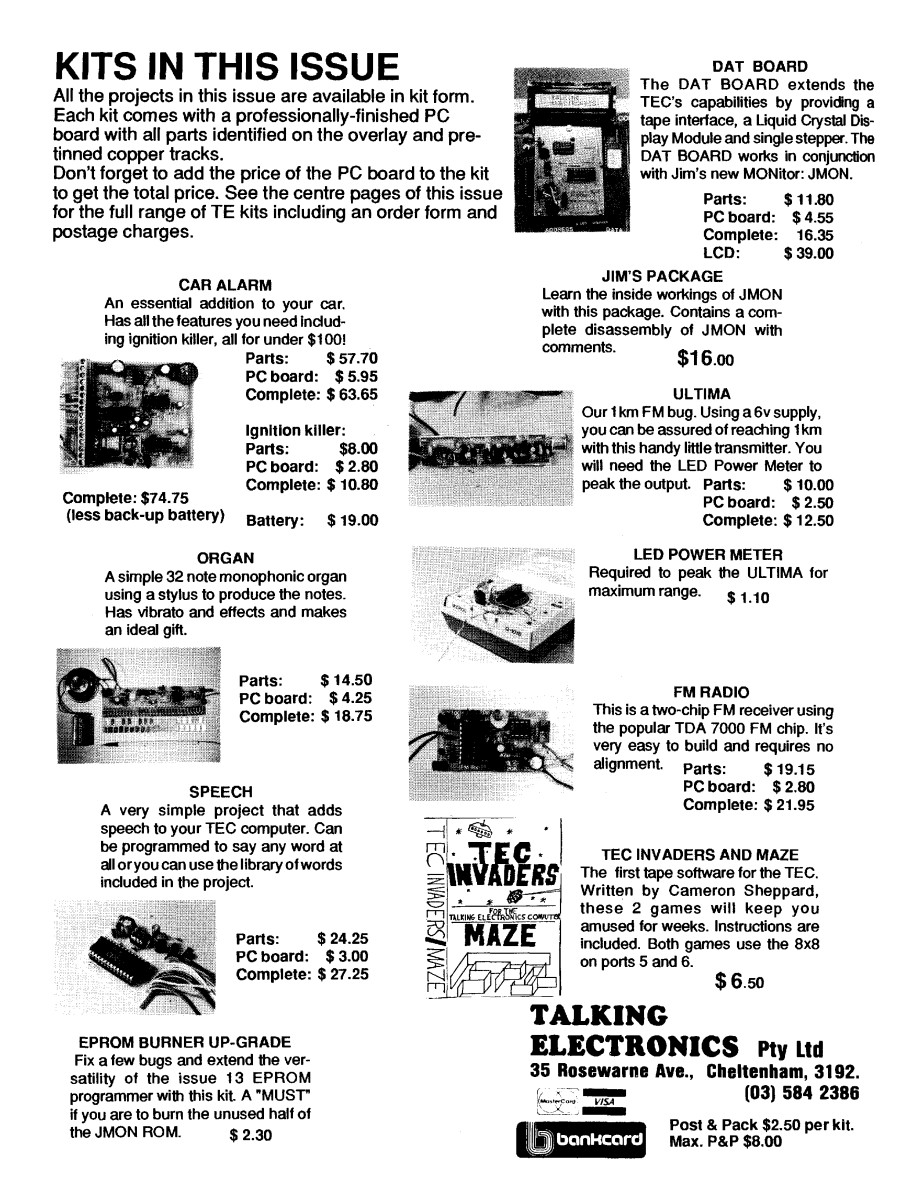
Published in Talking Electronics Issue 10, 11 and 12.
PDF of the articles here.


See also:
PROTON Electronics: PC-1, CB80, PIM-1
PROTON Electronics, a small company from Naarden the Netherlands, led by James Post, and A.J. Kool as technical manager,...
PAL-2
4 february 2025 2025 I have built the PAl-2 kit, now designing and building a I/O card.
This information is based upon ...
John Bell PN 80-Z80
Z80 Microcomputer PN 80-Z80
PCB images by Gledn Deas, thanks!
PC Tools
Updated December 2020, Linux compilation checked, bugs fixed, online program for comverting binary to wave file.
To a...