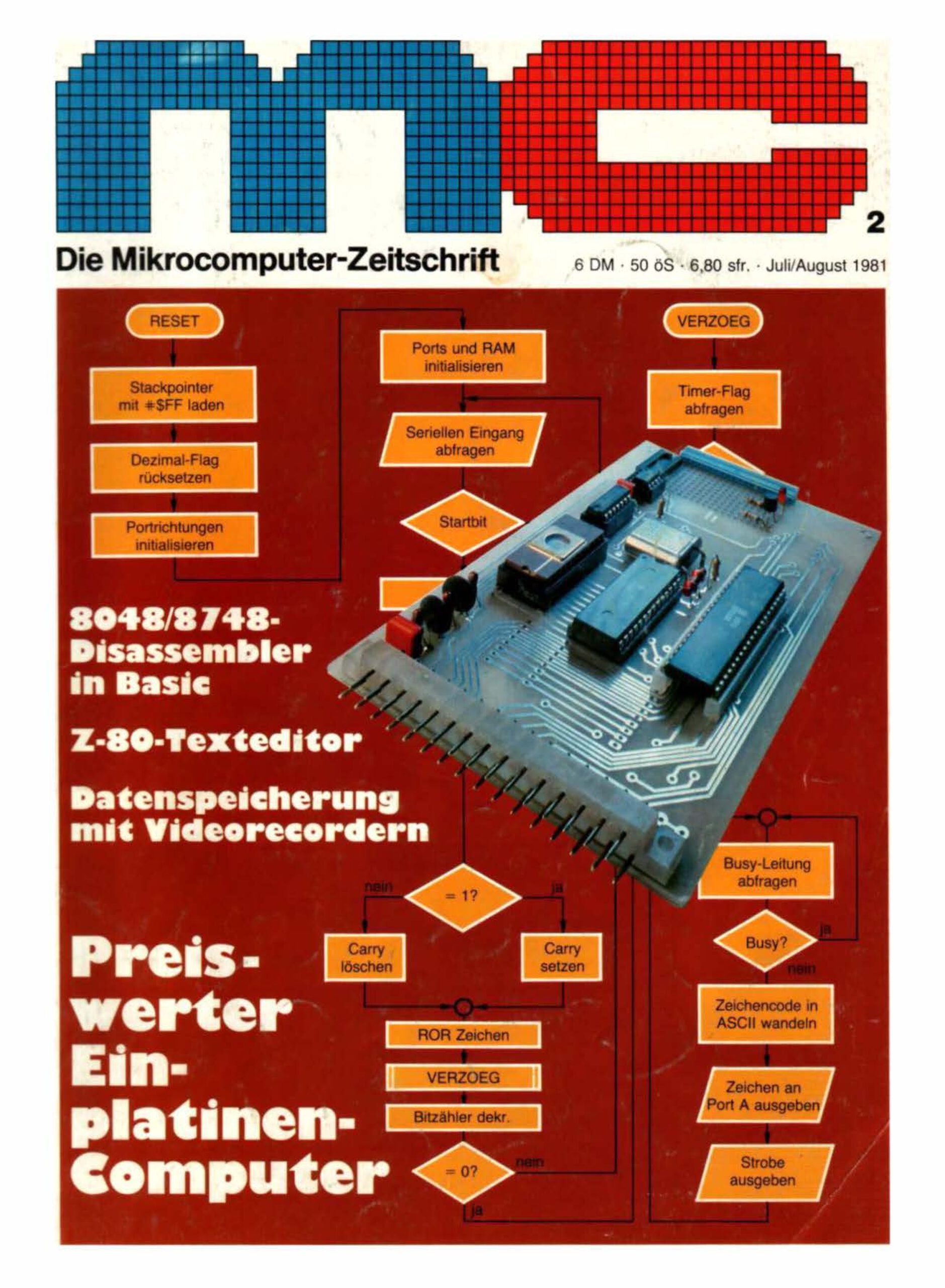
The EMUF pages are a tribute to the work of the editing staff of the German magazine MC Die Mikrocomputer-Zeitschrift on SBC’s.
The EMUF pages are based upon:
– the MC magazine: 1981 – 1987 (see archive.org for scans)
– the EMUF Sonderheft
– the EMUF Sonderheft 2
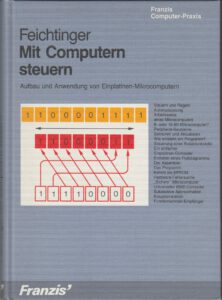
– the book Mit Computern Steuern
From wikipedia.de:
Die Zeitschrift mc war ein von Januar 1981 bis mindestens Oktober 1996 monatlich erscheinendes deutschsprachiges Computermagazin.
„mc“ stand für Mikrocomputer, was sich auch im Untertitel der 1980er-Jahre Die Mikrocomputer-Zeitschrift widerspiegelte. Sie wurde von Herwig Feichtinger mitgegründet, der zunächst auch Chefredakteur war, und kostete zu dieser Zeit 6,00 bis 6,50 DM. Entstanden war die mc aus einer festen Rubrik der Funkschau. Zwischenzeitlich wurde der Untertitel geändert in Computerpraxis für den technischen Anwender, schließlich in Systemübergreifendes, technisch orientiertes Know-how. Mit der Ausgabe Juli 1994 erschien sie nur noch als Beilage zur Zeitschrift DOS International, hatte aber immer noch einen Umfang von etwa 45 Seiten. 1992 bis 1993 erschienen insgesamt fünf Sonderhefte mit dem Titel WINbox. Spezial-Magazin für Windows-Anwender.
Redakteur und später Chefredakteur der Zeitschrift mc war Ulrich Rohde, welcher 1983 auch den WDR Computerclub mitbegründete. Herausgegeben wurde die MC anfangs vom Franzis-Verlag, ab Juli 1994 in Form einer Heftbeilage vom DMV Verlag als mc extra.
Die MC befasste sich mit Computerthemen, Netzwerken, Hardware, Datenbanken sowie Programmierung. In den letzten Ausgaben gab es die Rubriken „Grundlagen“, „Programmieren“, „Technologie-Report“ und „Test“, in denen Beiträge als Einführungen bzw. Zusammenfassungen zum jeweiligen Thema im Stil wissenschaftlicher Fachblätter geschrieben wurden. Die Redaktion war mit Naturwissenschaftlern besetzt.
Eines der bekanntesten Projekte der Zeitschrift war ein auf dem Mikroprozessor 6504 basierender Einplatinencomputer namens EMUF.
The EMUF MC Sonderheft 2 brought designs of many small computers.
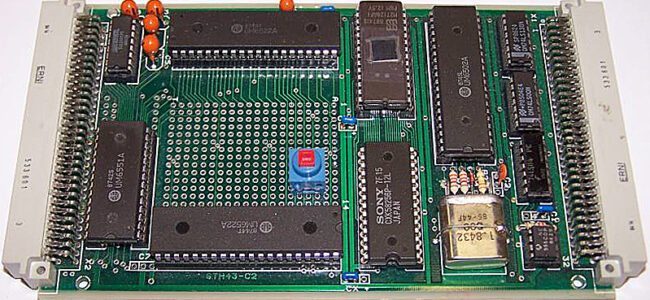
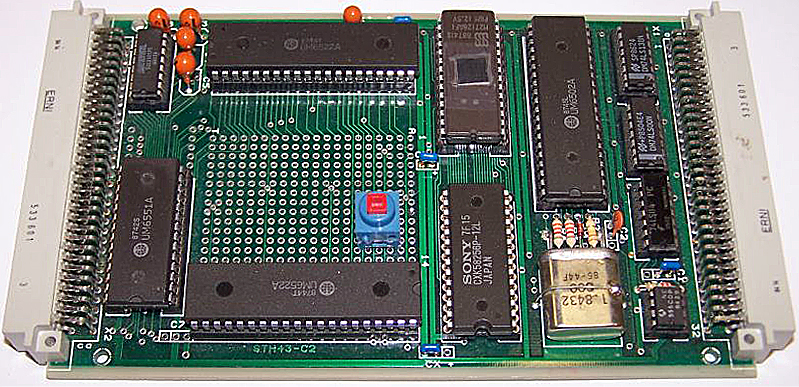
One of these is the EMUF232 V24. 32KB RAM, 6511 ACIA 2×6522, edge connectors
Thanks to Eduardo de Mier for scans and other files!
Note from Forum 64:
– Der Bug im Schaltplan ist auch auf diesem Scan zu finden. Der RESET (Ausgang Inverter nach NE555) sollte mit RESET an der CPU verbunden werden und nicht mit PHI0.
– Bei der Kreuzung der Address- und Datenbusse ist aus ein Bug.
MONITOR PROGRAMM 6502/V24 EMUF
Das Monitorprogramm erlaubt in Verbindung mit einem Microcontroller Platinen die Eingabe von Maschinenprogrammen und Ihrer Ausführung. Die Eingabe muß über eine V24 Schnittstelle erfolgen, entweder über einen Rechner, z. B. IBM, PC oder Atari ST (mit unserem Te rminalemulationsprogrammen PC-TERM oder ST-TERM geladen) oder ein Terminal.
Ferner stellt das mitgelieferte Sourcelisting viele nützliche Unterprogramme zur Verfügung, damit das “Rad” nicht noch öfter erfunden werden muß. Für Programmierneulinge hat es den unschätzbaren Wert eine Basis zu haben, die sicher funktioniert und auf der man aufbauen kann.
Folgende Befehle stehen zur Verfügung:
> D – Hex Dump eines Speicherbereichs
> G – Start eines Programms
> H – Setzt Halt
> R – Disassembliert
> V – Dateneingabe in Assemblercode
> X – Löscht Halt
> A – Einschreiben eines Zeichens in das RAM
A small device in the local thrift store got my attention, it has those calculator kind of displays, bubbles, rare and often more than 7 segments.
Interesting, looks like a microprocessor trainer? No price on it, the lady at the desk said after some thing: give me an euro.
So I did and took it home.
At home I did the obvious: google TM76 Burr Brown. Lots of sales appeared, certainly worth more than a dollar, 100 or so is more the current price.
Another hit was the 1982 catalog of Burr Brown and there was the TM70/TM76: a serial ASCII terminal. Display has full ASCII display of 12 characters. Power supply 5V on (unusal) pin at RS-232-C interface connector on the back.
And some one already had the displays identified: DL1414: 4 digit 16 segment LED displays, full ASCII set, with memory/decoder, intelligent display. See here for a test.
Interesting, a handheld termianl with an alphanumeric keypad and function keys. But what is inside? Unscrewing was easy and it was a surpise: a 6502 + 6532 system!
So far for today .. connecting power and then perhaps later desolder the EPROM and look what program is inside.
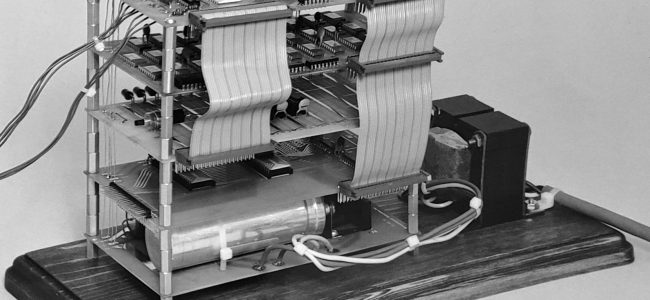
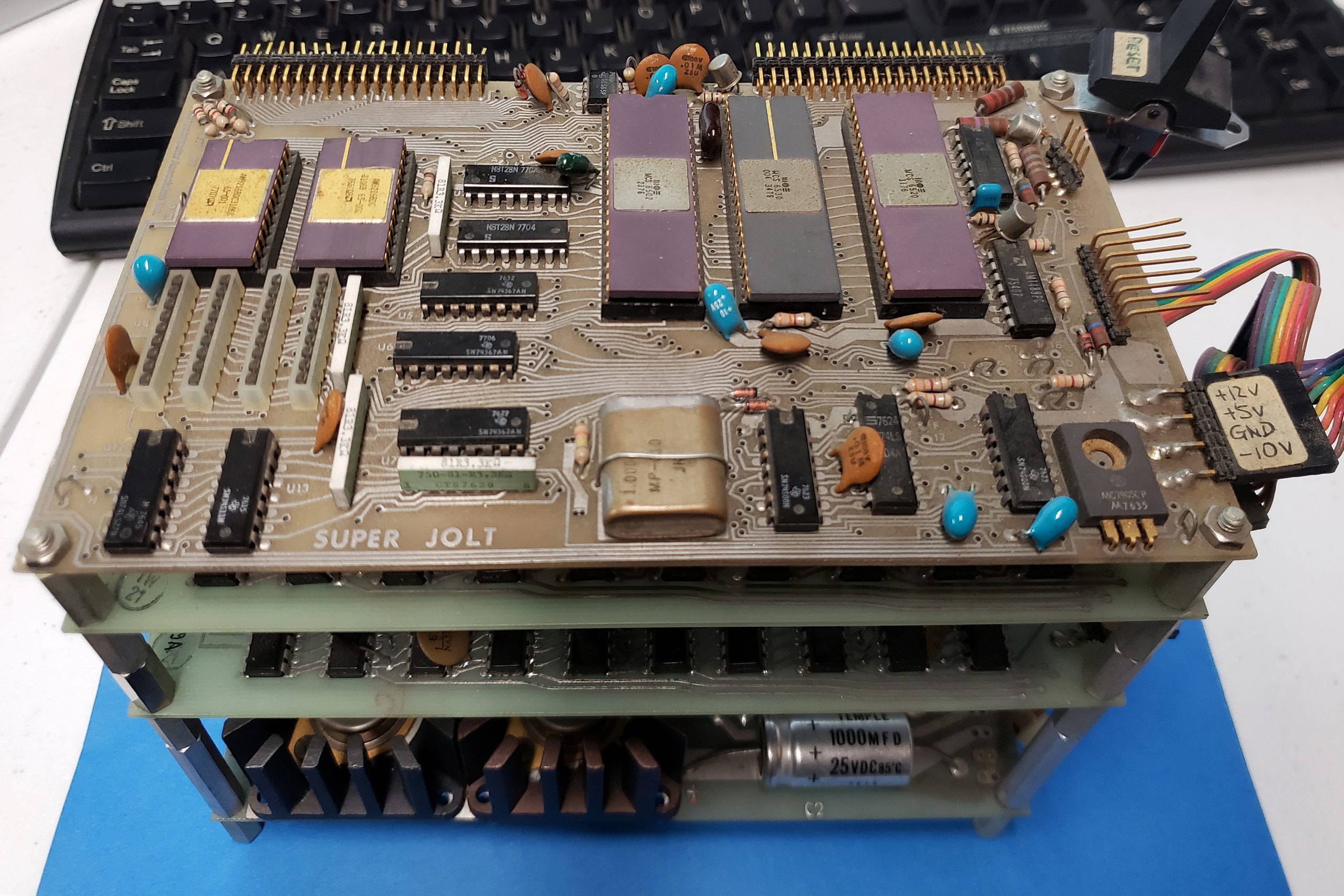
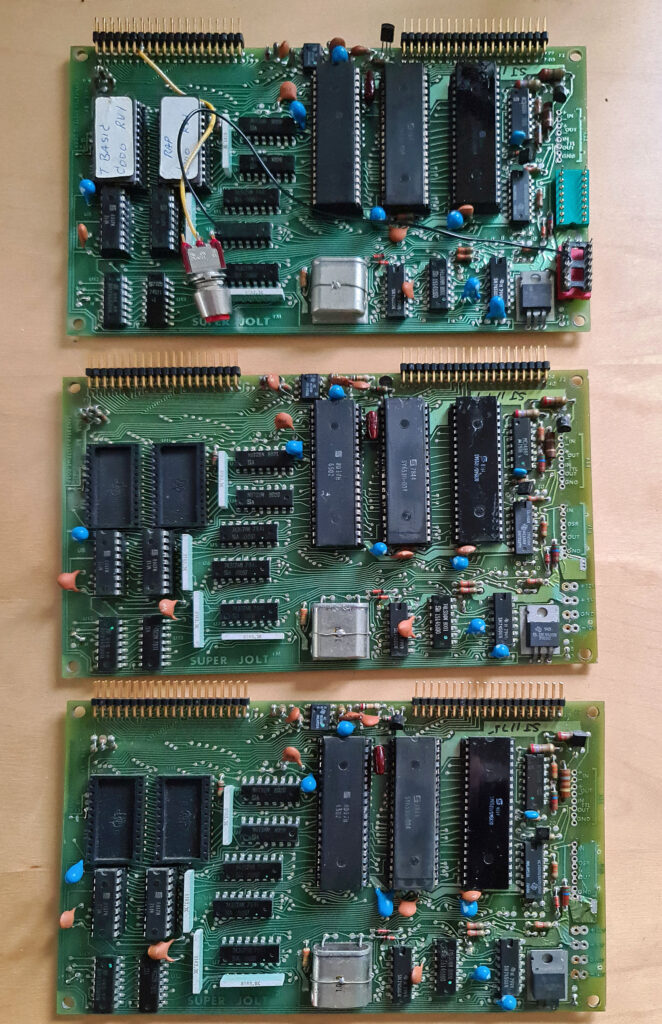
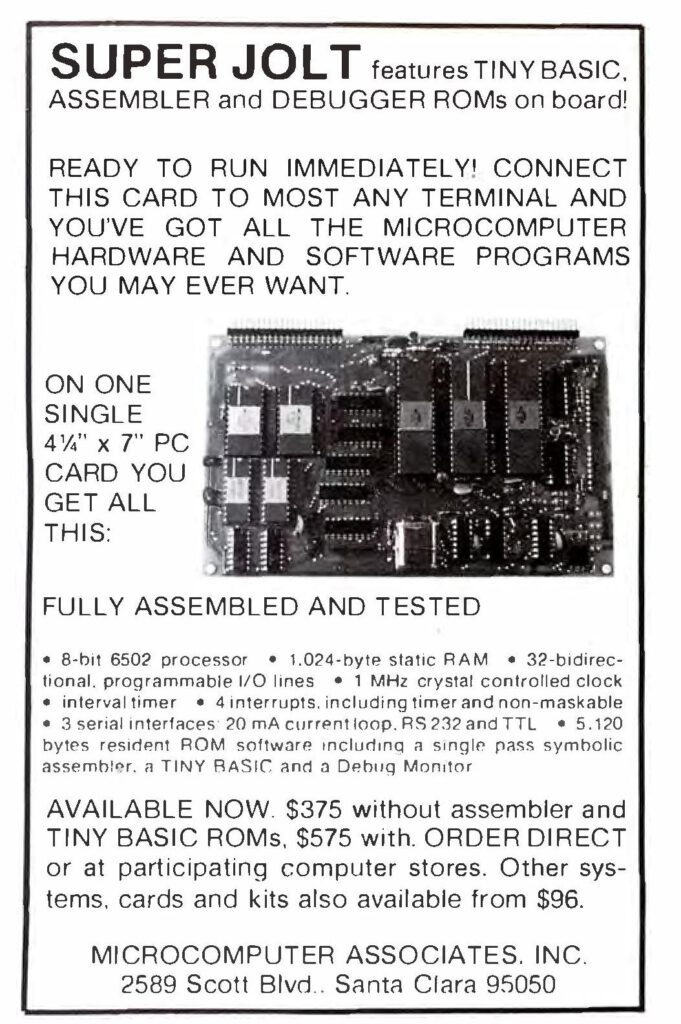
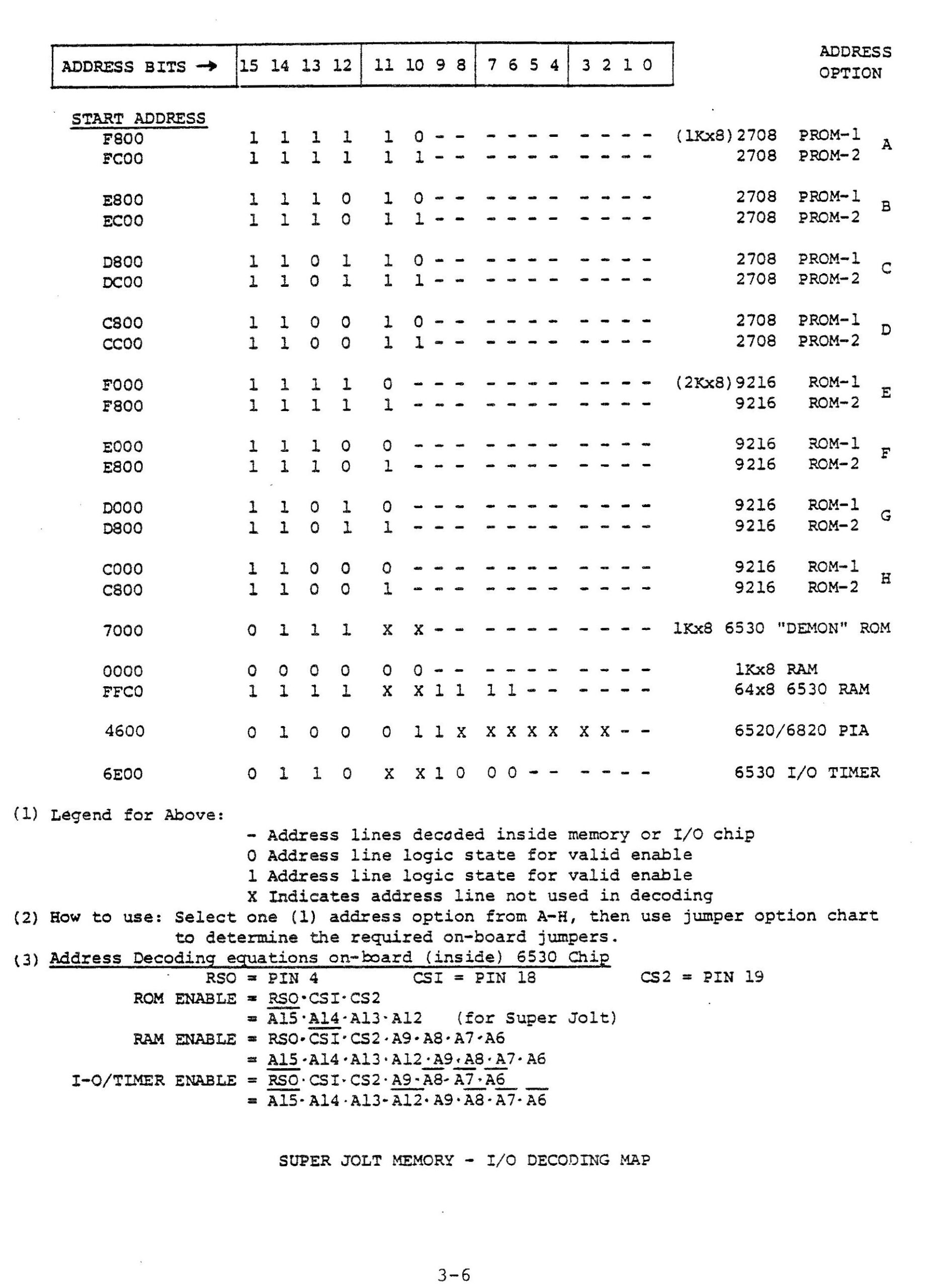
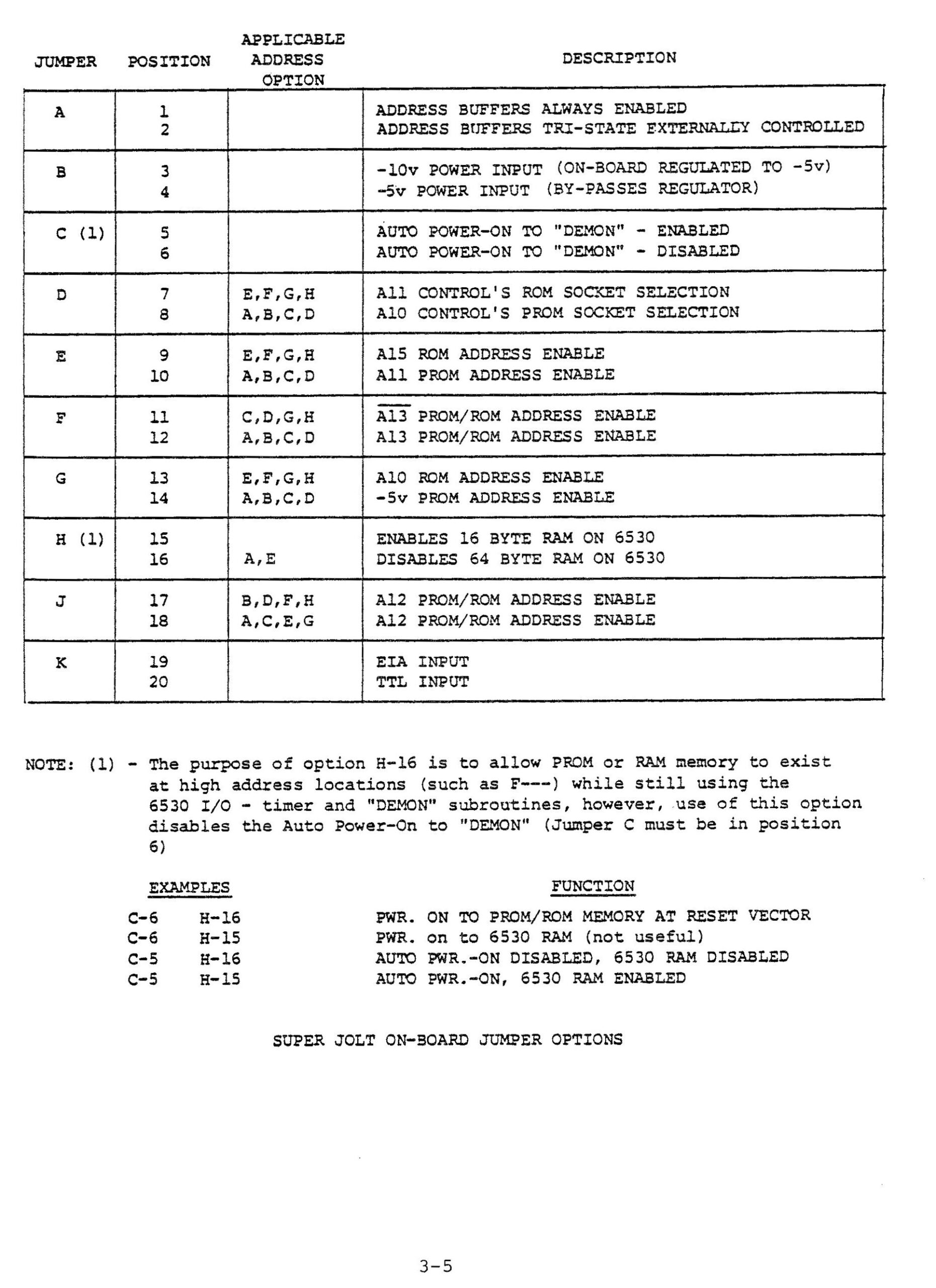
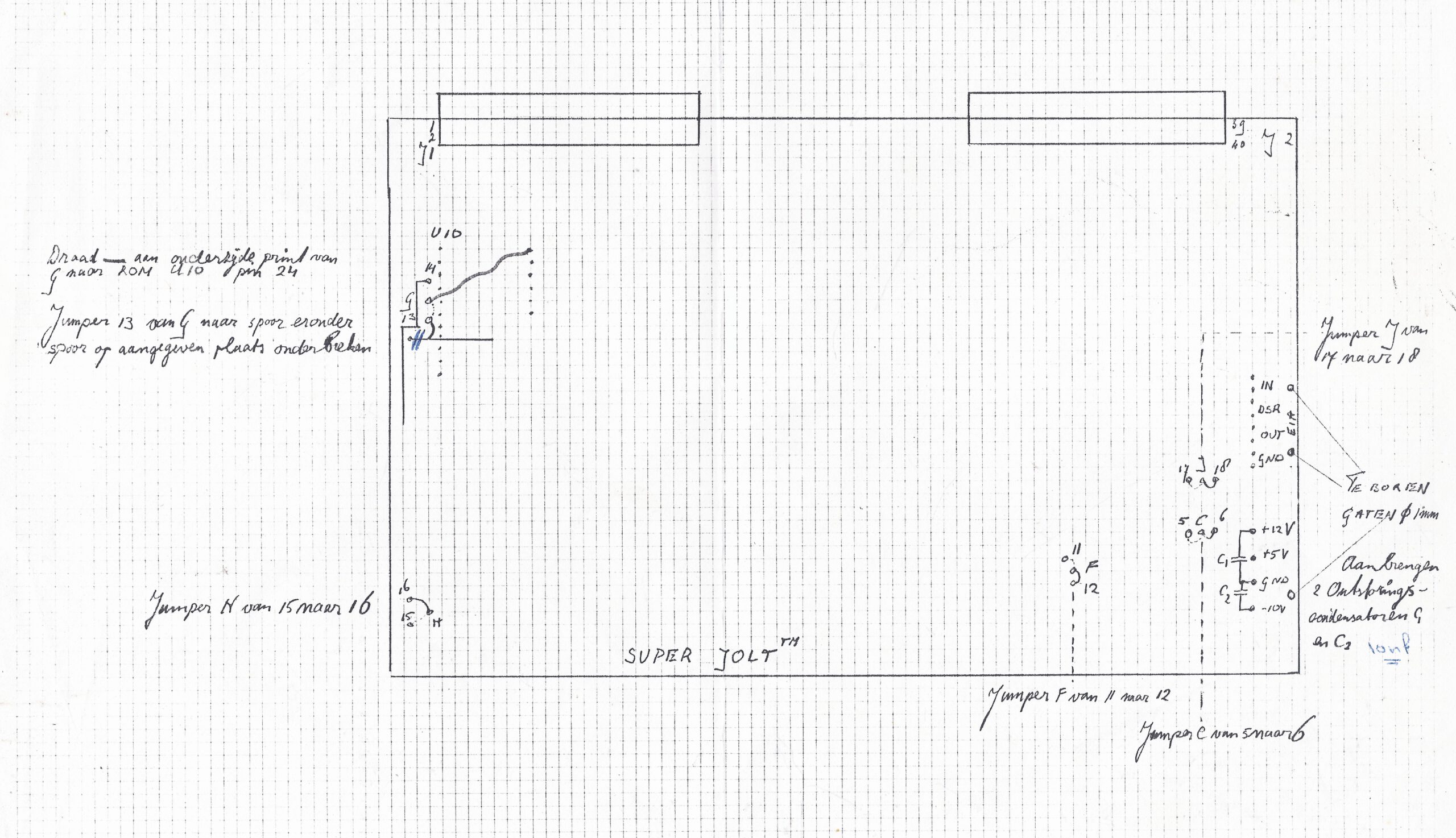
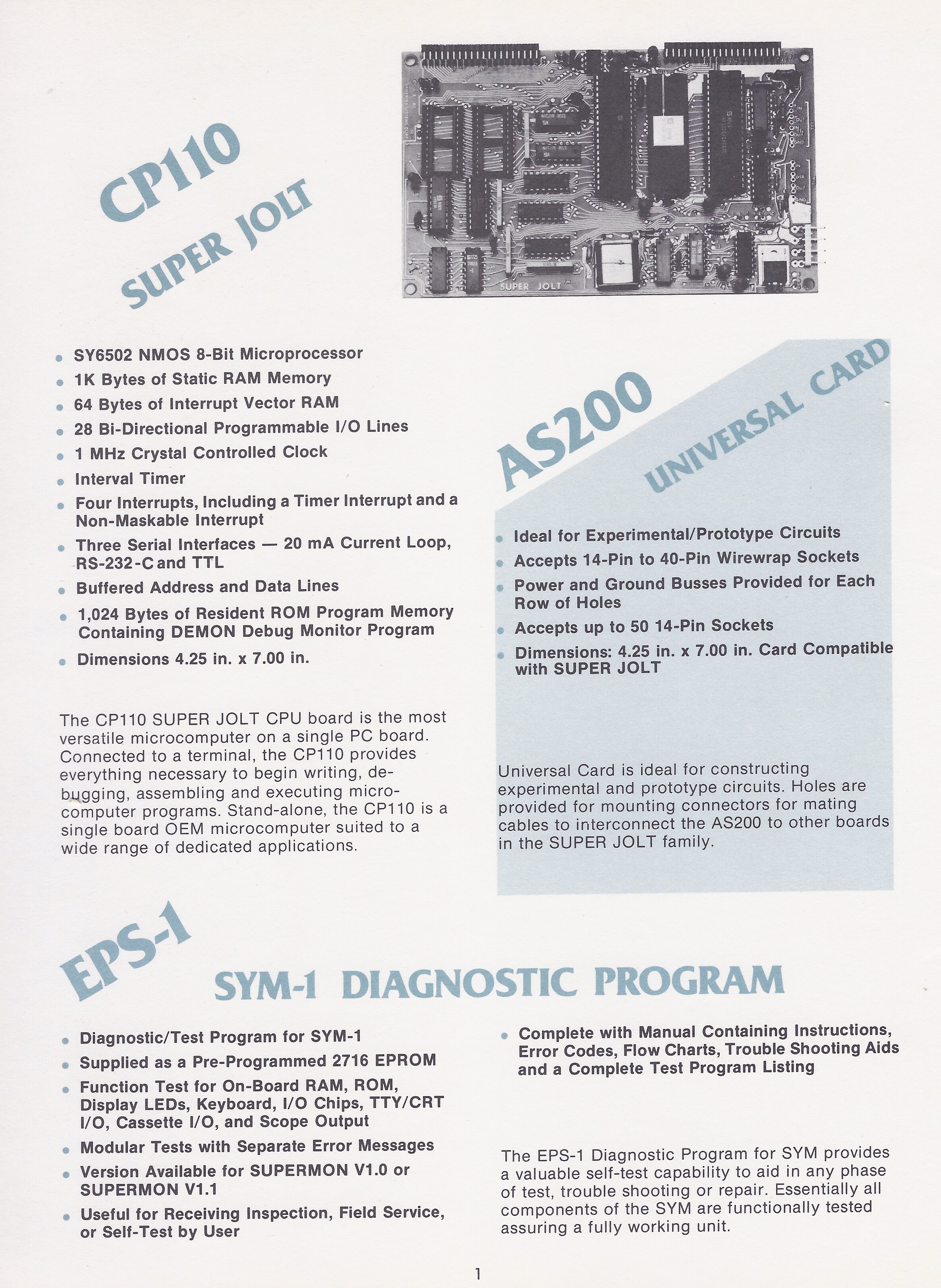
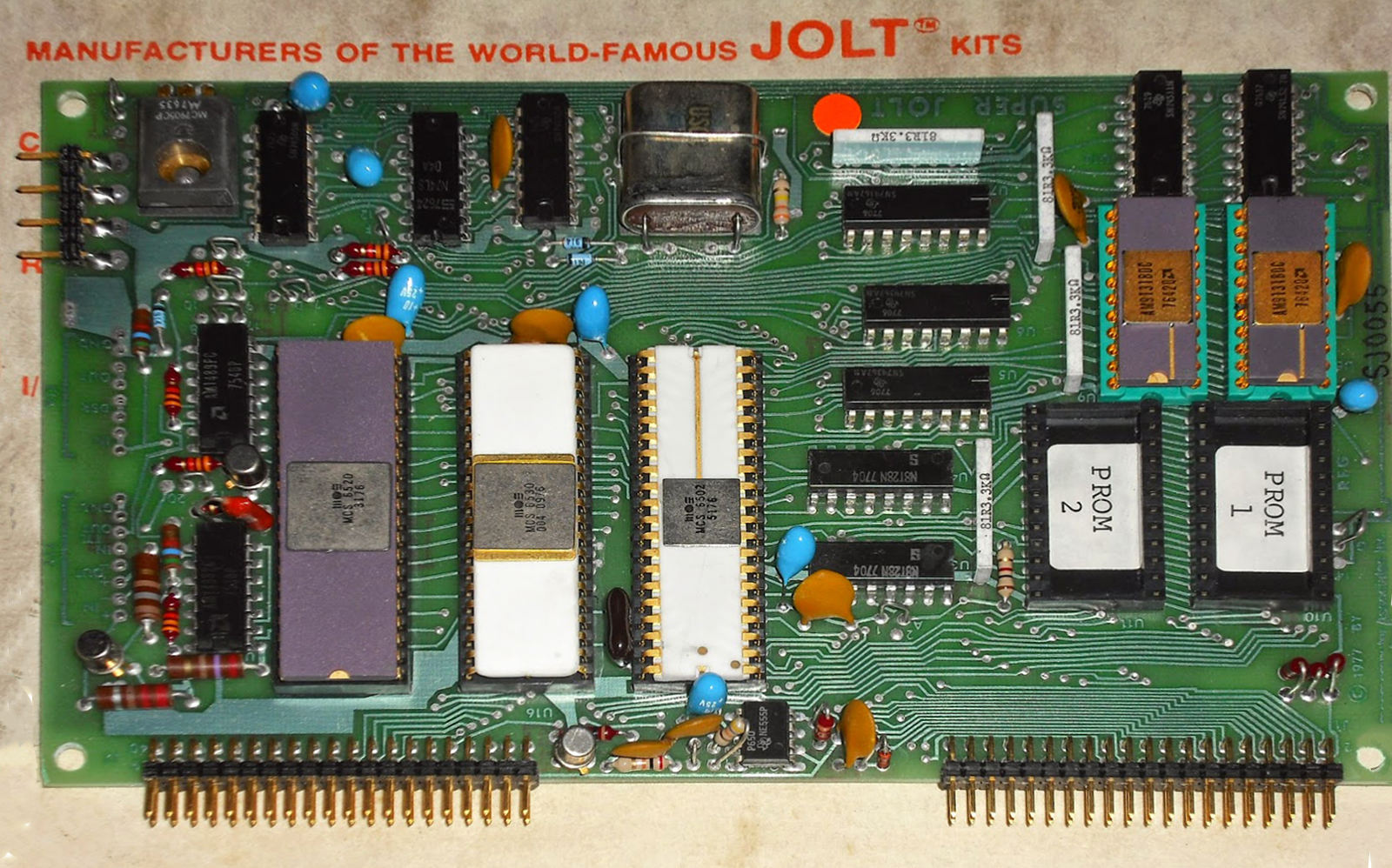
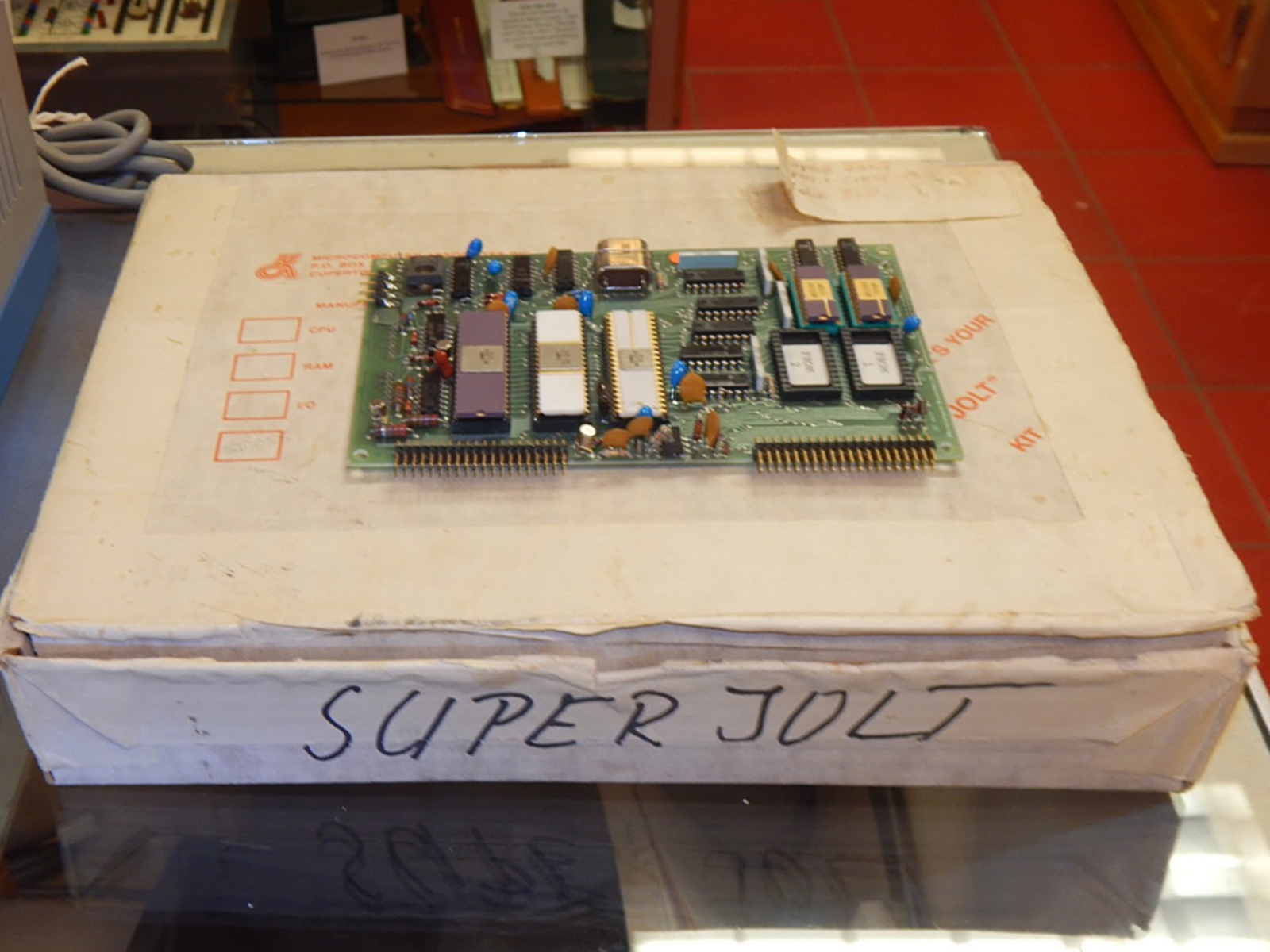
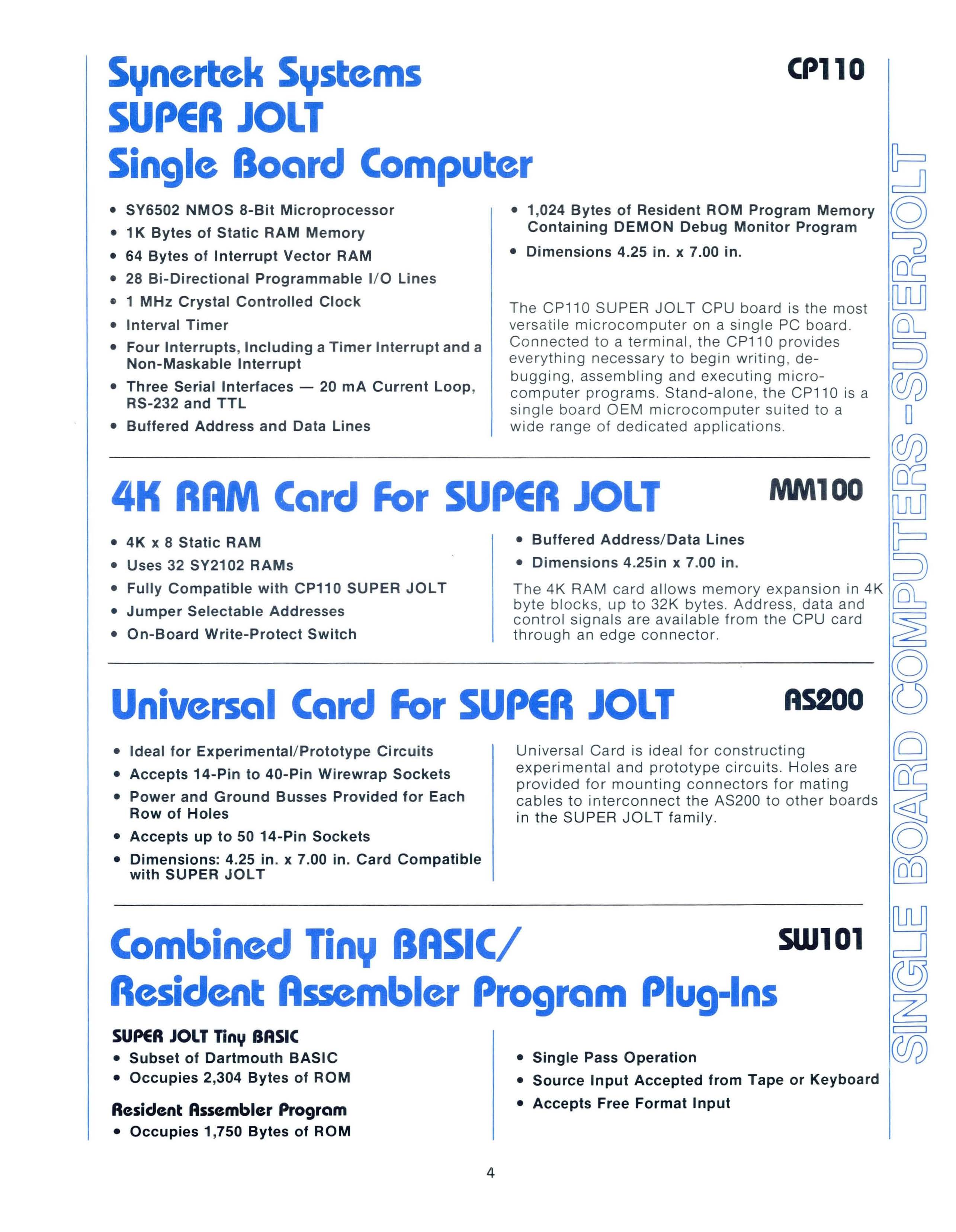
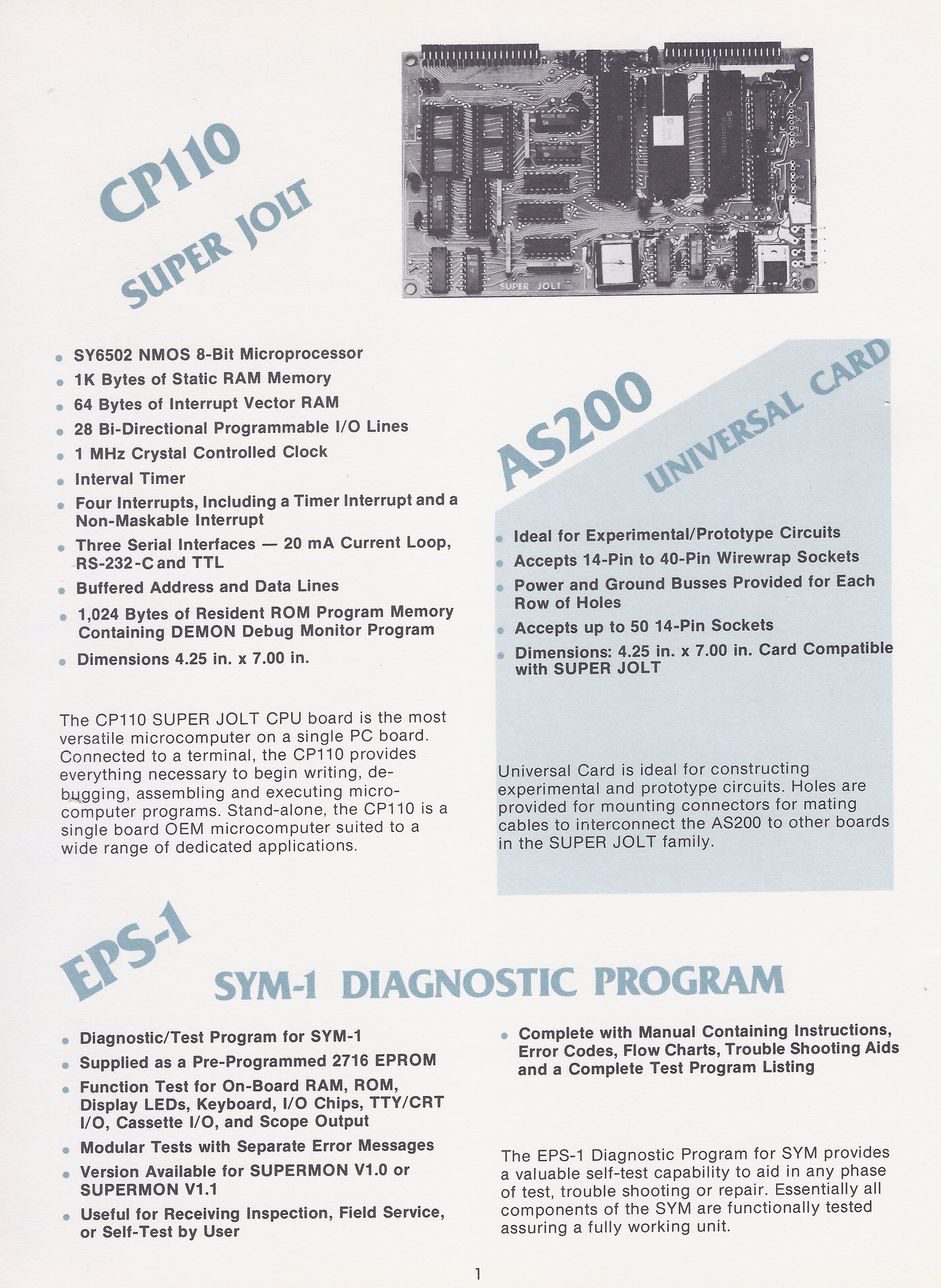
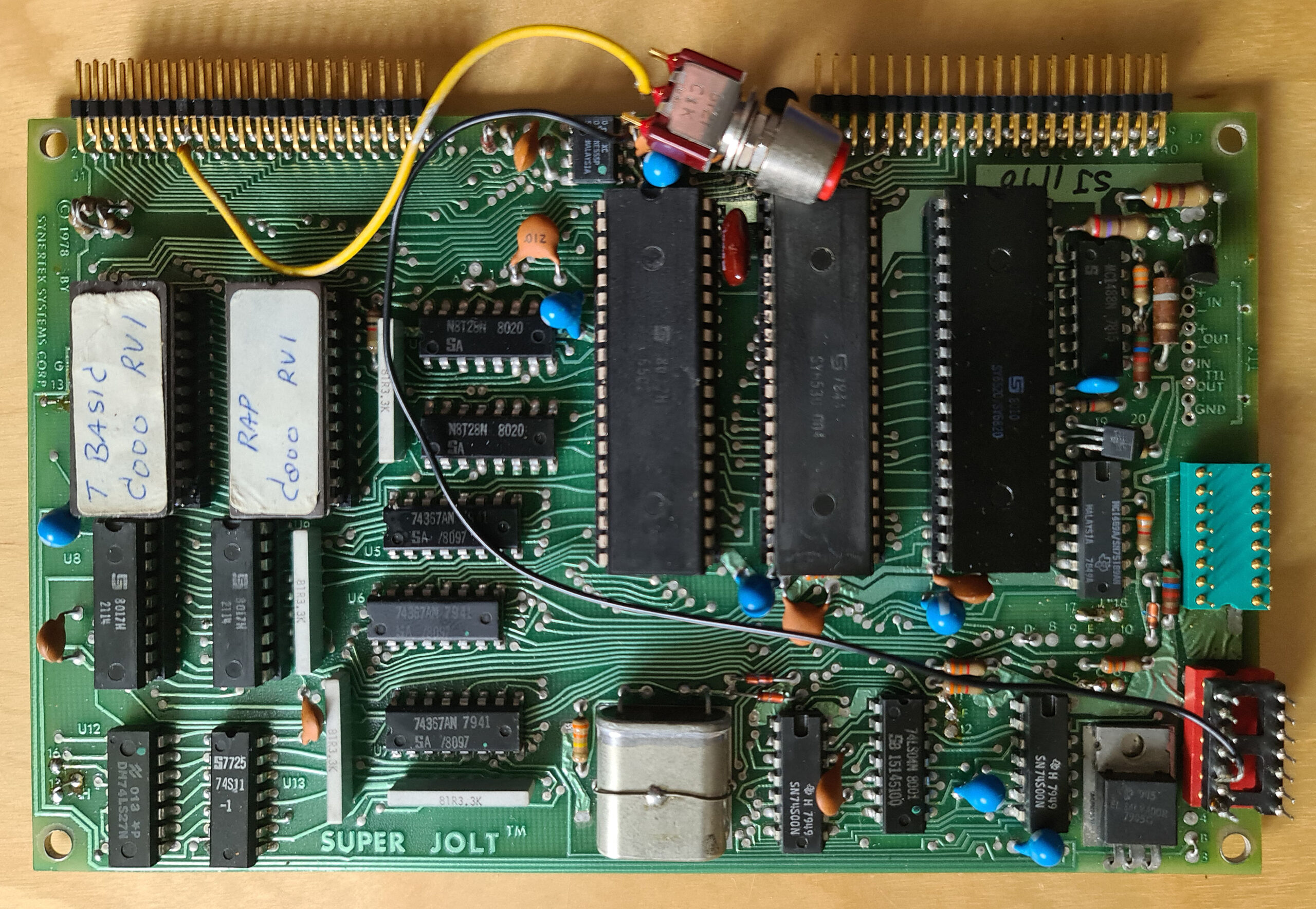
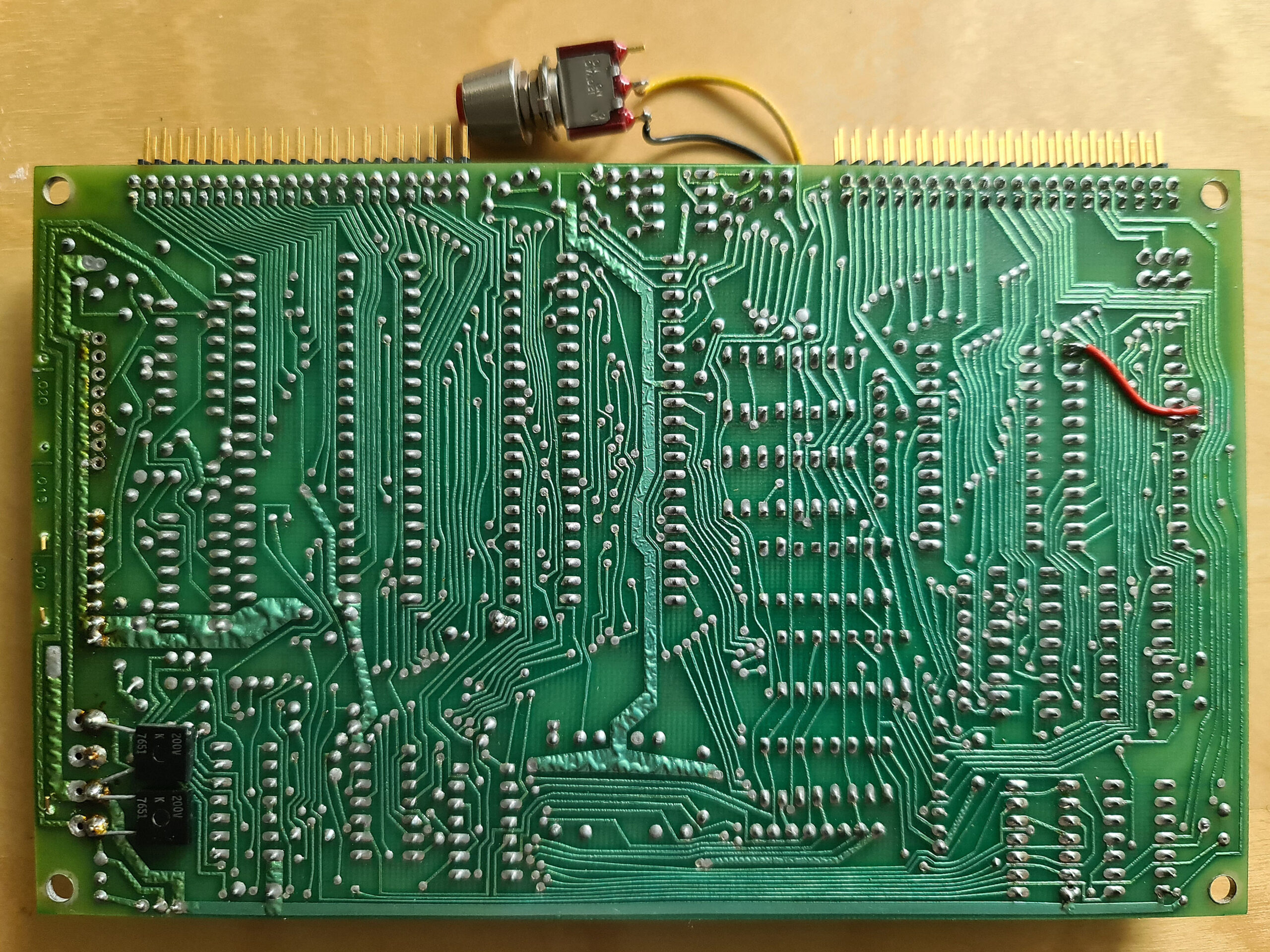
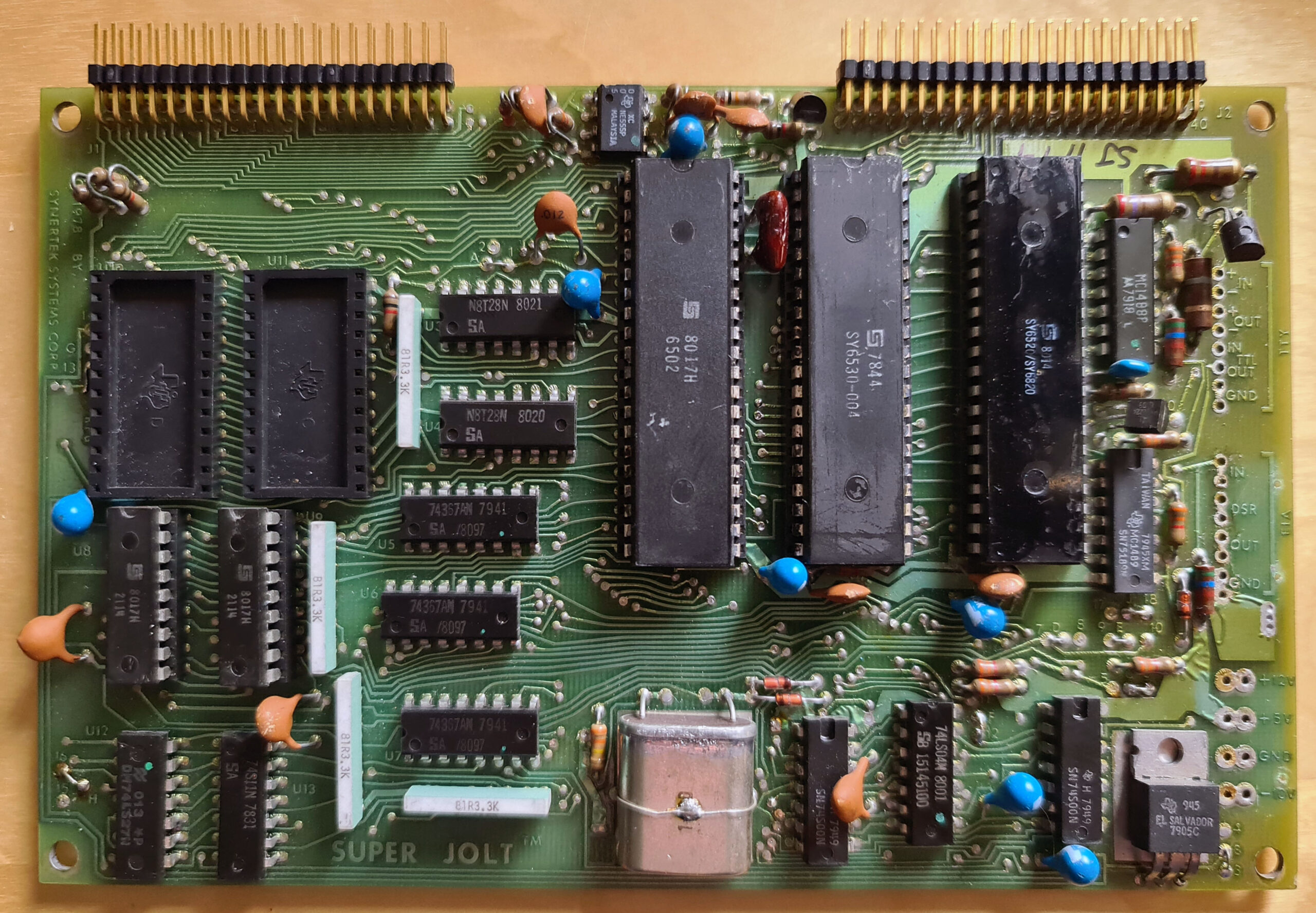
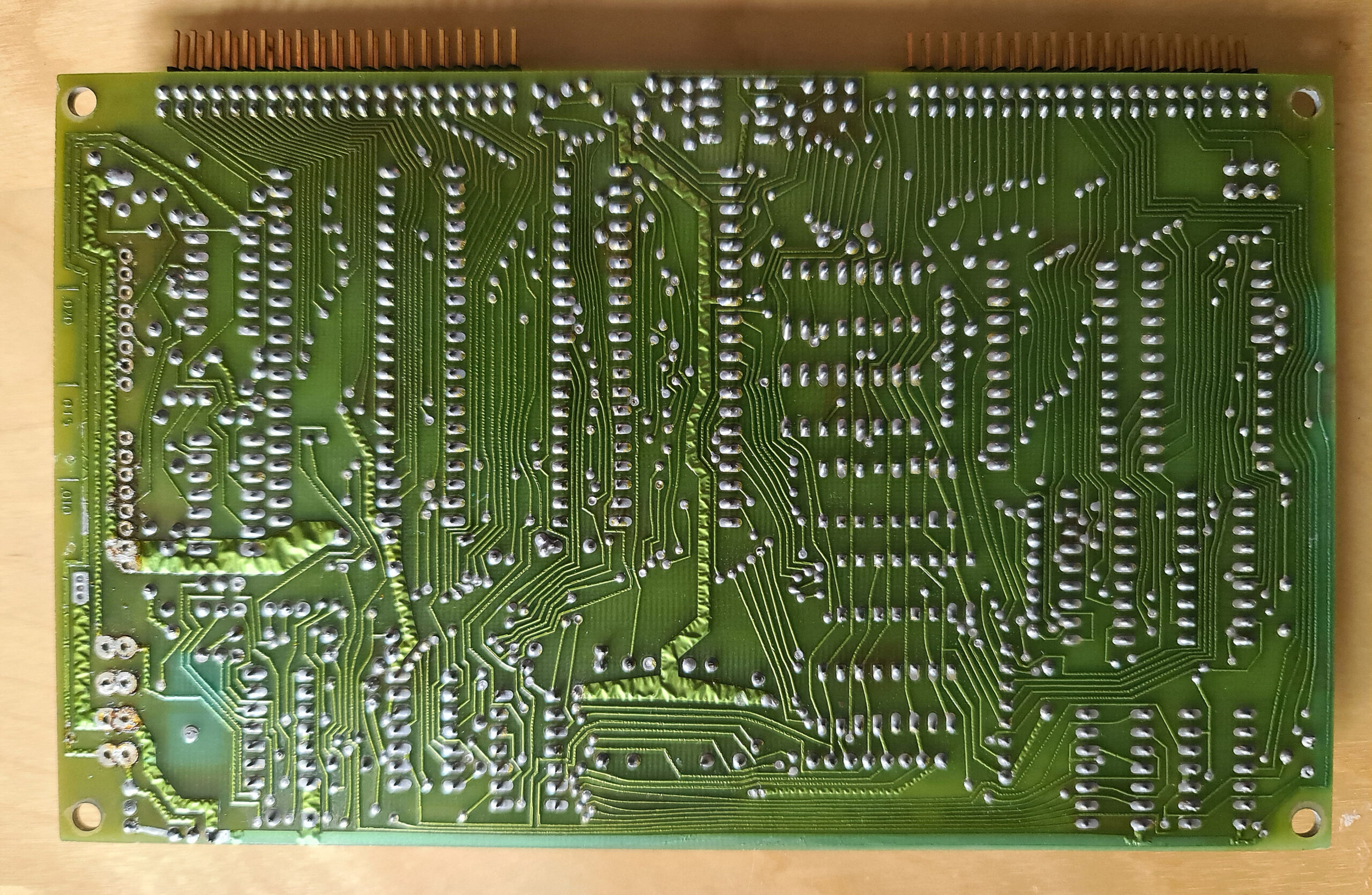
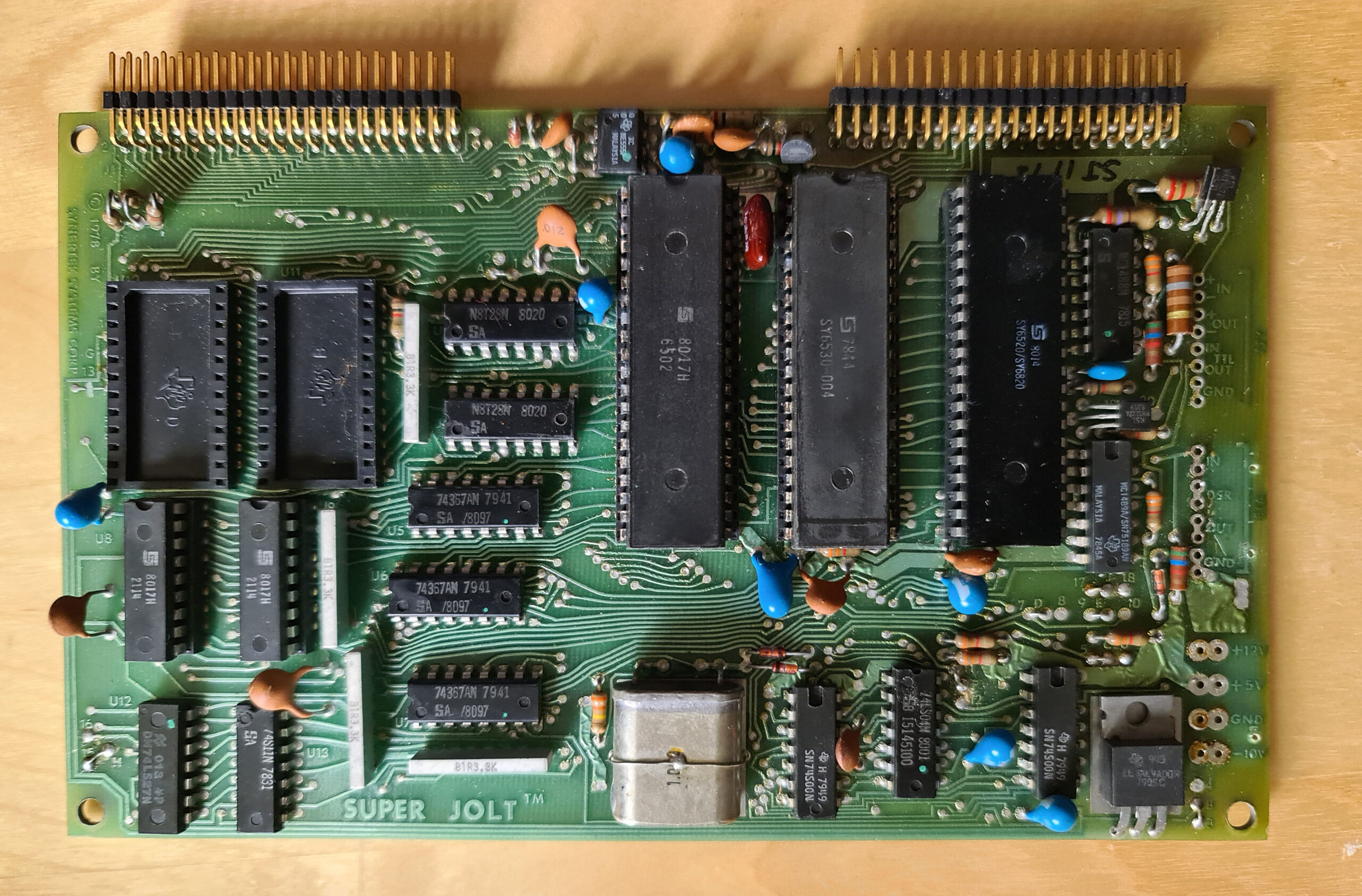
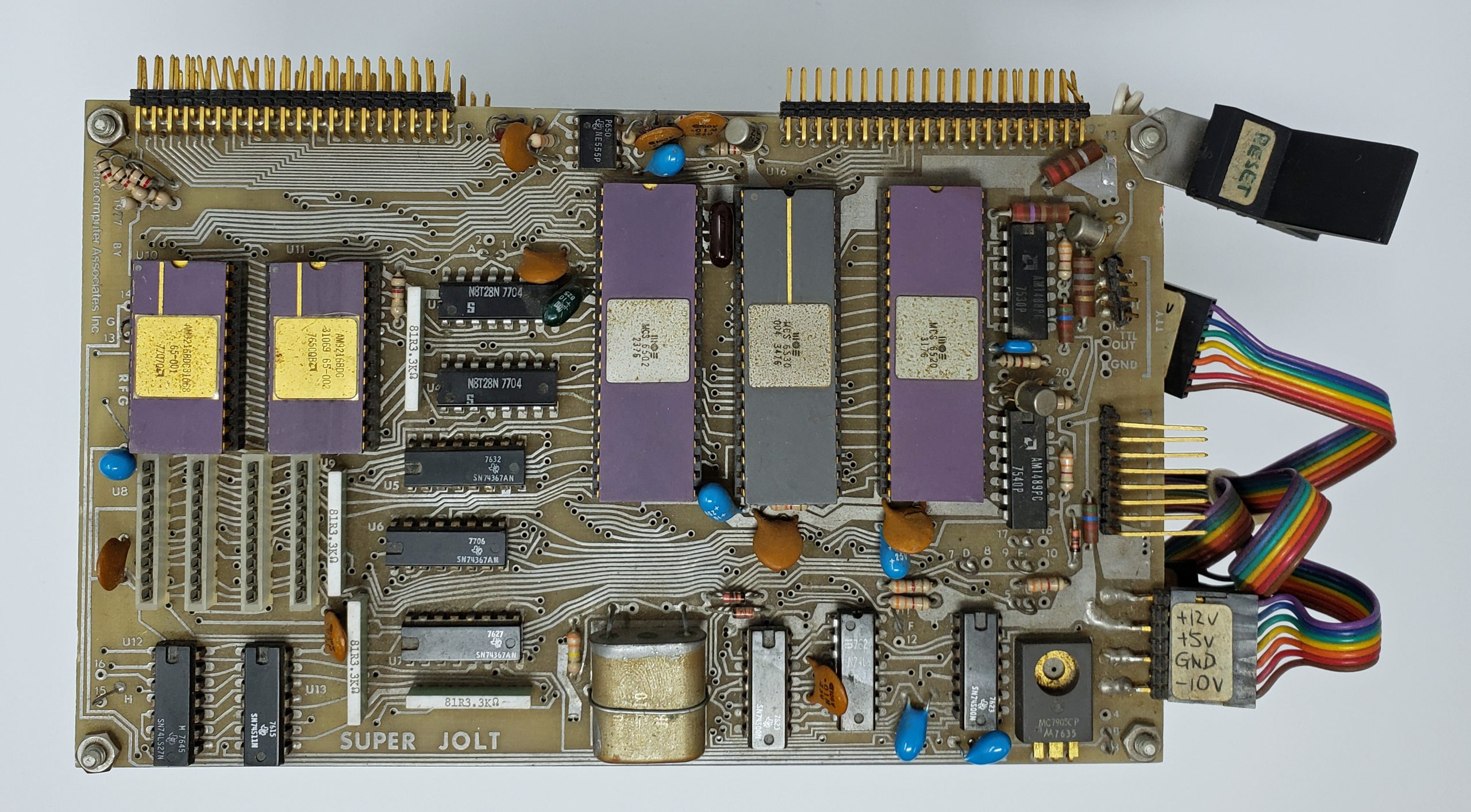
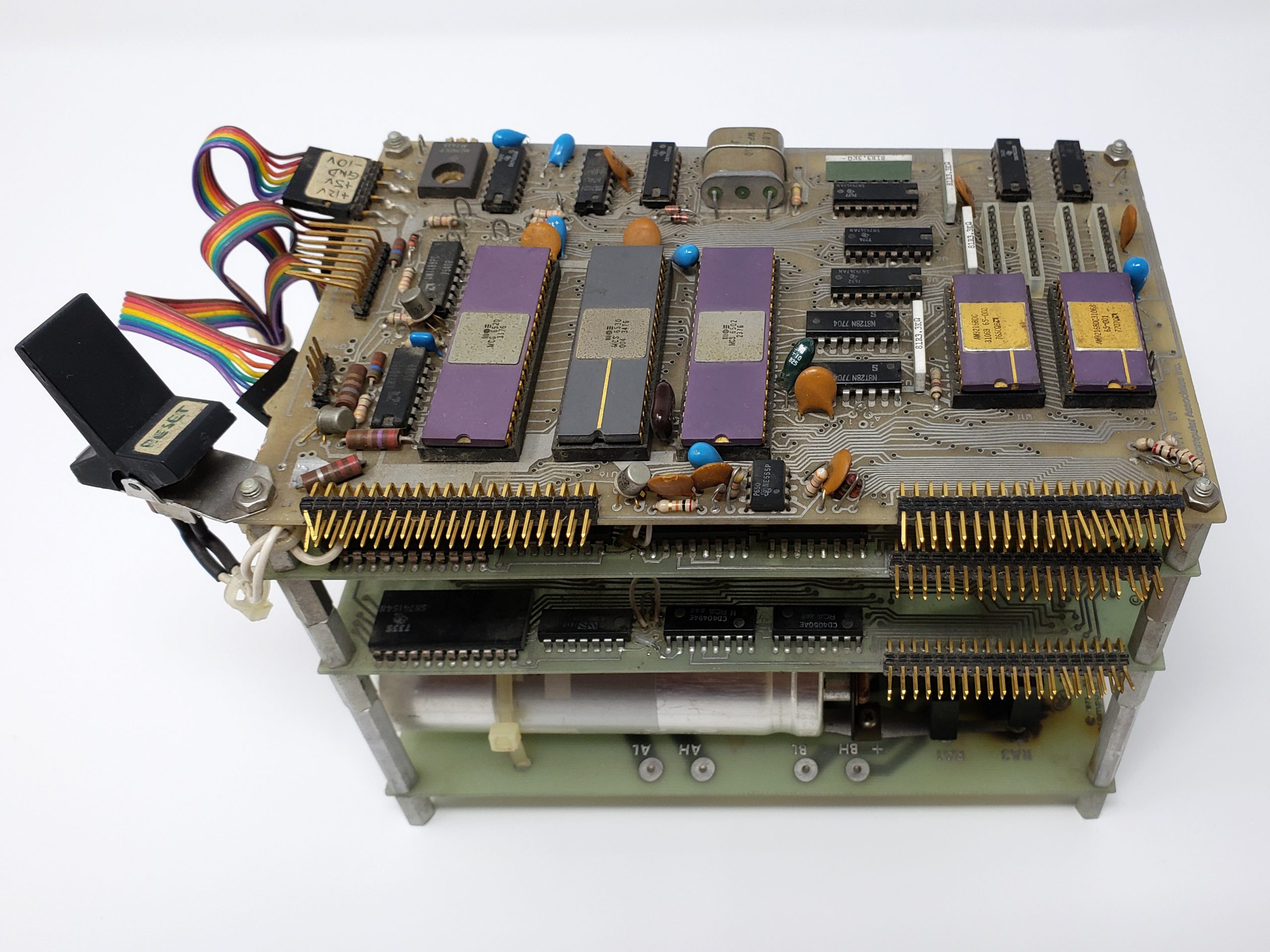
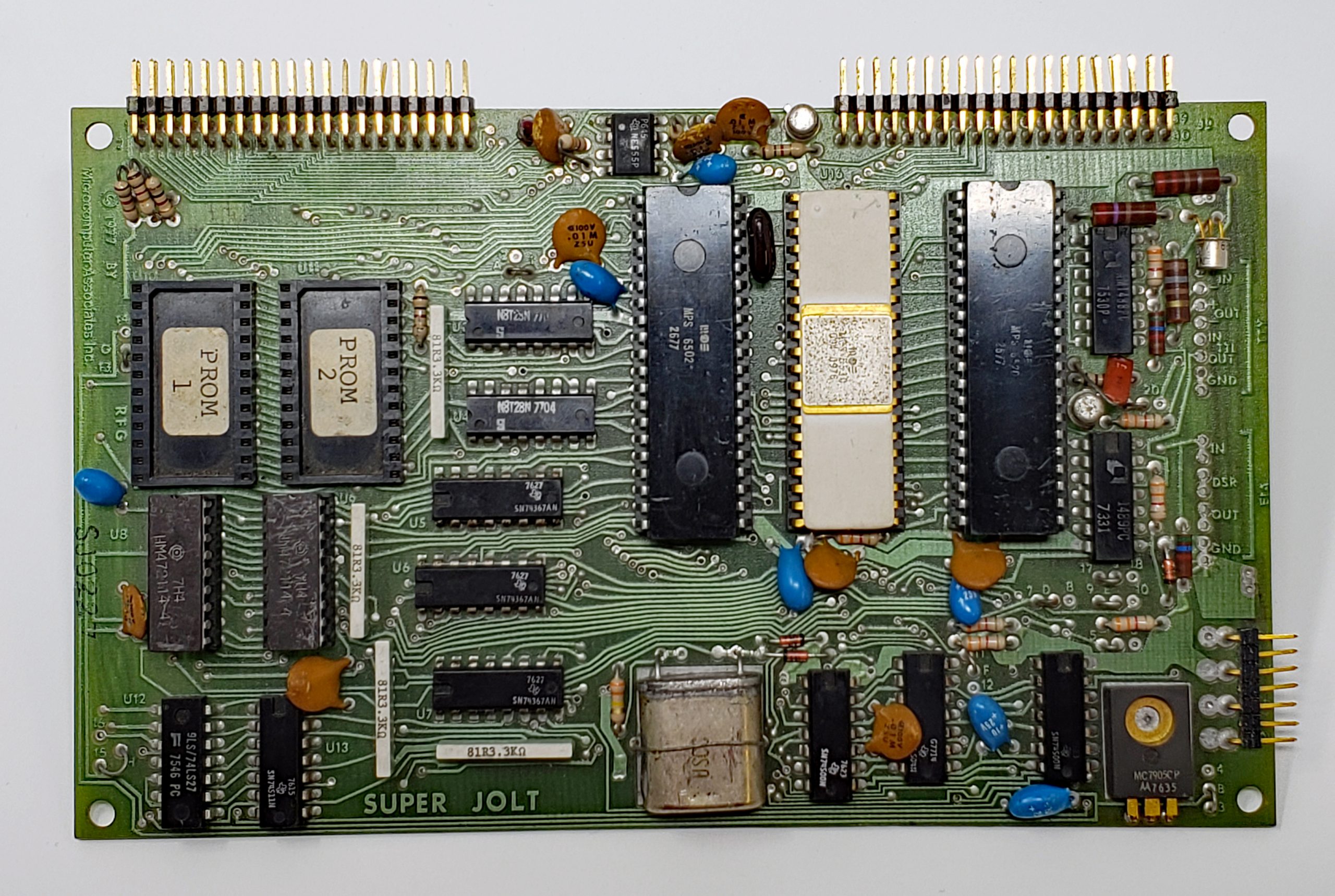
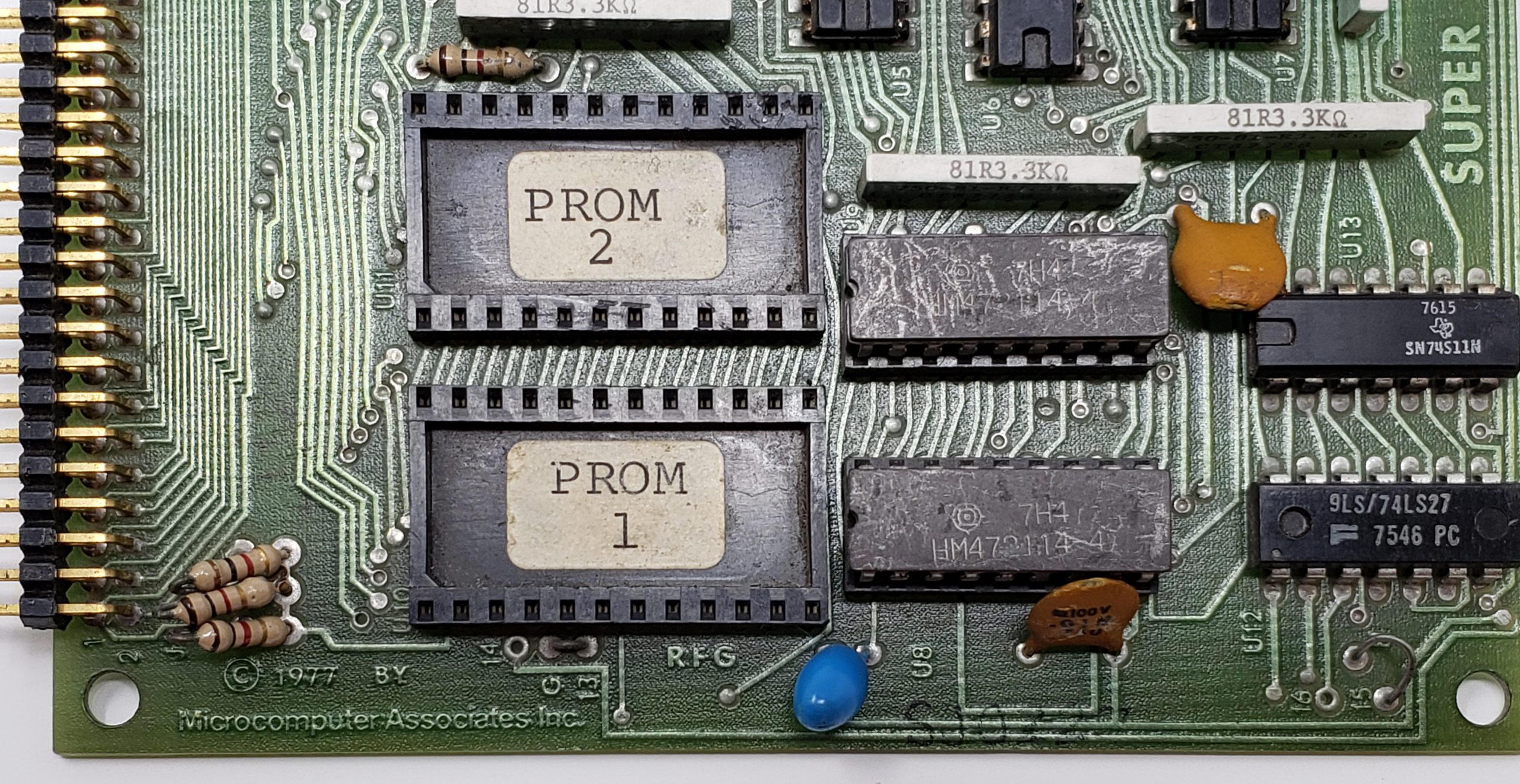
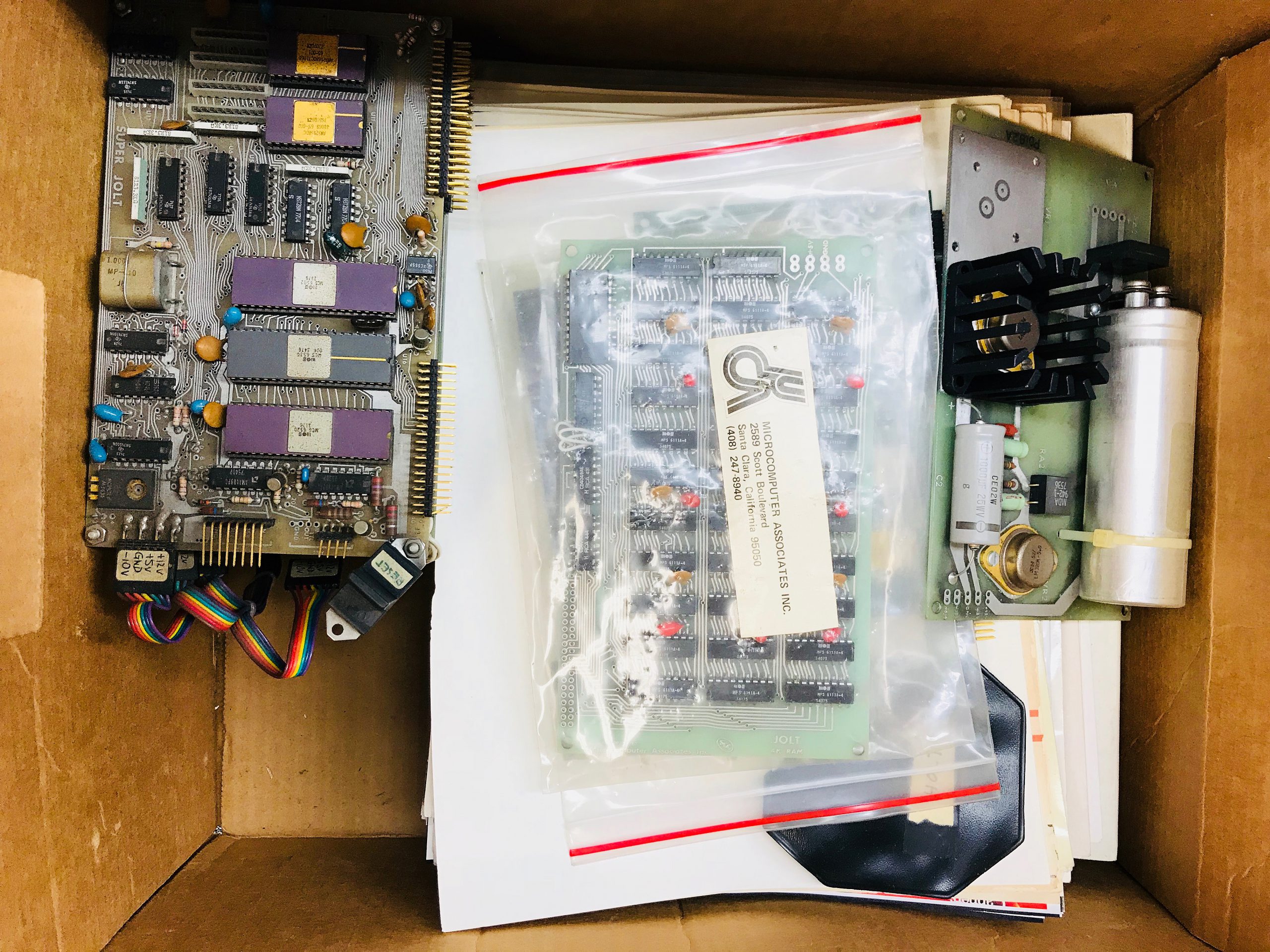
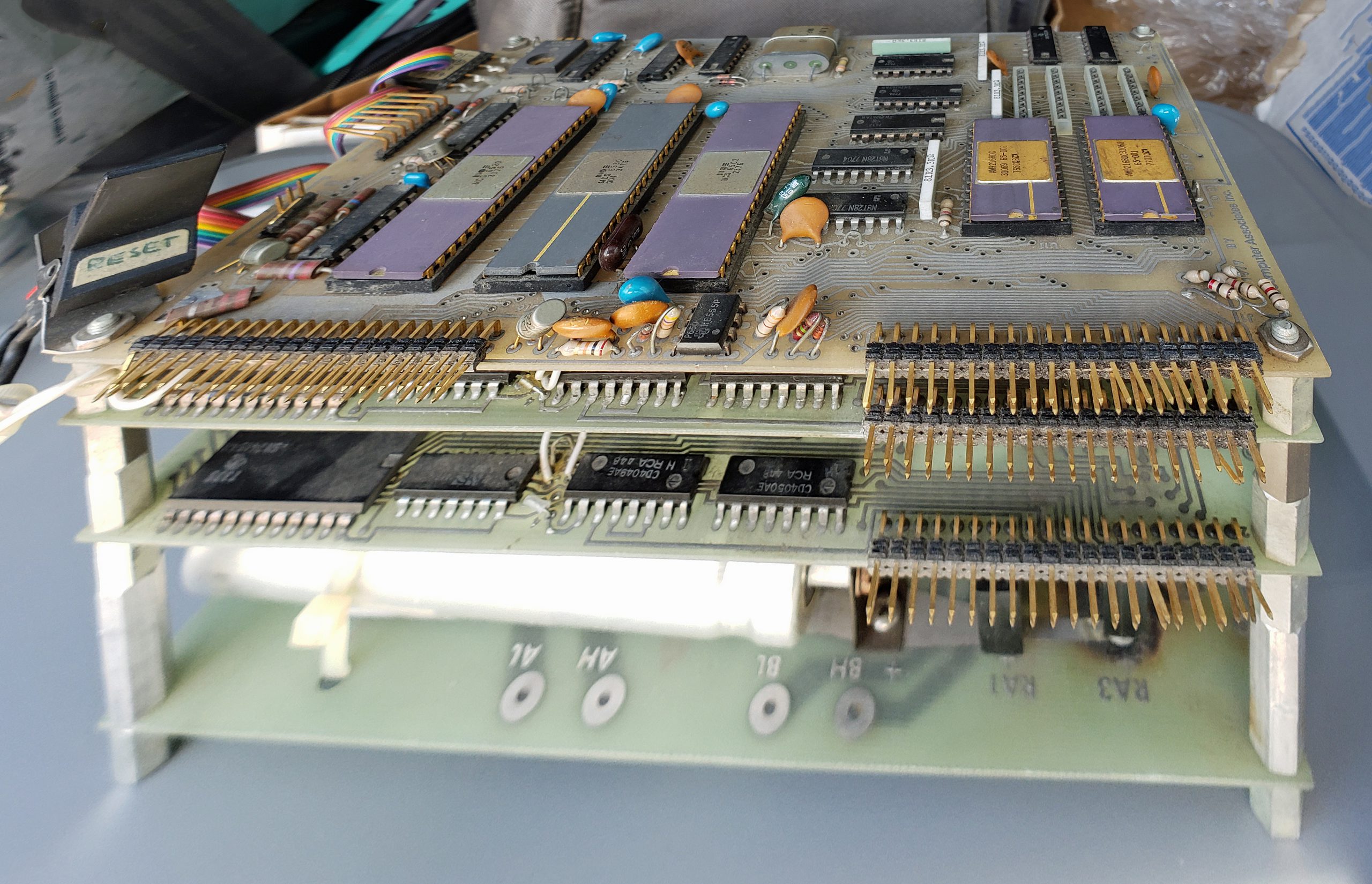
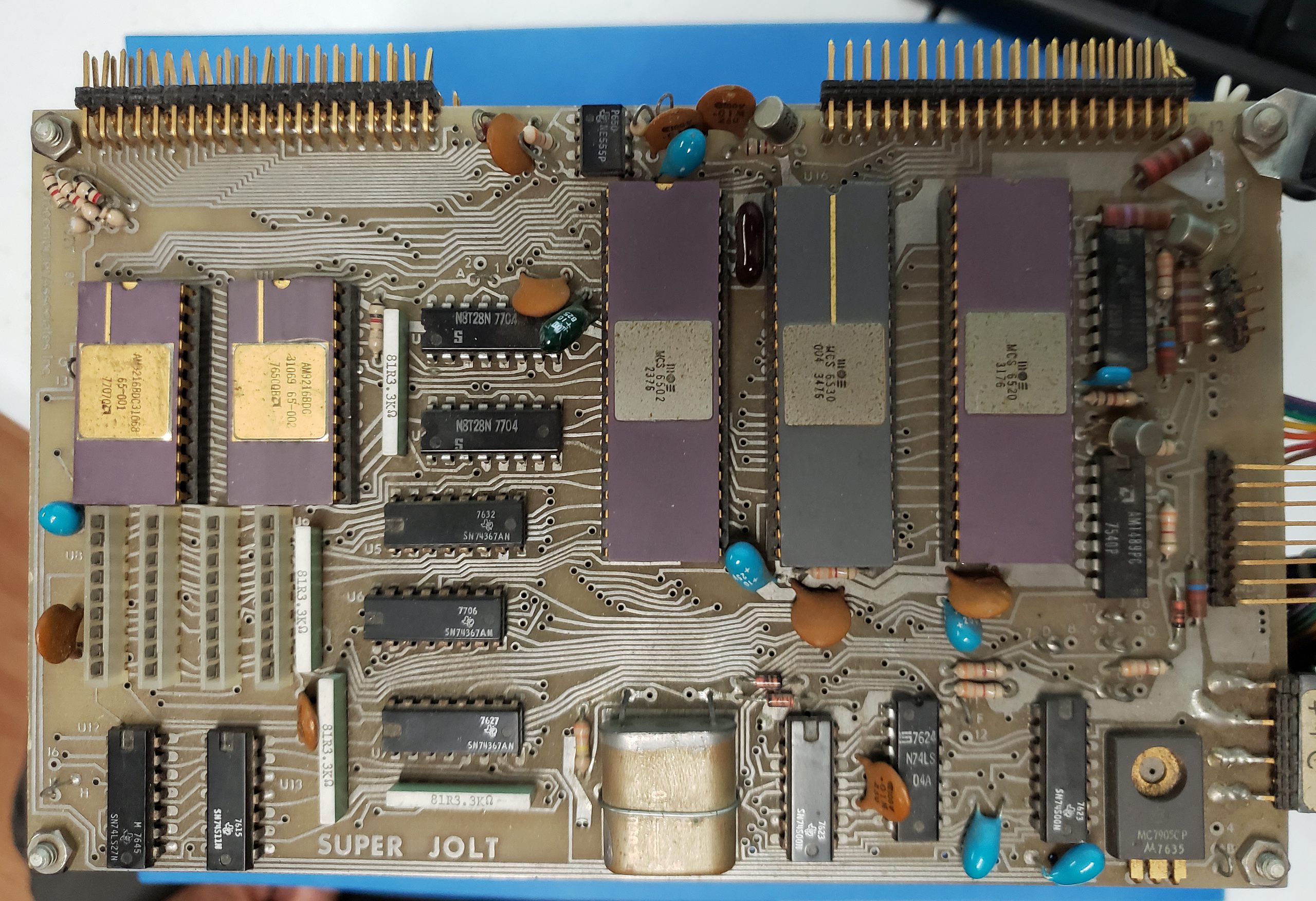
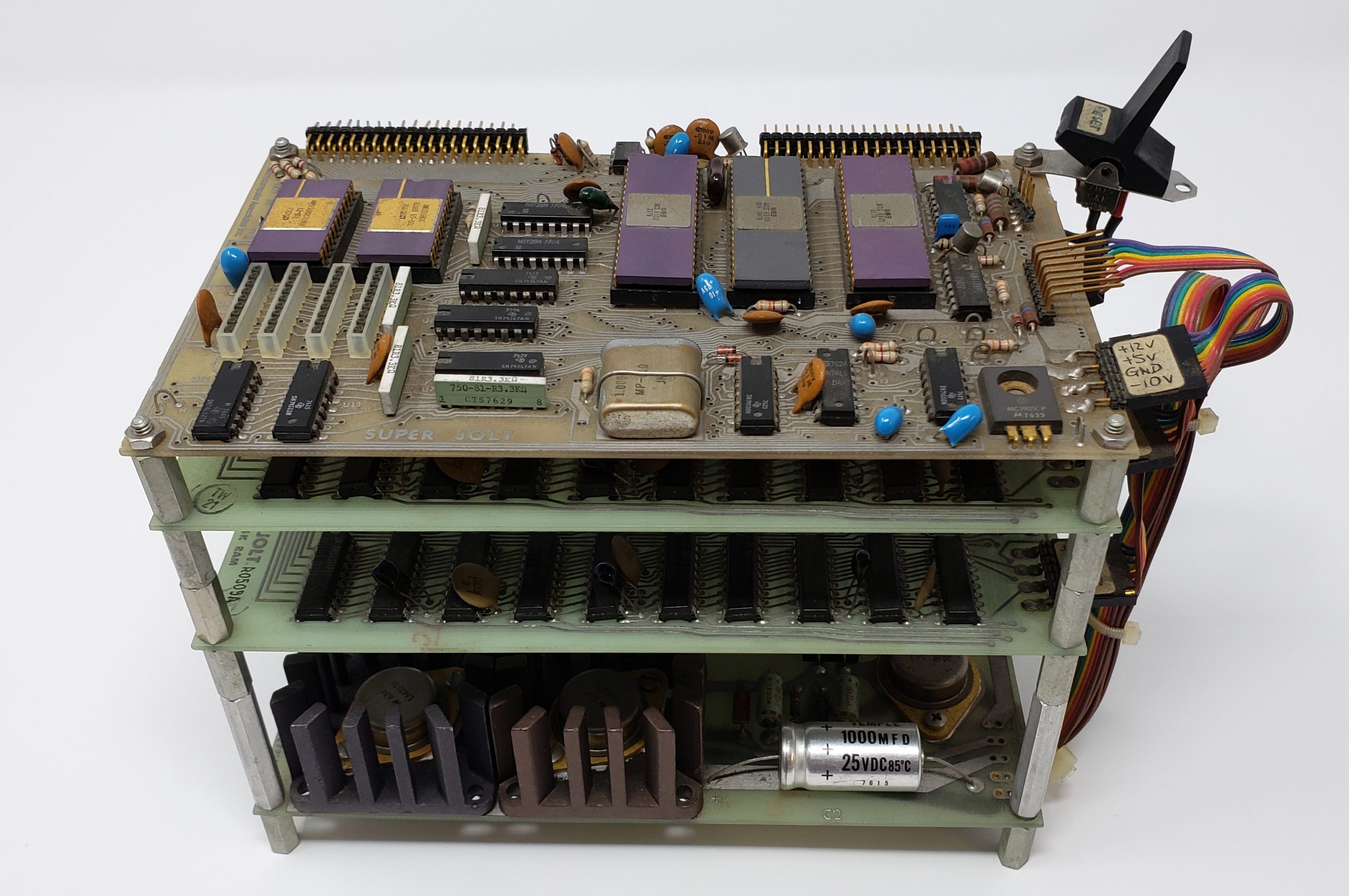
The Super Jolt is a evolution of the JOLT. Same CPU, 1 MHz clock, same TIM IC, same PIA, more RAM (1K), sockets for PROMS, RAP (Resident Assembler Program) and Tiny Basic (of Tom Pittman Itty Bitty Computers) in ROM.
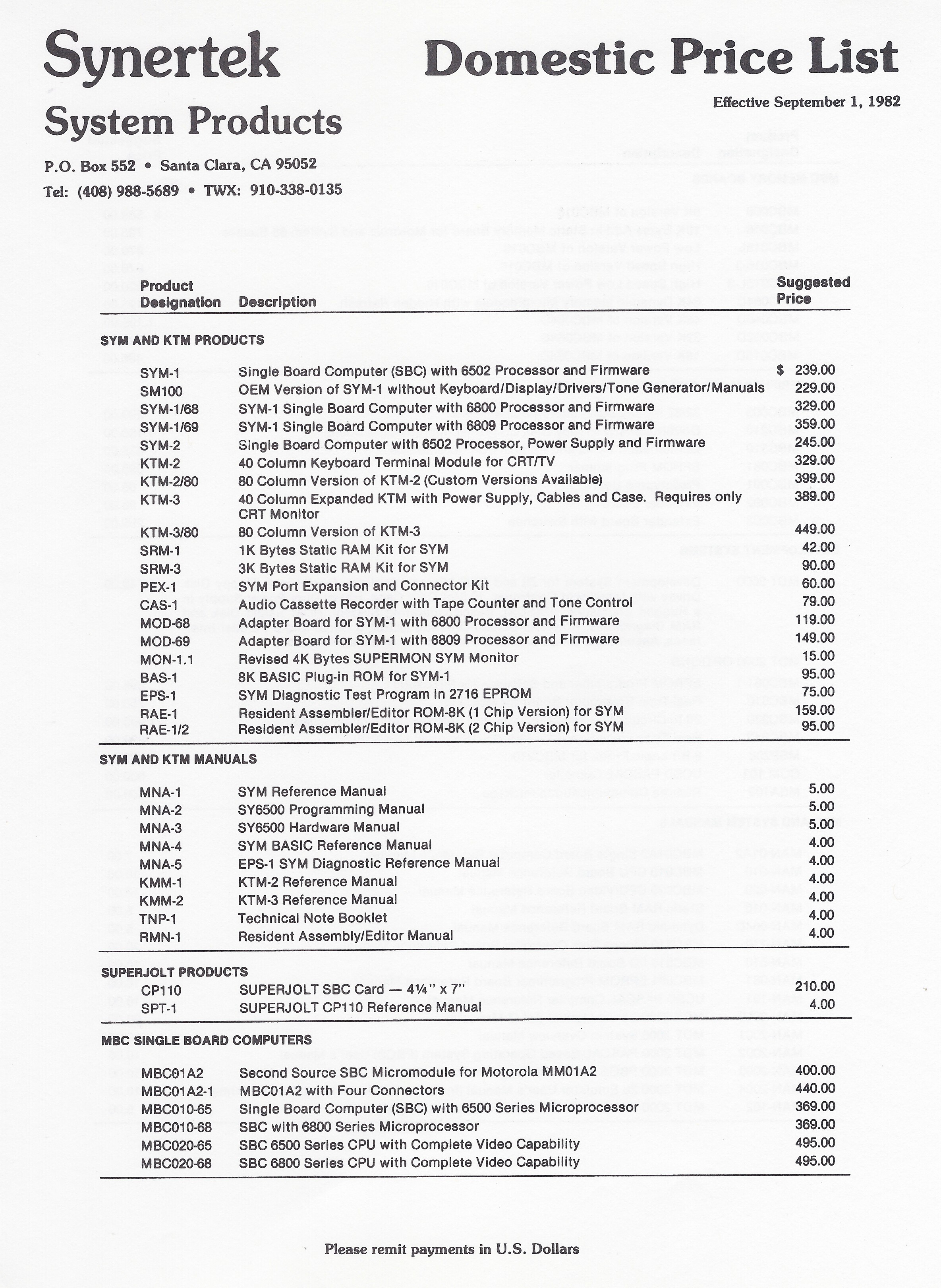
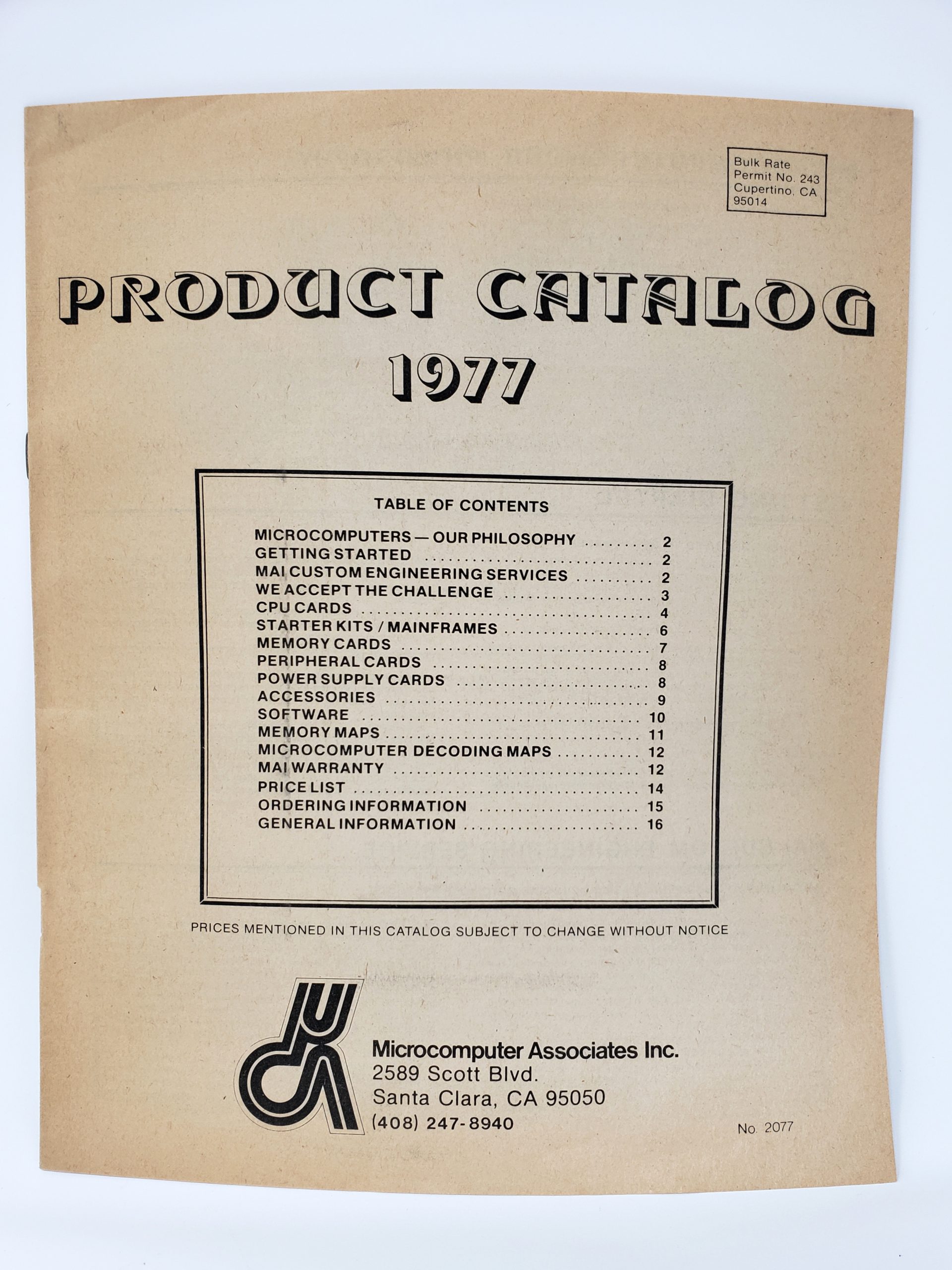
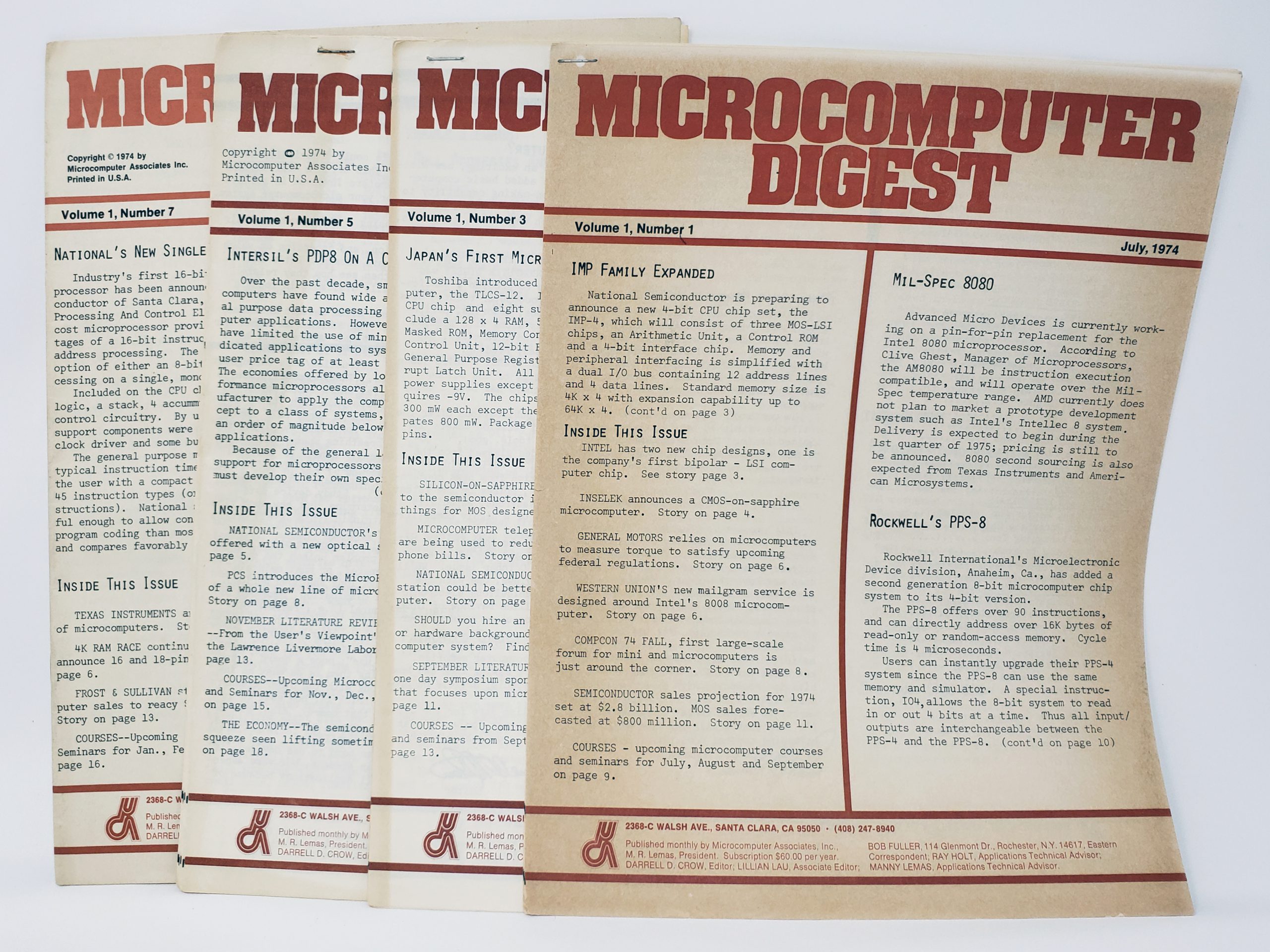
Sold under the name CP110 by Synertek in 1985. Microcomputer Associates had become the core of Synertek Systems and in the next years produced the SYM SBC’s.
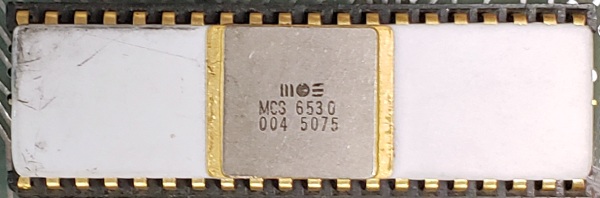
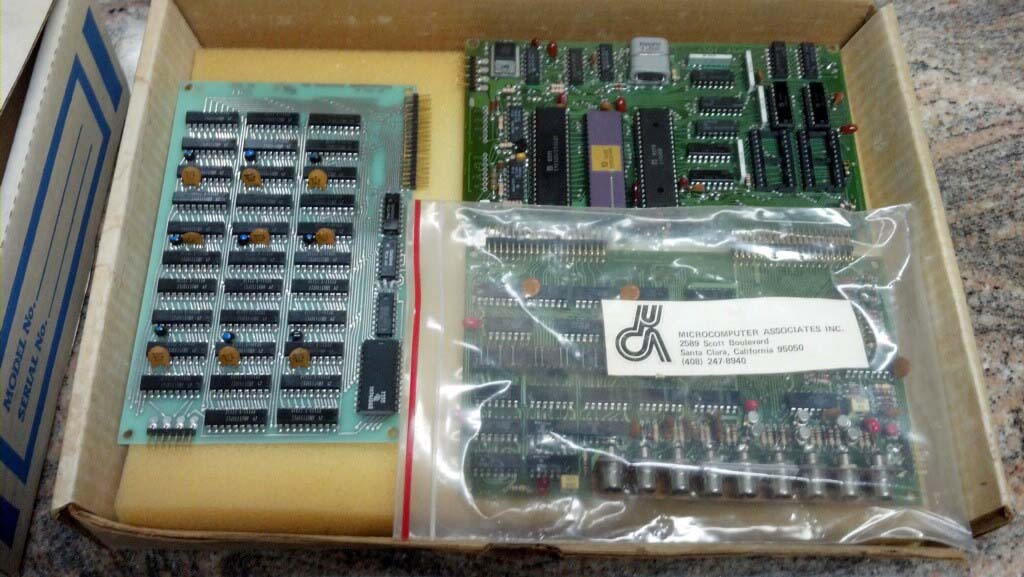
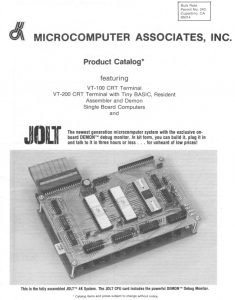
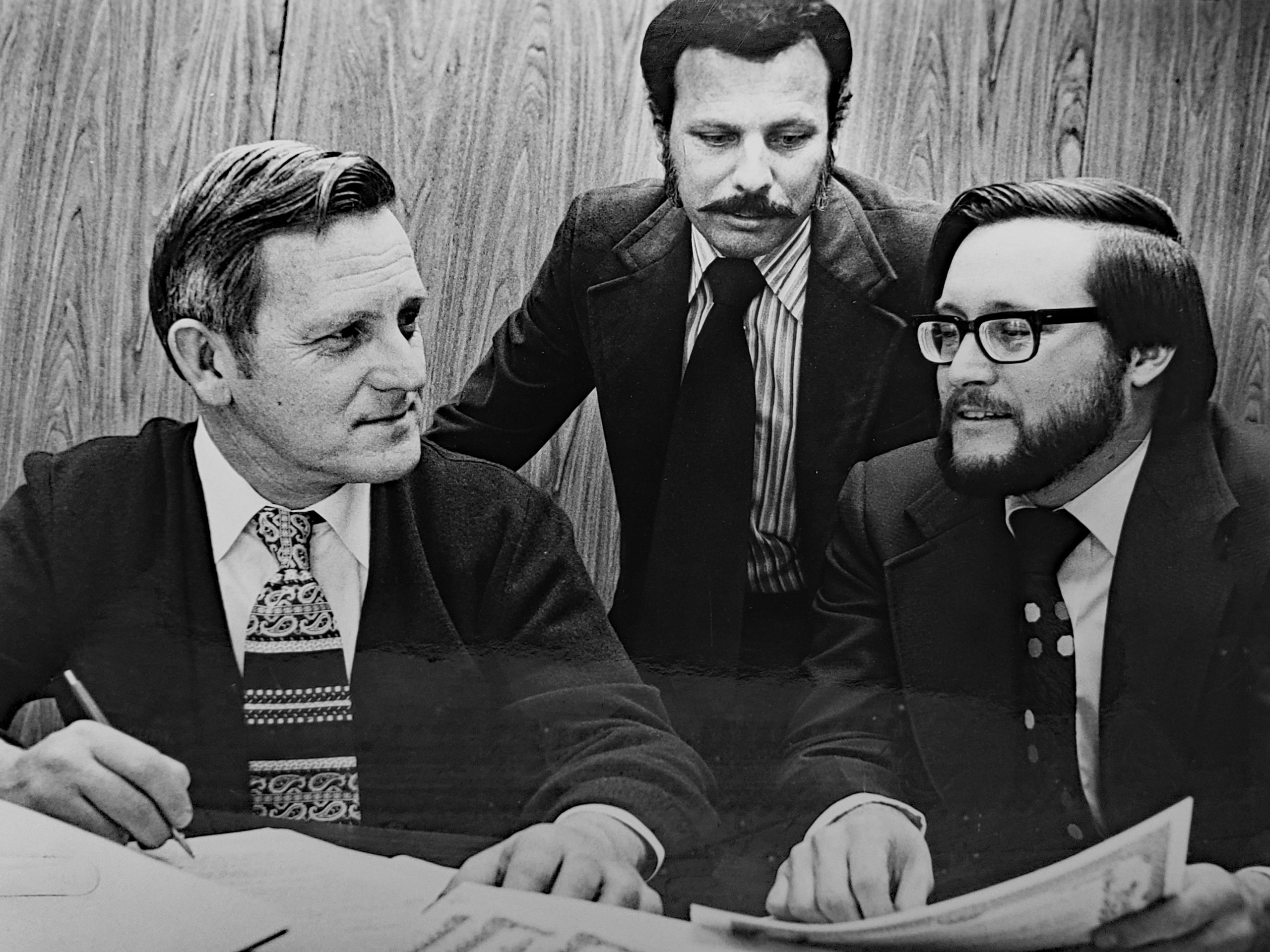
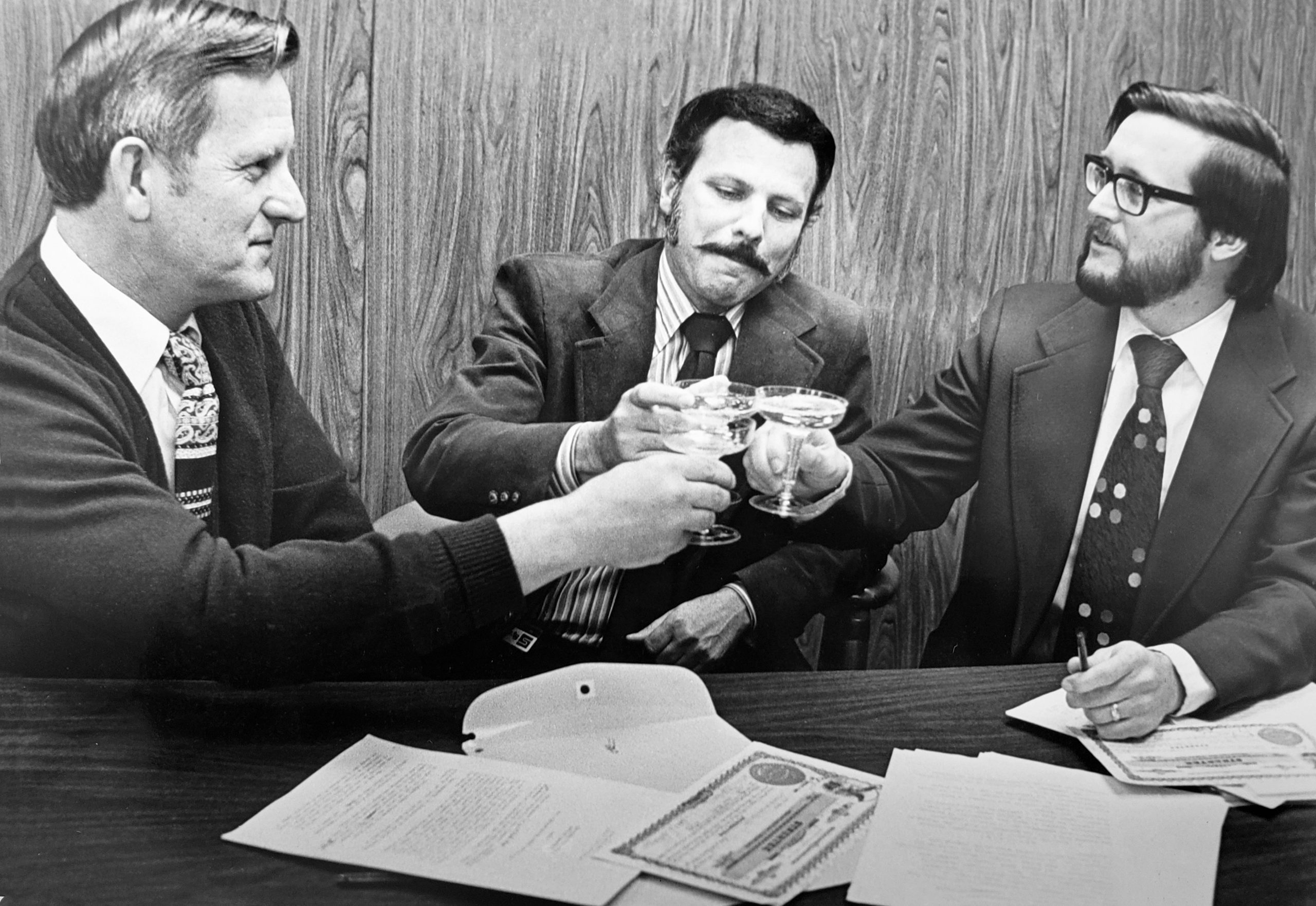
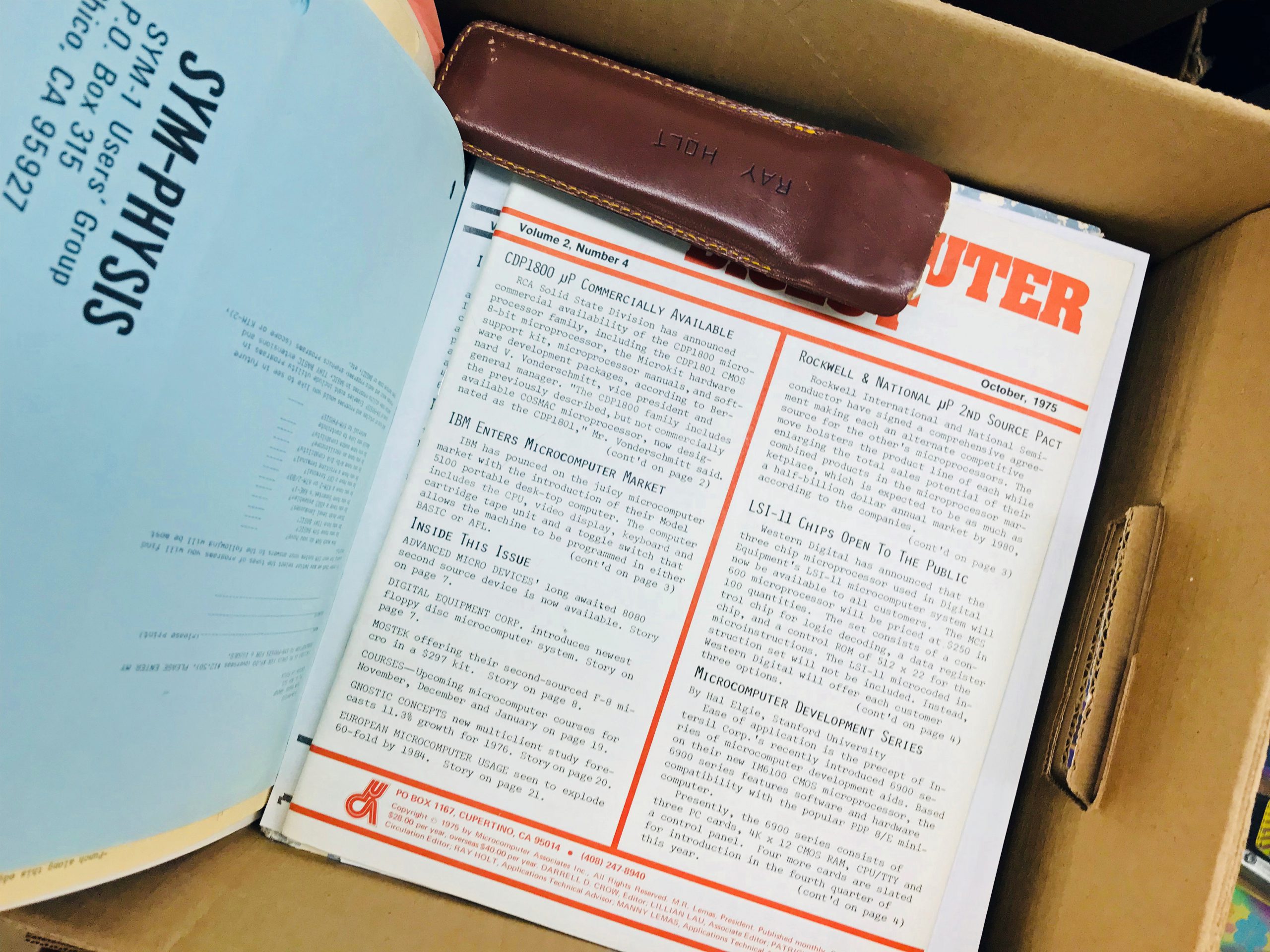
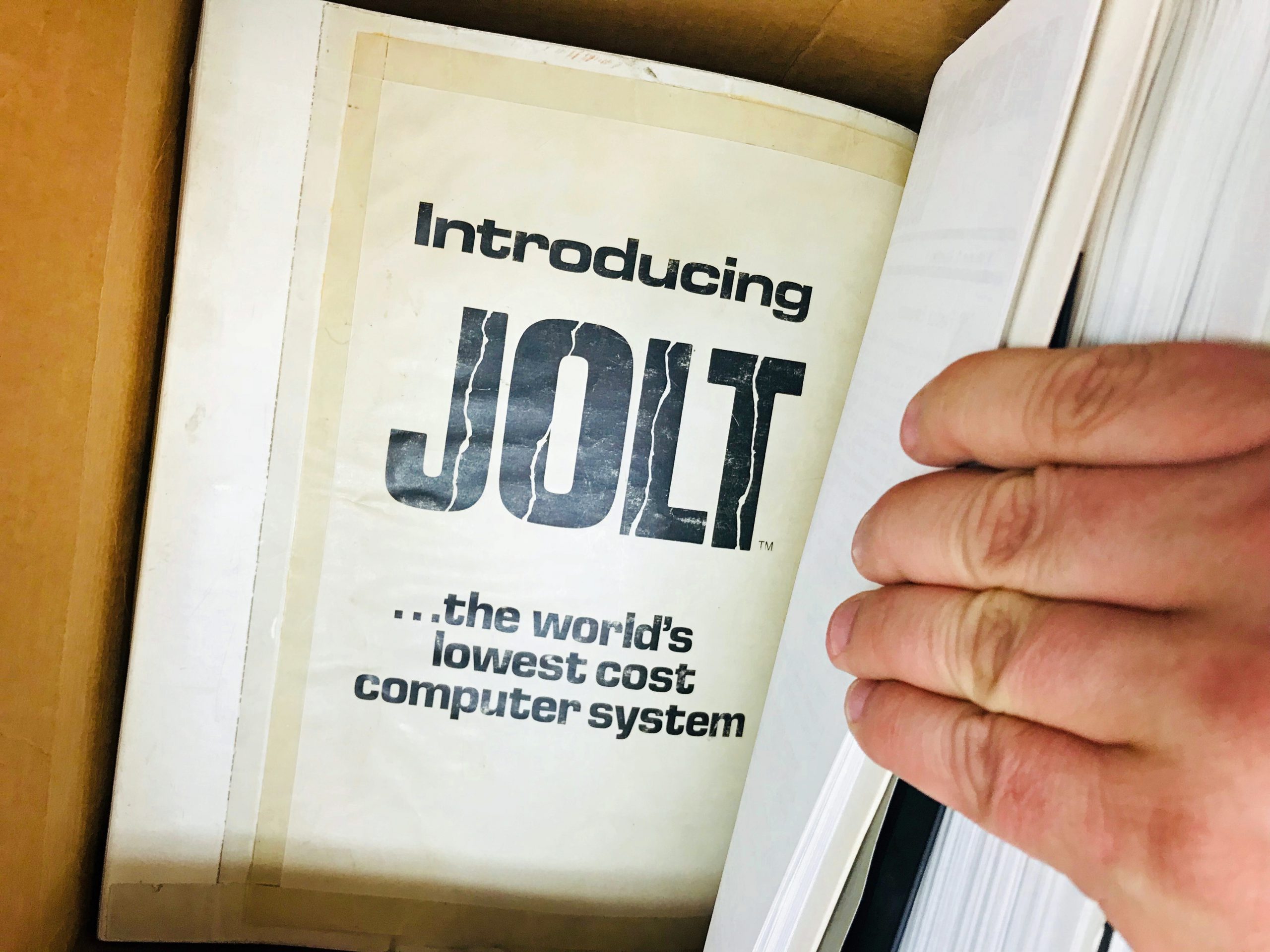
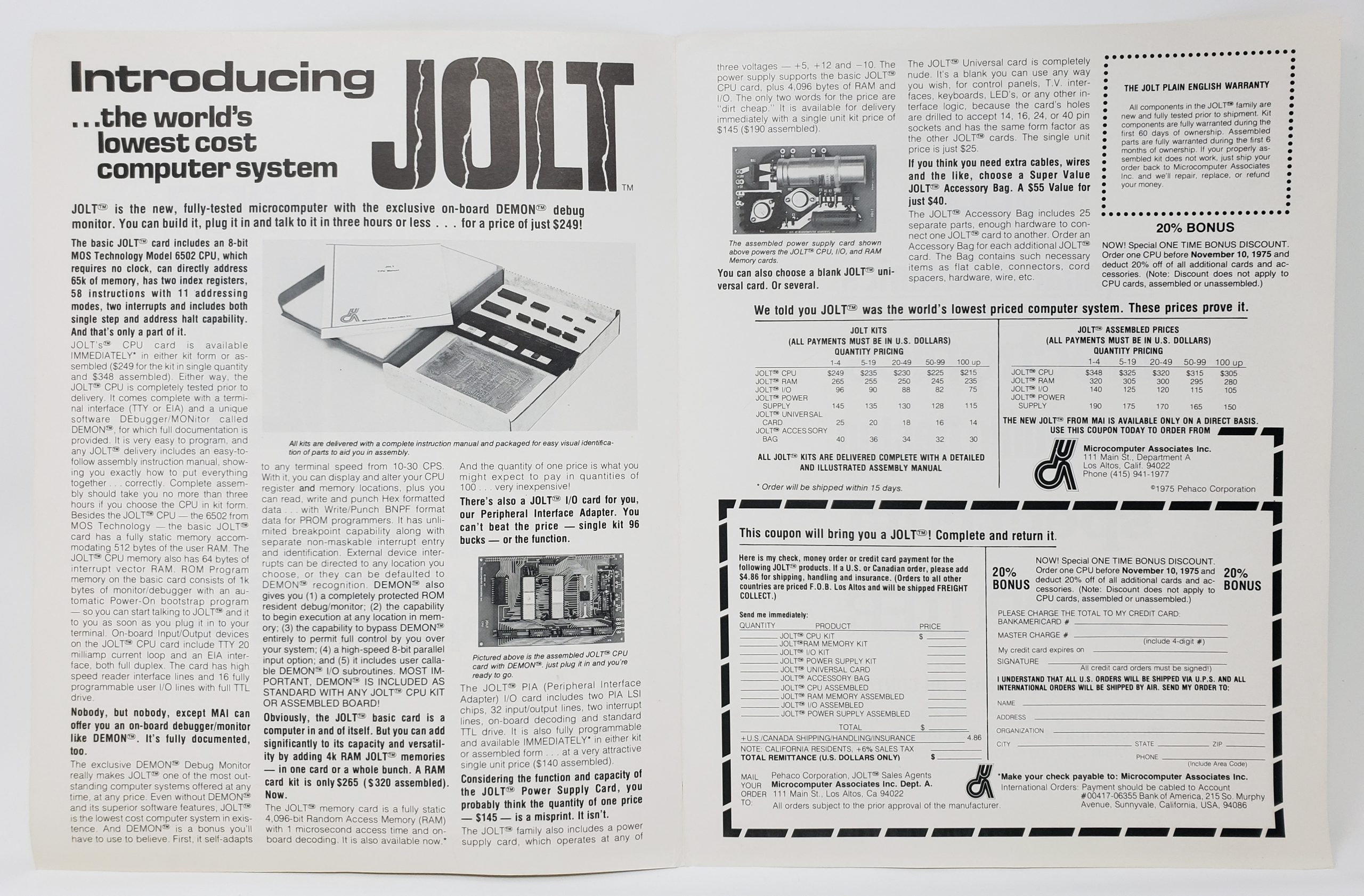
Jolt was designed and developed by Ray Holt, Founder and Executive Vice-President of Microcomputer Associates. Holt went on to design the SYM-1 single-board computer, a KIM-1 clone. Manny Lemas was the co-founder of Microcomputer Associates, Inc. Ray Holt was the hardware side and he was the software side of the business. He wrote the DEMON (Debugger/Monitor) software for the JOLT. This software was actually developed for MOS Technology for use in the TIM chip and the KIM-1 single board computer. M.A.I. was granted rights to its own version of the software for use in the JOLT, so they used the TIM 6530-004 IC!
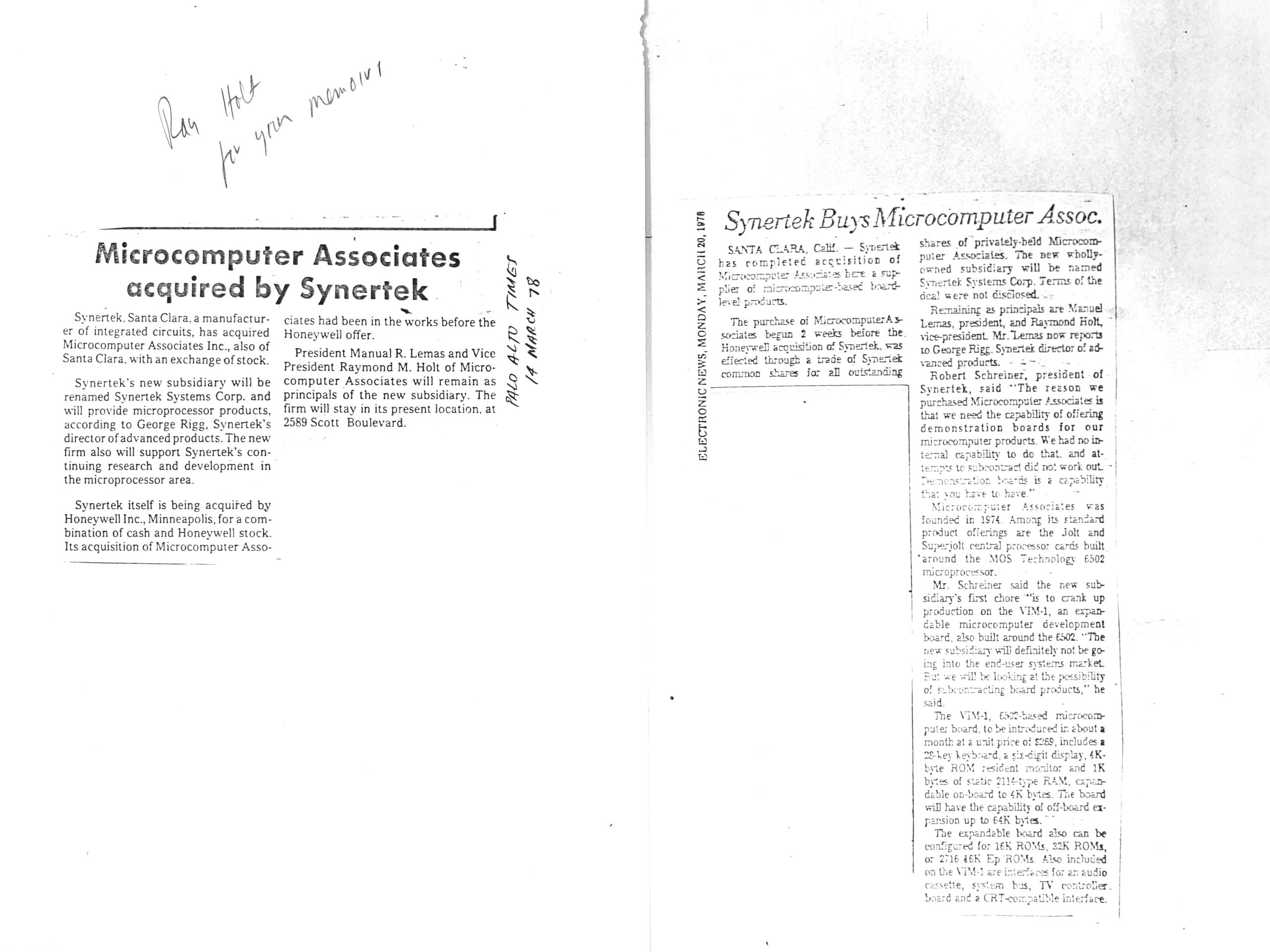
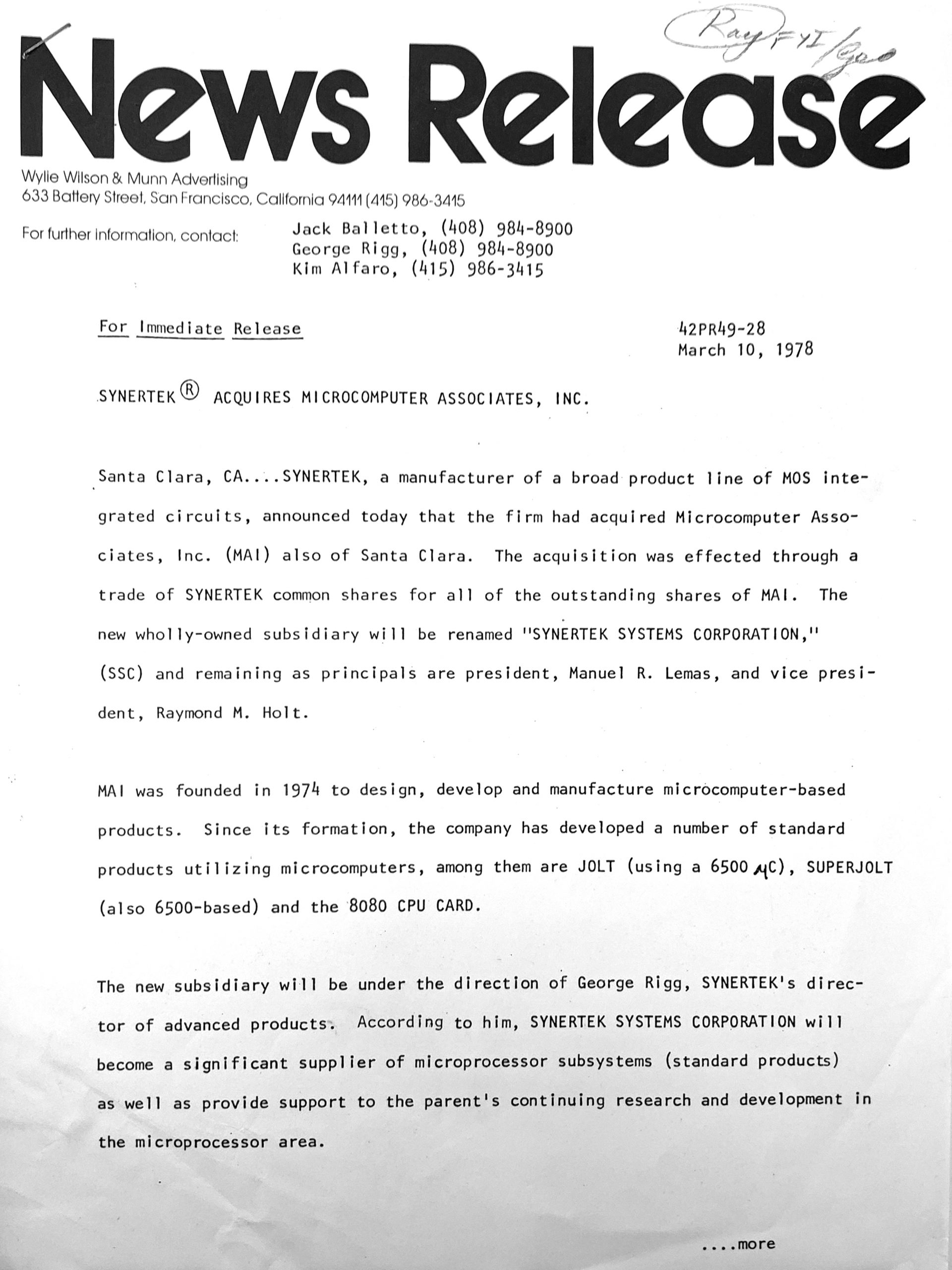
The Jolt microcomputer was released in 1975 by Microcomputer Associates. The company was founded by Ray Holt and Manny Lemas. The company was later acquired by Synertek, a second source manufacturer of the 6502, and renamed Synertek Systems. Synertek went on to produce the popular SYM-1 microcomputer. Ray Holt’s business partner was Hispanic and he used to call Ray “Jolt” which is the reverse-anglicized spelling of the word HOLT if written in Spanish. i.e “Jolt” in Spanish is pronounced “holt”. There were about 5000 JOLT units produced, first designed in 1974, far pre-dating the Apple I.
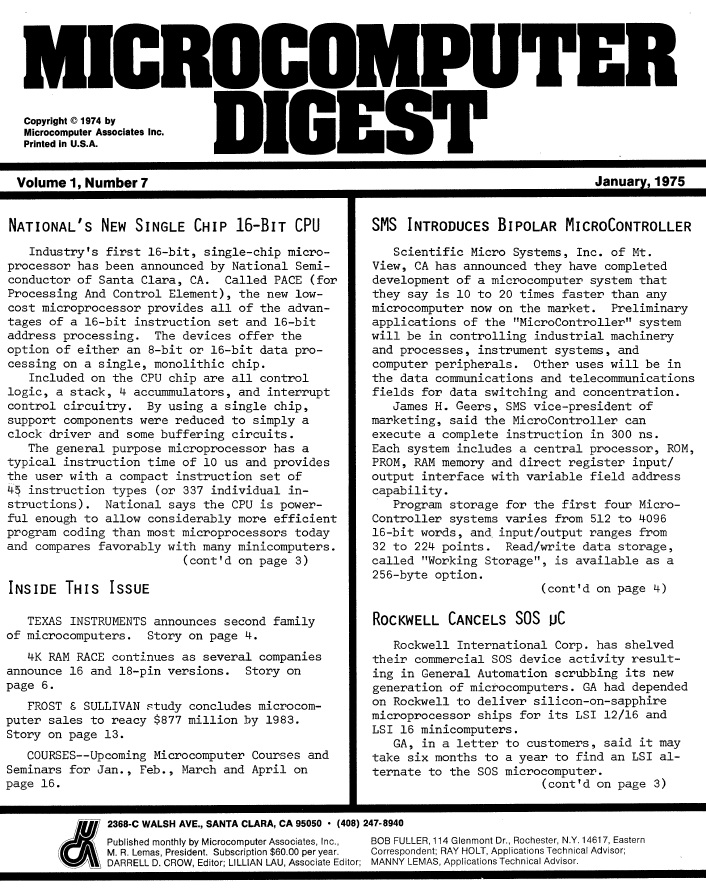
A newsletter was published, this one in PDF format is from 1977 and contains some Tiny Basic programs for JOLT and Super Jolt.
Synertek acquired Microcomputer Associates, Incorporated, consisting of engineers Manny Lemas and Ray Holt, after which it was renamed Synertek Systems, Inc. and established as a subsidiary. In 1978, Synertek Systems released a 6502-based single board computer/evaluation kit called the SYM-1, a derivative of MOS Technology/Commodore Semiconductor Group’s KIM-1. The Super Jolt was still sold by Synertek in 1985 (see the Super Jolt page).

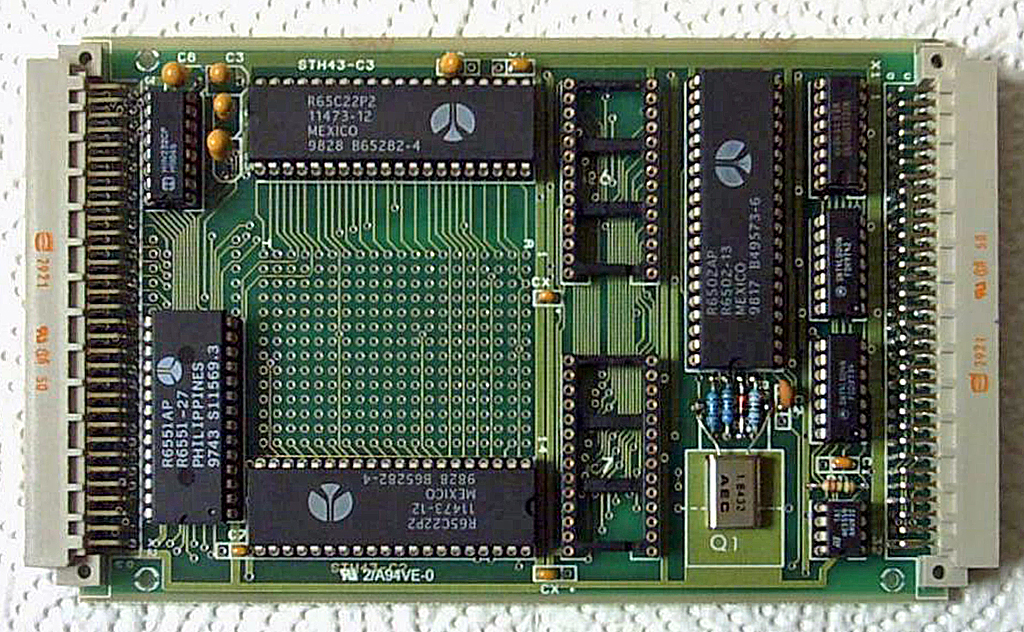
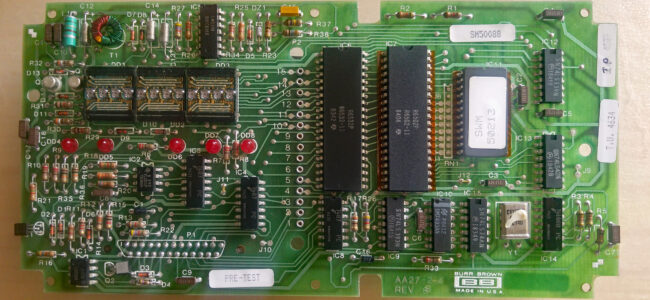
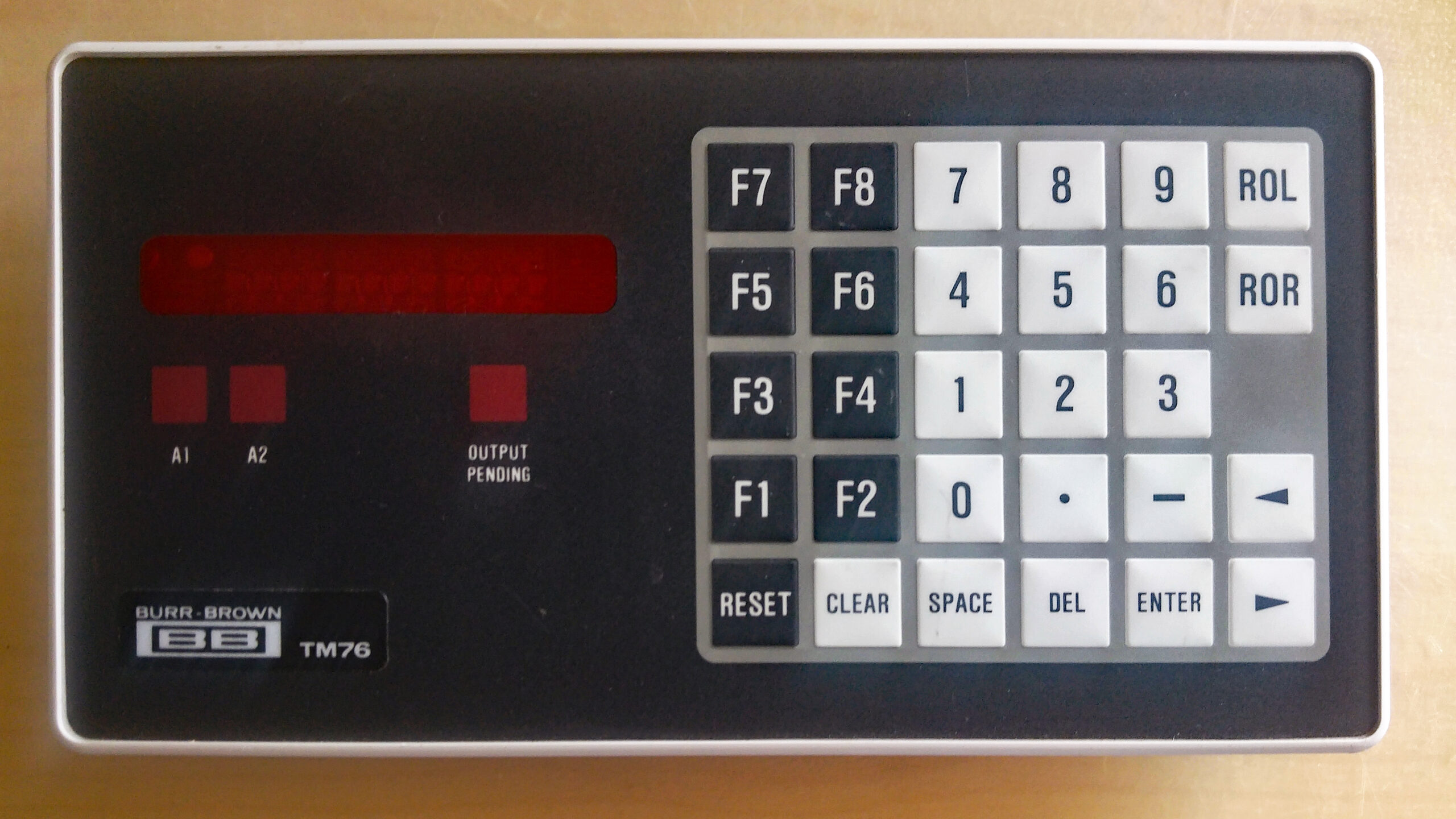
 TM70 and TM76 guide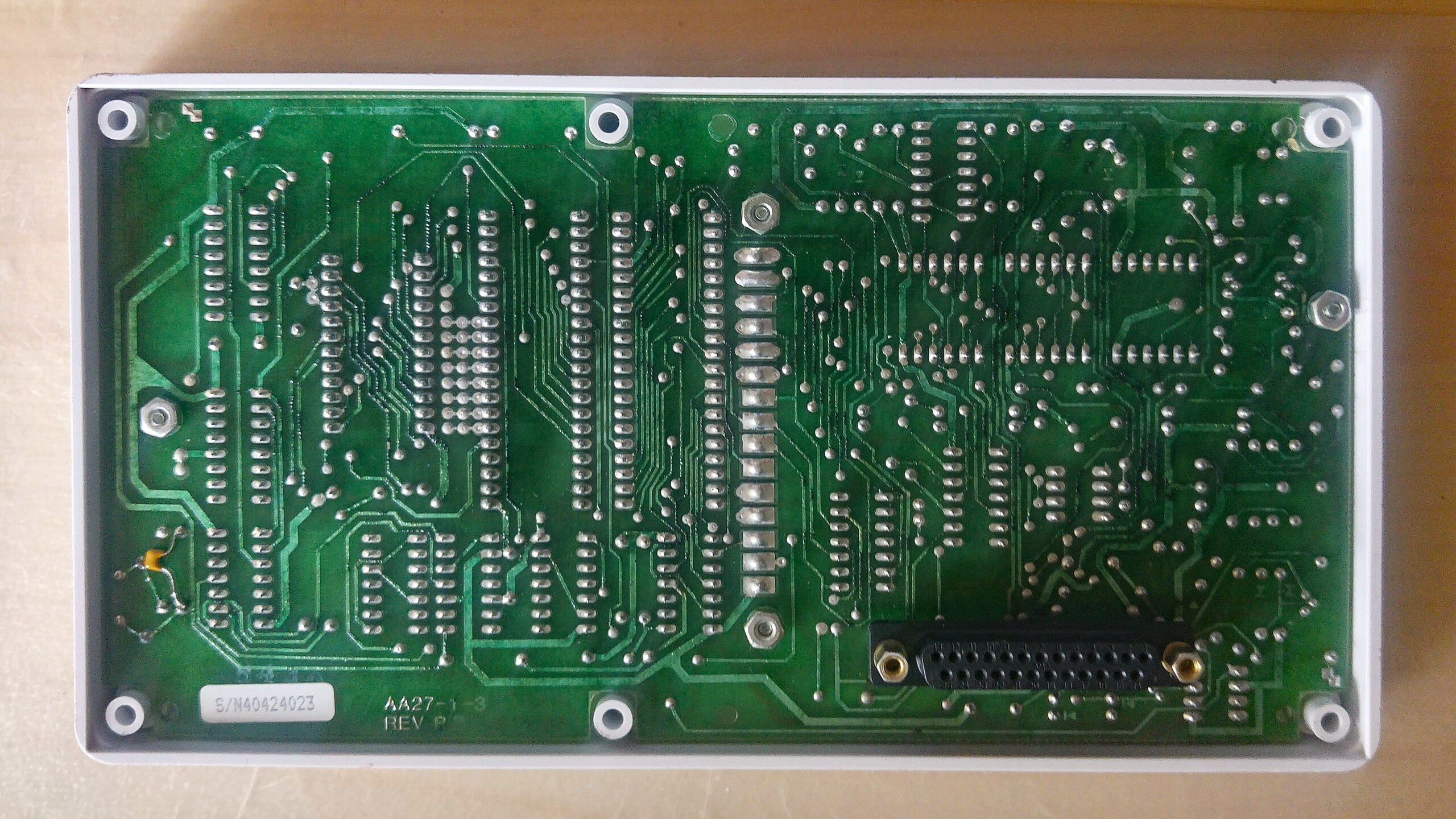

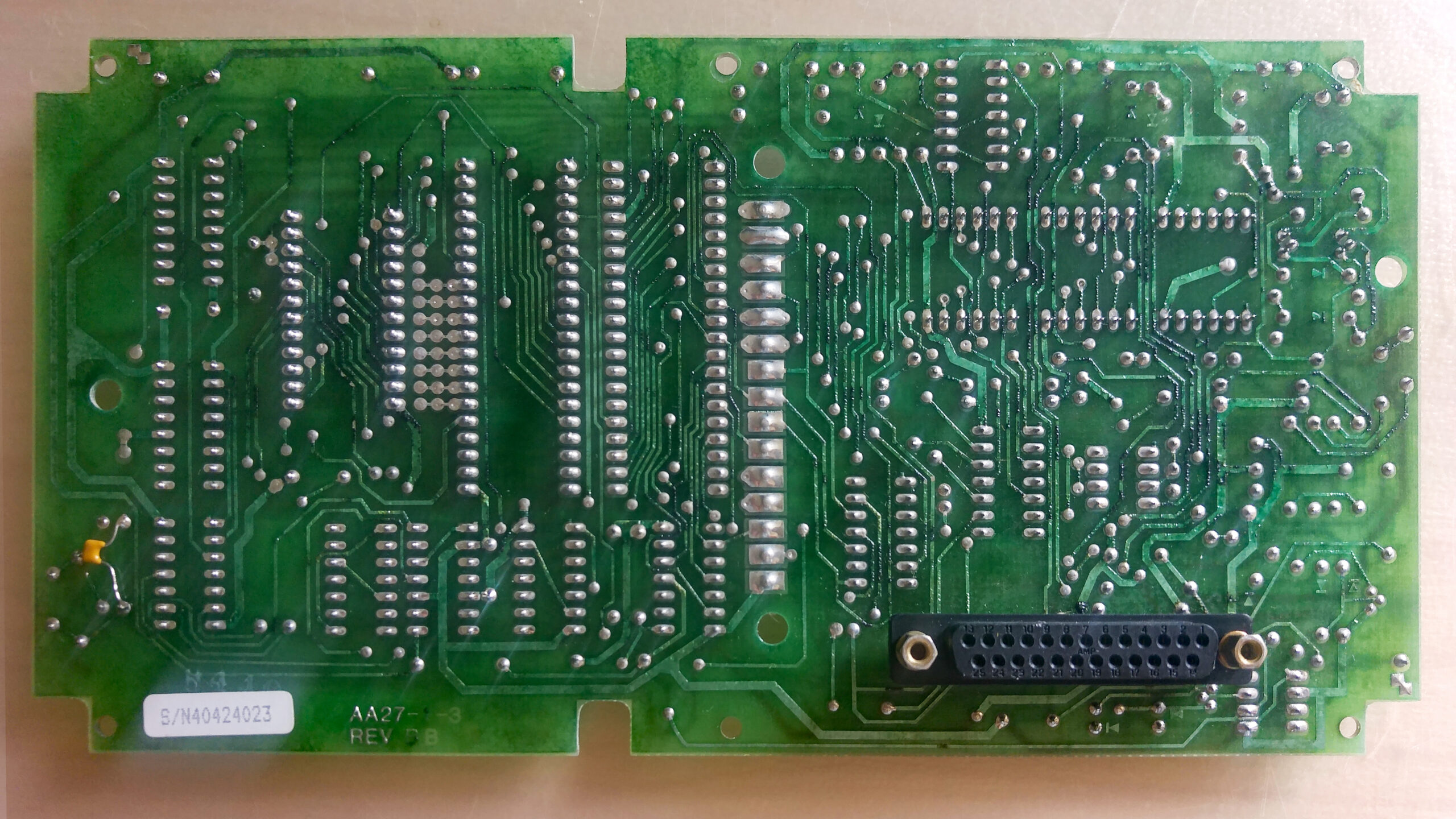
 Photo and manual supplied by Udo Juerss
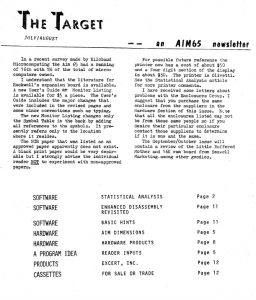 The Target julyaugust 1979
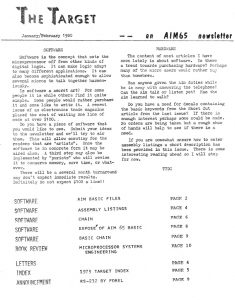 The Target January February 1980
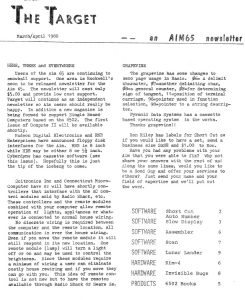 The Target March April 1980
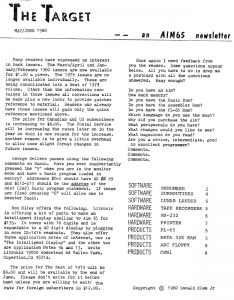 The Target May June1980
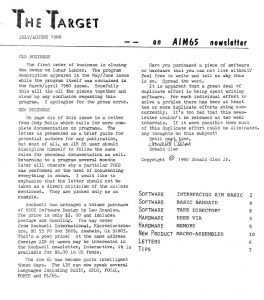 The Target July August 1980
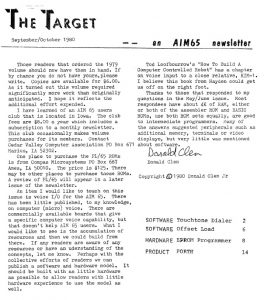 The Target September October 1980
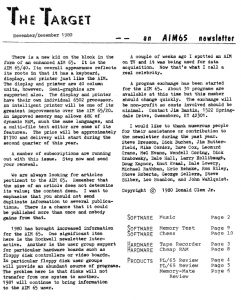 The Target November December 1980
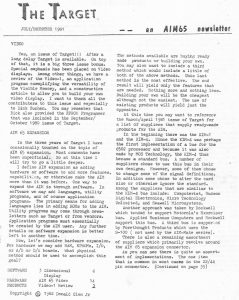 The Target July-December 1981