
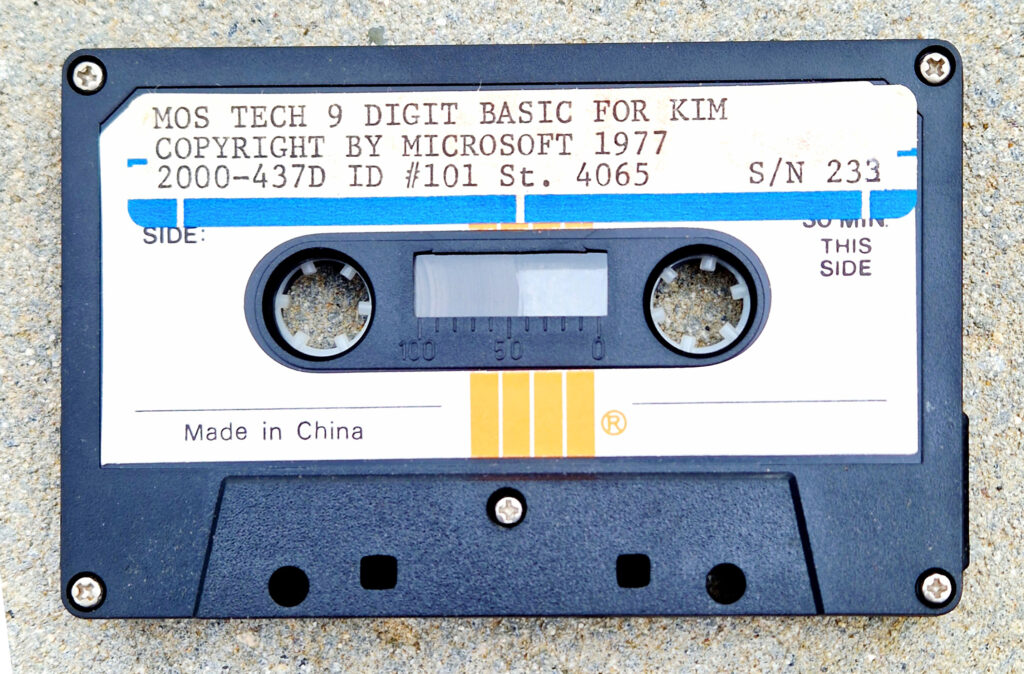
KB-9, MOS TECH BASIC for the 6502
With a scan of manuals by Gerben Voort, and a third photo of a cassette with KB-9, time to refresh ...
Additions to the EMMA system documentation
Additions to the EMMA system documentation, thanks Keith NormanEmma Hardware Manual Eprom ProgrammerMac User Manual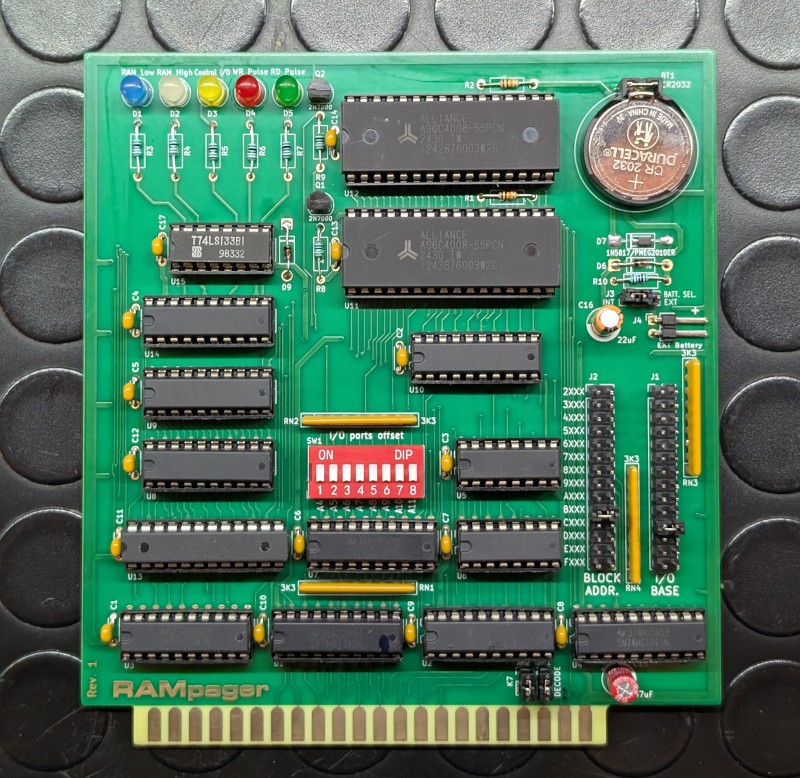
RAMpager: a 1MB banked RAM expansion for the KIM-1
An exapnsion for the MTU bus: RAMpager: a 1MB banked RAM expansion for the KIM-1On this location you can find ...
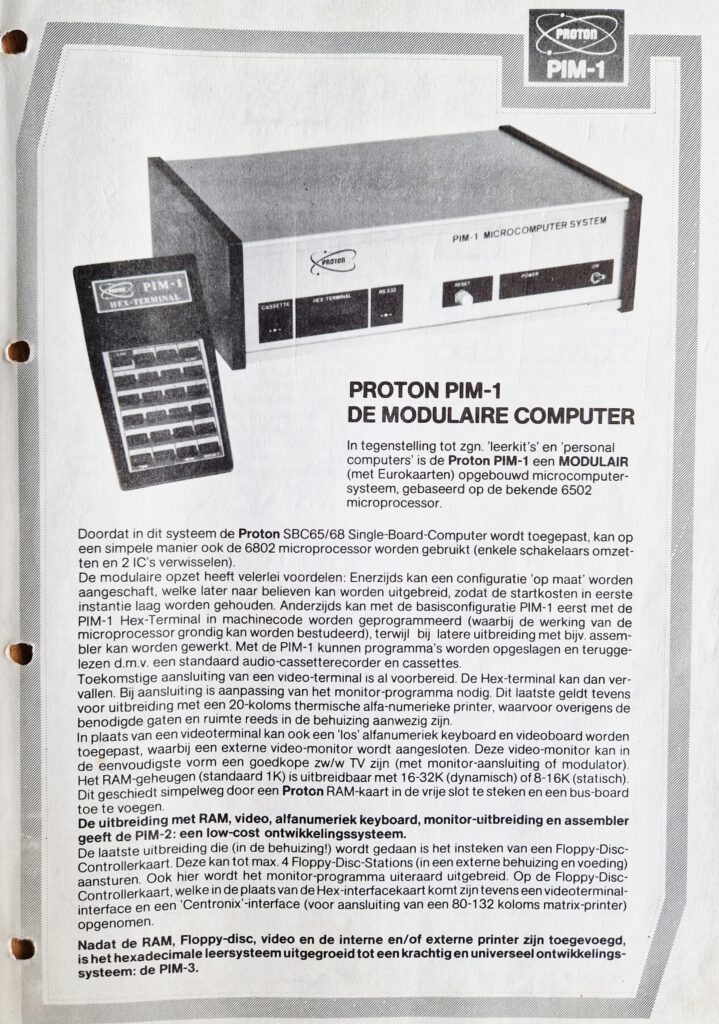
Proton PIM-1 hex monitor source added
Thanks to Gerben Voort the source of the PIM-1 has been added to the PIM-1 page
KIM-1 TTY I/O, no echo, non-blocking, deaf
A page on suppressing the KIM-1 echo of TTY input, read non-blocking and make the TTY input deaf.Problems with the ...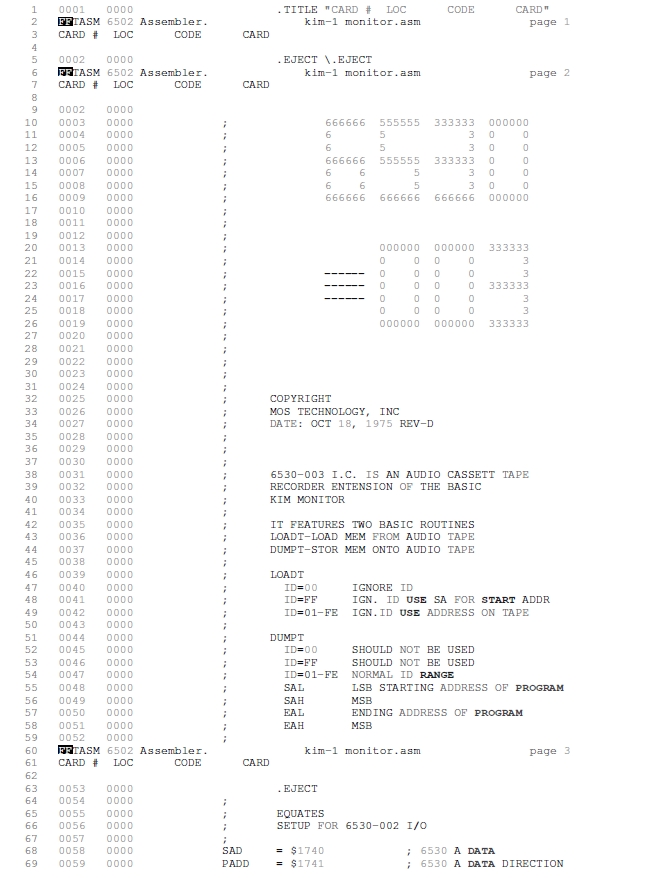
Correct KIM-1 monitor source
Many sources of the KIM-1 monitor are floating around. All typed in from the user manual, most are not identical ...
MOStermind
MOStermind is an implementation of the Mastermind board game for the KIM-1 computer.Developed by HKZ. It's written in 6502 assembly ...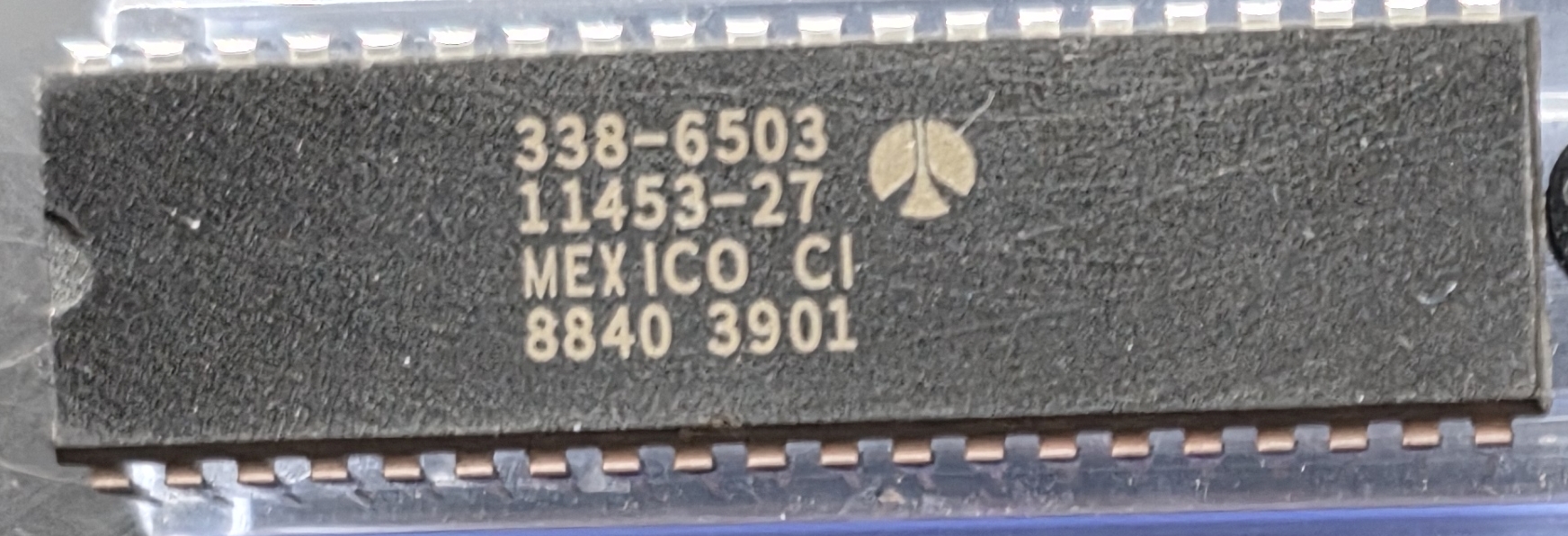
338-6503 Rockwell, a R65C02 with an obscure number
I saw an advert on bey (China seller) for a Rockwell 6503 IC. The 6503 is a variant of the ...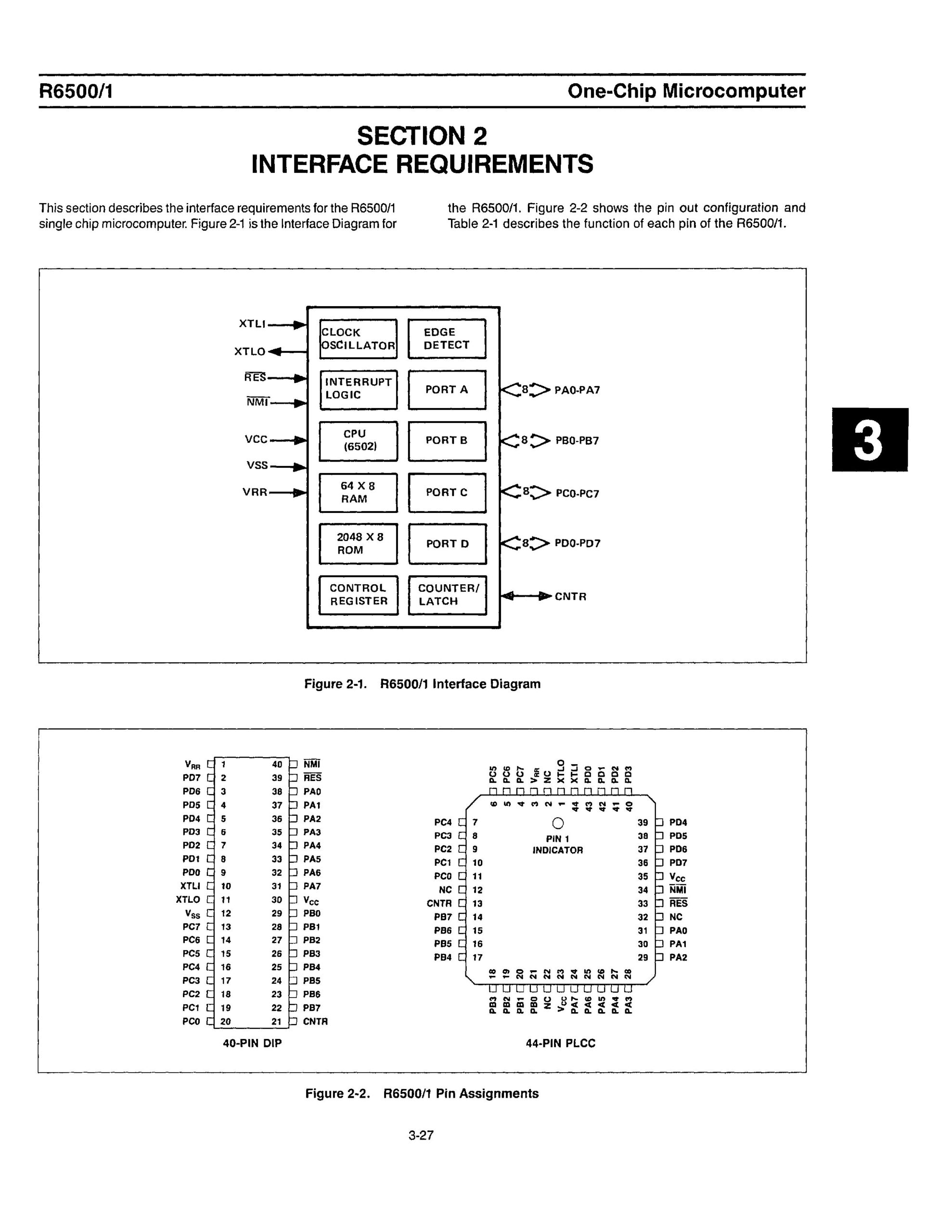
R6500/1EC Microprocessor Emulator Device
I acquired a R6500/1EC IC. A beautiful white version. Week 40 1980, NMOS.The R6500/1EC is a development IC for the ...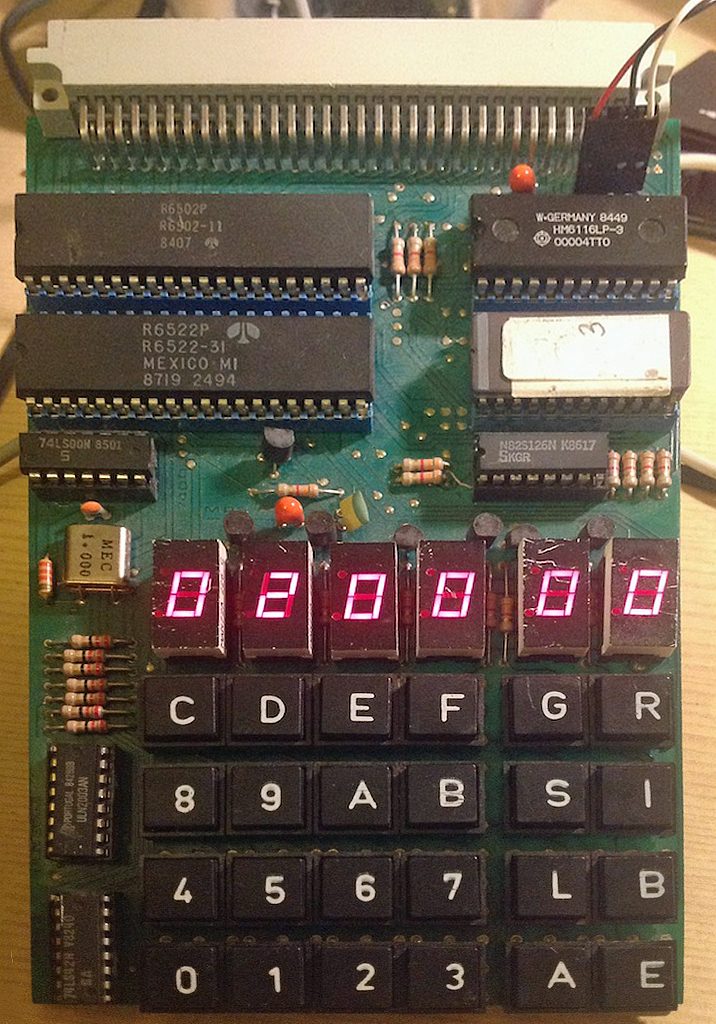
KIM-1 Simulator V2.3.0
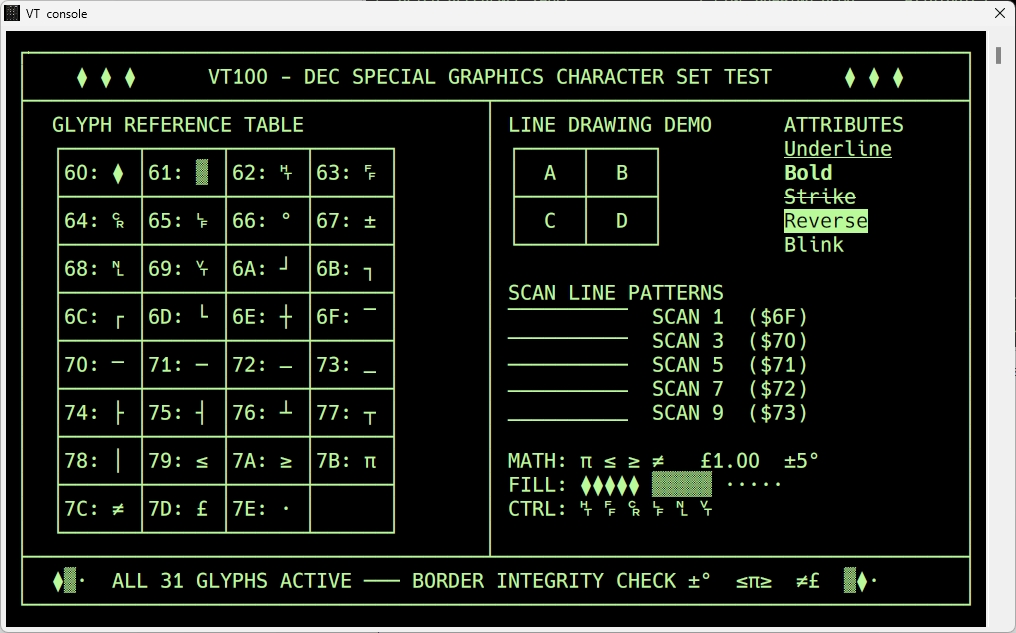
Again Eduardo Casino has enhanced the KIM-1 Simulator V2.3.0 after adding the K-1103 and Corsham SD-Shield with CODOS and ...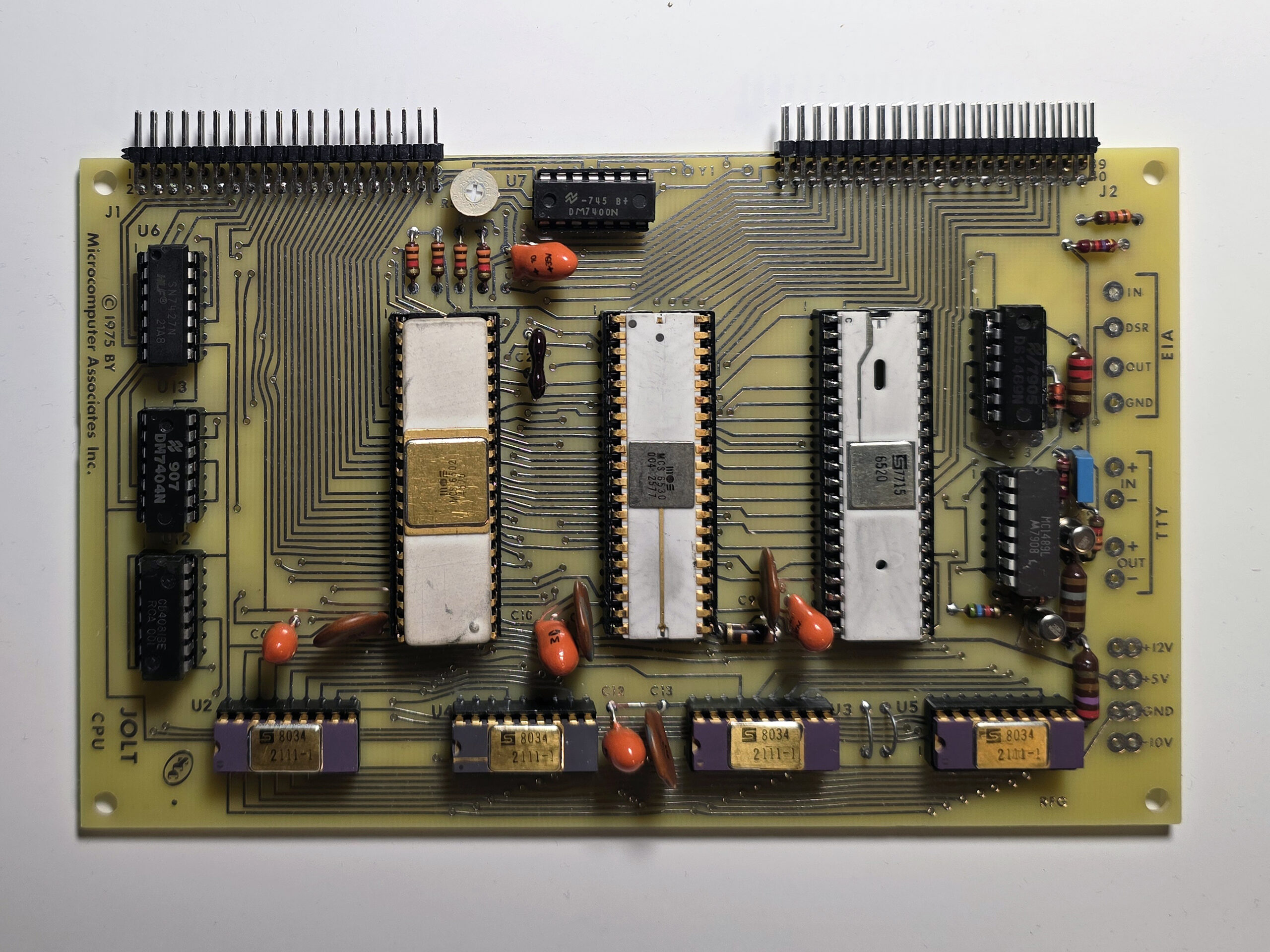
Jolt replica
The 7427 and the white 6502 have arrived and are showing off in the time period correct Jolt replica.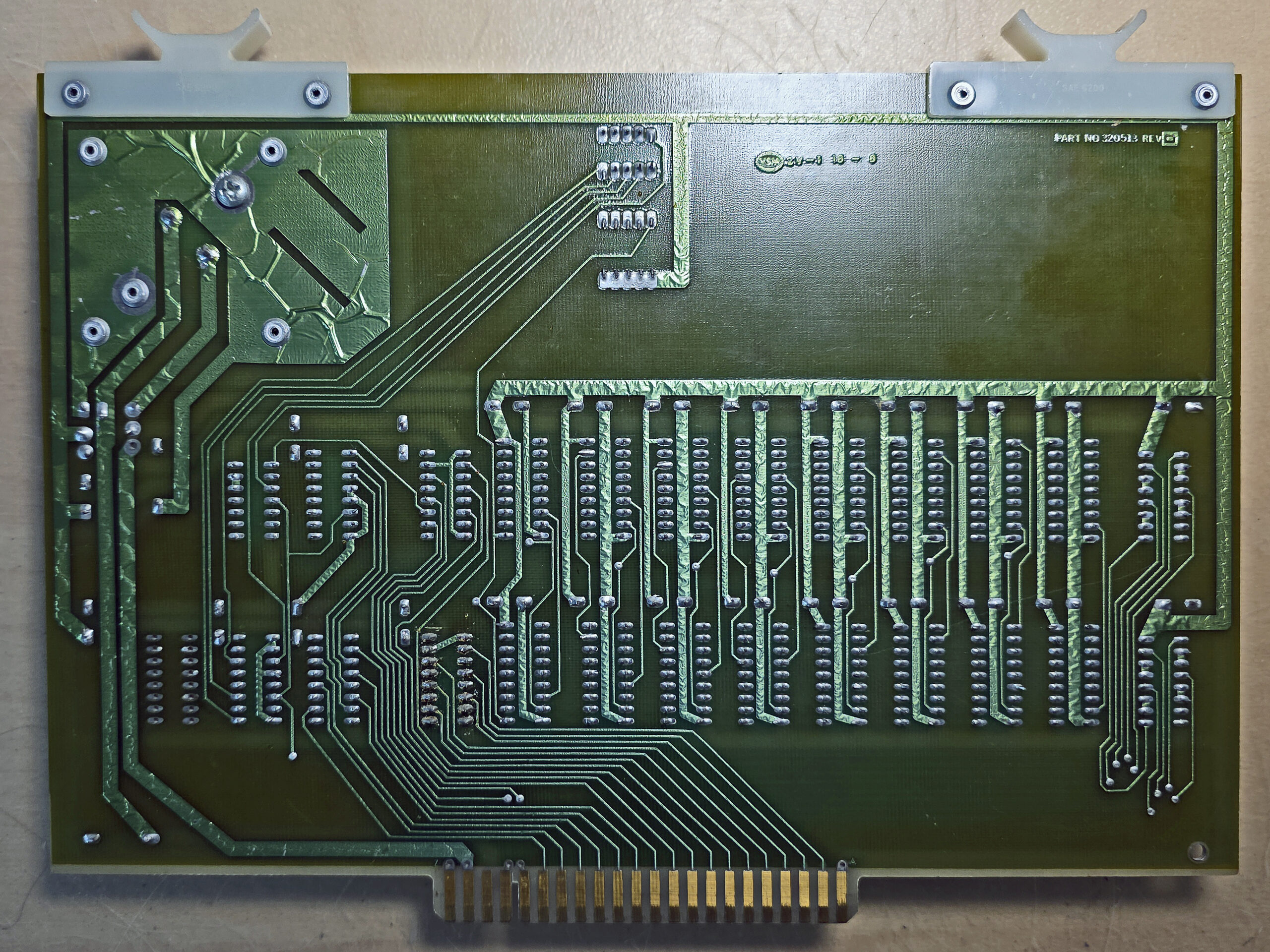
KIM-3B added to my collection
A KIM-3B is a 8K bytes memory expansion made by MOS Technology (already part of Commodore then) for the KIM-4 ...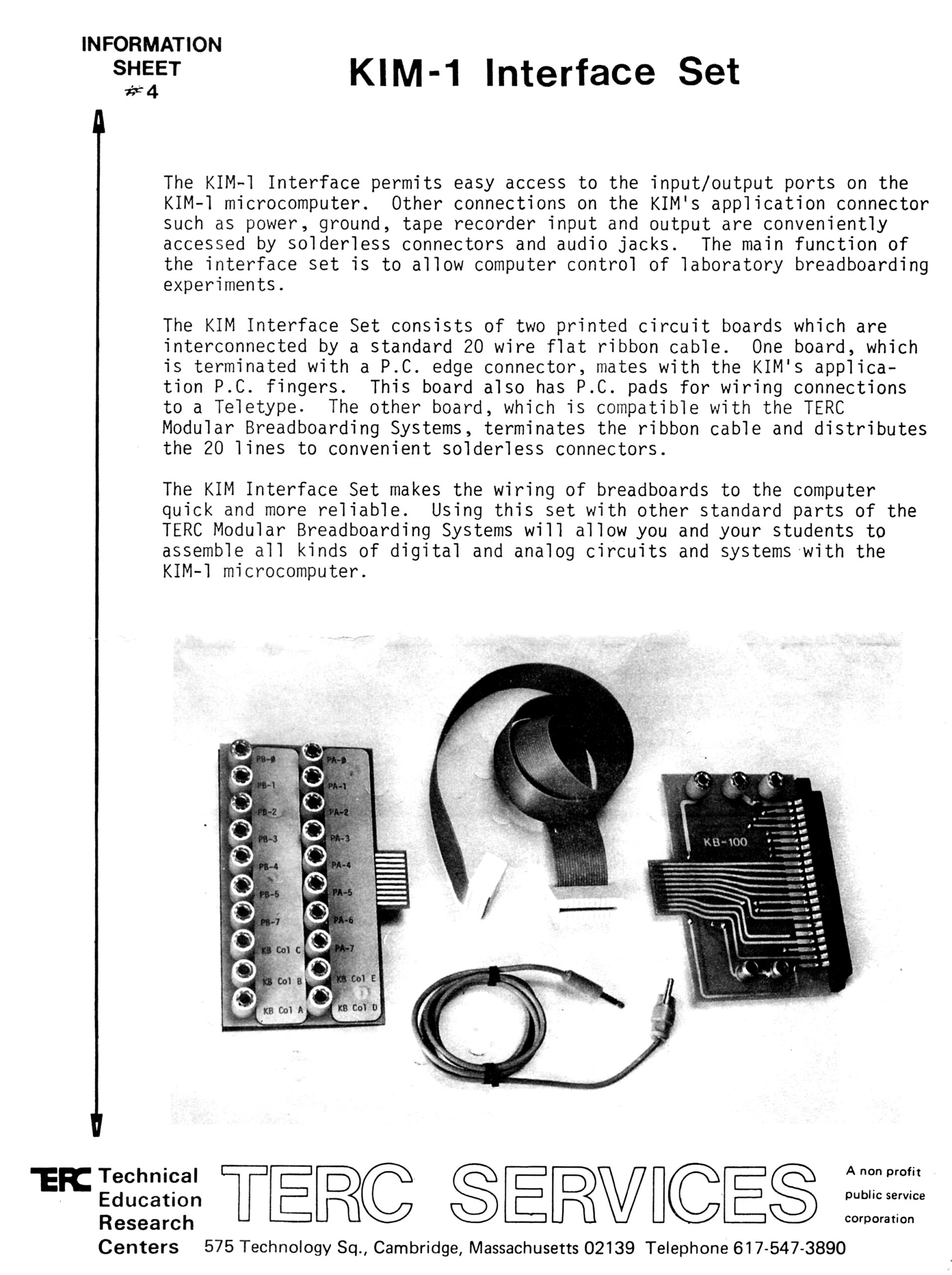
TERC KIM-1 Interface set
A recent acquisition, the TERC (Technical Education Research Centers) KIM-1 Interface set. An educational tool to work with the KIM-1 ...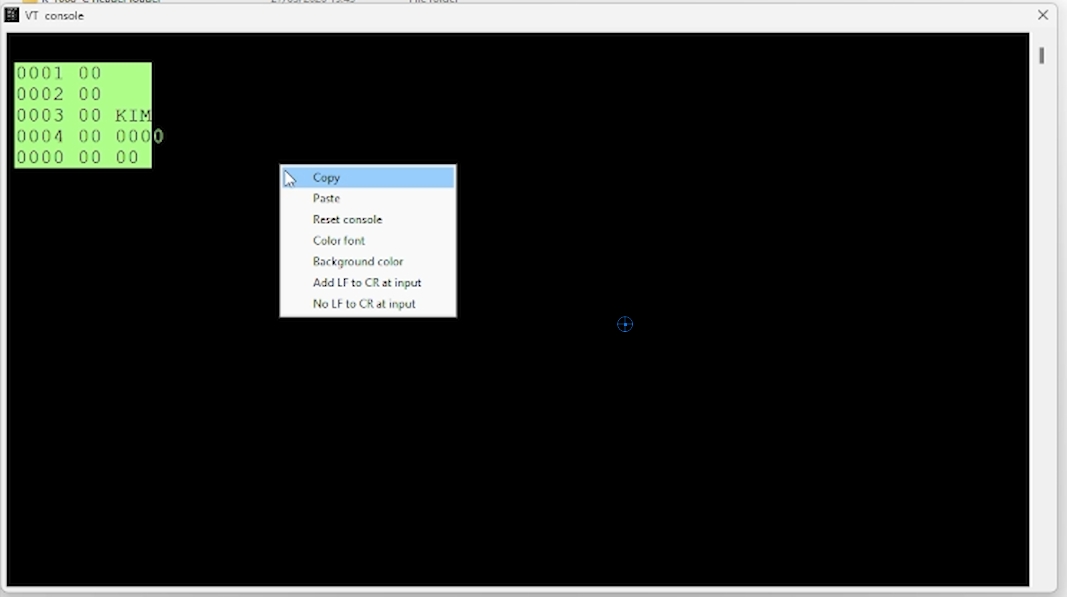
A demo of the new facilities in the KIM-1 Simulator 2.2.1
A demo of the new facilities in the KIM-1 Simulator 2.2.1 Scroll, copy paste of the console.New versions of KIM-1 ...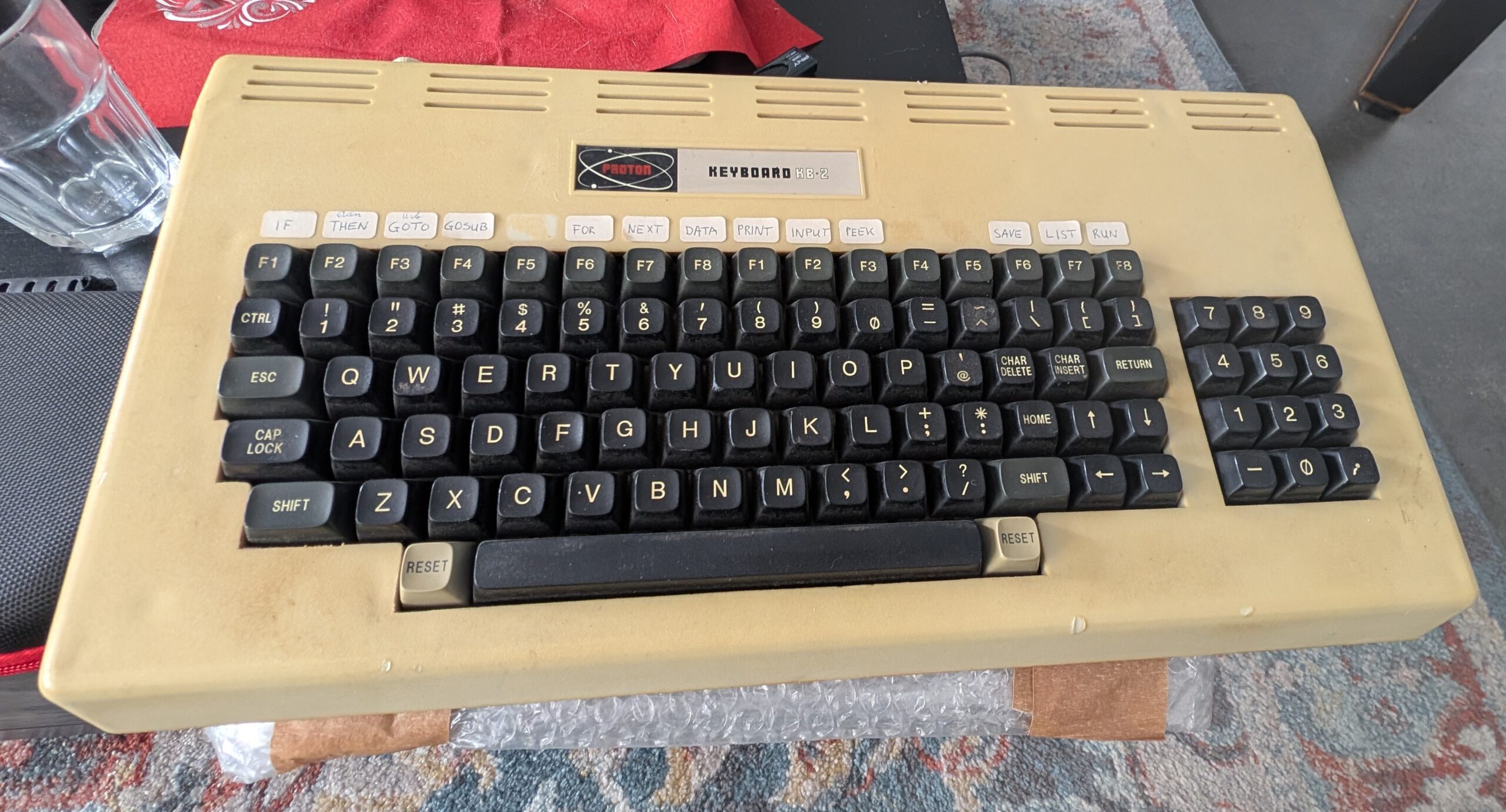
PROTON KB-2 keyboard
Walter van Waard found a keyboard made by PROTON, a Dutch company from the 80ties that produced many 6502 and ...This page is about my interest in retro 8-bit small computer systems computing and electronics. And the role of Dutch electronic magazines like Elektuur and Radio Bulletin in the eighties of the 20th century. Also the Dutch users club, called KIM Gebruikersclub, which I joined in 1978 and contributed to as member of the board and as chief editor of the magazine issue 11 to 25.
The retro computing pages are documenting my experiences with 8-bit systems like the KIM-1 and its relatives such as the Apple 1 and the Junior. And various small Z80 and other systems.
I set up this archive as my personal archive of what I research on the subject. If it is of any use for others, fine, enjoy!
- Home
- Sitemap
- Contact
- News
- My sites
- MOS Technology 6502
- c’T-Terminal-Computer
- R65 – A late seventies computer built with a KIM-1
- 6501
- 65XX IC’s
- 65XX Datasheets
- MCS6530 and MCS6532
- 6502 Microprocessor Kit
- Atari 850 interface: 6507 + 2 6532
- Andrew Jacobs 6502 pages
- Apple 1 and Apple 1 replica’s
- Ben Eater 6502 computer
- Beta Computer SBC
- Brutech BEM
- Cepac-65
- Corsham projects
- Data Handler
- Datac 1000, a TIM 6502 SBC
- DOS/65
- DOS65
- Elektor Elektuur Junior
- Elektor 6502 clock
- Elektor Universal Terminal
- Elektor EC65
- ESCO 6502 SBC
- EMUF and MC
- KGN COMAL
- Focal-65 V3D for TIM and KIM-1
- KEMPAC SYSTEM Microcomputers
- L.J. Technical Systems: EMMA DIGIAC
- Jolt and Super Jolt
- John Bell Engineering SBC’s
- KIM-1
- MAE ASSM/TED CW Moser
- Kowalski assembler simulator
- Lee Davison’s website
- LAB-VOLT 6502
- Microsoft Basic 6502
- MDT 650 MOS Technology
- MCS Alpha 1
- MPS-65 CT-65 CT-6502 Thaler
- Micro Technology Unlimited
- My 6502 systems
- OUP/M – A 6502 CP/M Operating system
- OSI 300 Trainer
- PROTON Electronics: PC-1, CB80, PIM-1, KB-2
- PROMAX MI-650 Trainer
- Rockwell AIM 65 and RM65
- The Sorbus computers
- Synertek SYM-1 KTM
- TM76 Burr Brown 6502 terminal
- TOuCHE
- Three Chips Plus Unilab
- What CPU is this? 6502 and other component testers
- Motorola 6809
- Radio Bulletin
- PC Tools
- TECMUMAS, dem Technikmuseum Matthias Schmitt
- Z80
- Electronic kits (Philips and more)
- My retro toolchain
- Other retro articles
- My former music Collection
Magazines
In the early days of computing, magazines about popular electronics played a big role in making microprocessors available for the beginner, whether the professional or hobby electric engineer. The magazines featured here are the dutch magazines Elektuur and Radio Bulletin. From 1977 until 1996 I worked as technical editor for Radio Bulletin and published about microcomputers and more general electronics. Elektuur published also articles on these subjects, many are available here.
What is a SBC for me?
A SBC, short for Single Board Computer can be defined as a computer system, based on a microprocessor, on one printed circuit, with keyboard and display, programmable I/O ports, expansion connectors and without a casing. The ‘operating system’ is stored in a (EP)ROM, an often small amount of RAM is available to store programs and data These were the first microprocessor based computers with affordable prices for hobbyists in the late seventies of the previous century. For professionals a way of getting acquainted with the new hardware and learning the basics of programming at a (very!) low level.
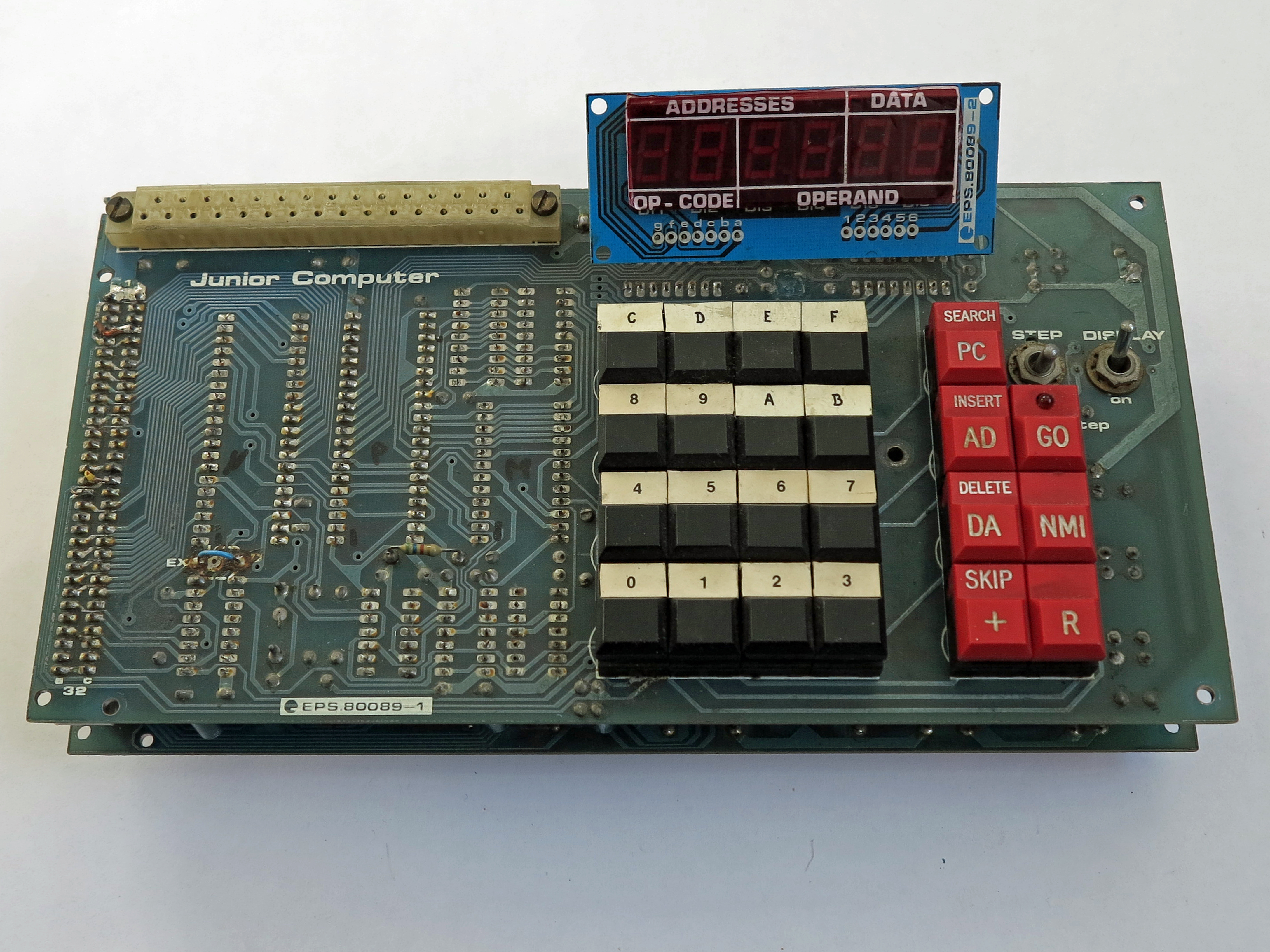
Though it is a complete computer, it has a CPU, memory and I/O, it is also a very limited one. The I/O is often not more than a small keyboard with hexadecimal functions. The display is often not more than 6 or 8 seven segment LED displays, just enough to show, in hexadecimal format, addresses and data. The operating system allows entering and examining of data in memory locations, and start and stop a program. Loading and saving data is limited to either papertape readers and punches, quite common in these days, or via some modulation as data files on audio cassette recorders. Also common is the ability to attach a teletype like the ASR33.
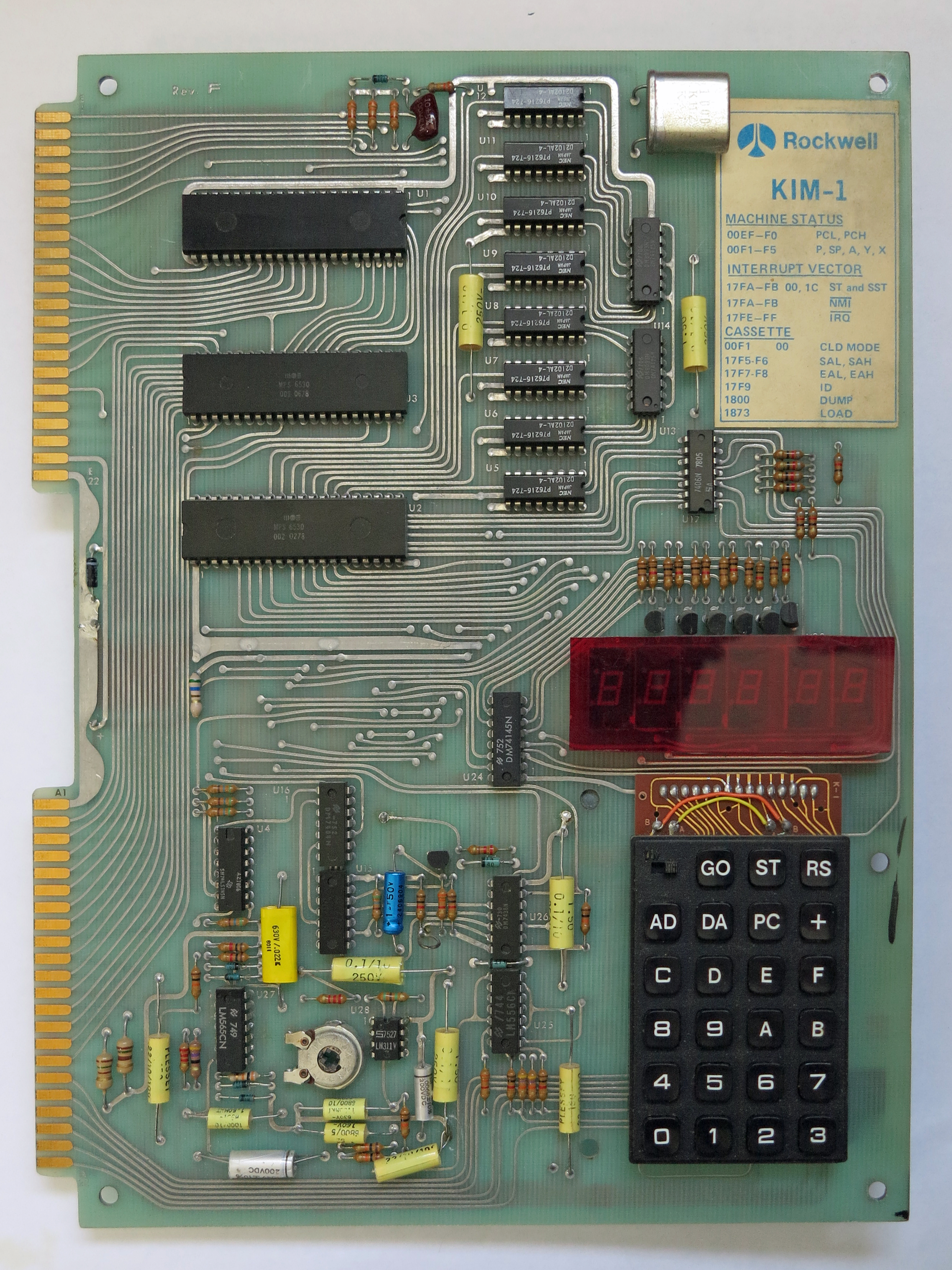
A good example of such a SBC is the KIM-1, shown below. 2K ROM, 1K RAM, many I/O lines free, six LED displays and a keyboard with hexadecimal keys and some function keys.
Why these SBCs like the KIM-1 became so popular? One reason was the low price ($ 280 for a KIM-1, I paid 795 guilders ), so it was in the price range of the average student and hobbyist. Another is the design being open, the complete hardware description and detailed listing of the ROM was included. And it is not the frightening computer, but more a programmable piece of hardware. Because it was so easy accessible and low speed, adding and changing hardware is not hard also. Programming was not easy, but editors/assemblers that could run with some added hardware like RAM and a video terminal made that possible. The nowadays common practice of cross compiling was not available for the hobbyist then.
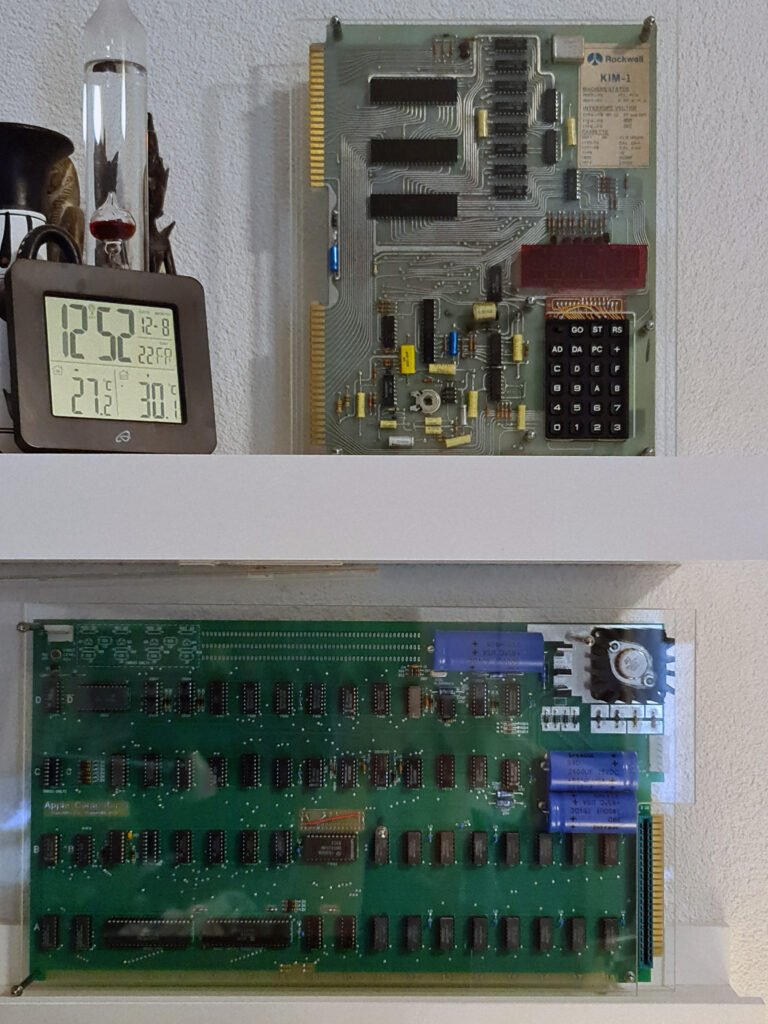
Besides playing with the SBC, to learn what the microprocessor is capable of, many SBCs were put to work as a sort of PLC, controlling devices in the real world.
What changed the popularity of SBCs was the wish to transfer it to a computer with a better user interface, like graphics on a video screen, a full blown keyboard, a real operating system with mass storage such as floppy drives, and a higher fun factor, a.k.a. games. Or to make it a serious computer fit for business. So SBCs became extinct fast in the mainstream hobby world when the hobbycomputer appeared on the market, like the TRS-80, PET and later the C-64, MSX etc. Even later the boring business PC killed the hobby computer, but that is another story.
It seems the SBC’s are back though: Arduino and Raspberry Pi
- Home
- Sitemap
- Contact
- News
- My sites
- MOS Technology 6502
- c’T-Terminal-Computer
- R65 – A late seventies computer built with a KIM-1
- 6501
- 65XX IC’s
- 65XX Datasheets
- MCS6530 and MCS6532
- 6502 Microprocessor Kit
- Atari 850 interface: 6507 + 2 6532
- Andrew Jacobs 6502 pages
- Apple 1 and Apple 1 replica’s
- Ben Eater 6502 computer
- Beta Computer SBC
- Brutech BEM
- Cepac-65
- Corsham projects
- KIM-1 products
- KIM Clone
- Corsham SD card system
- SS-30 SS-50 boards
- SS-30 bus extender
- SS-30 Parallel Board
- SS-30 Prototype board
- SS-30 Serial Board
- SS-30 SS-50 technical notes
- SS-30 USB Serial Board
- SS-50 1MB RAM board
- SS-50 64K RAM board
- SS-50 65C02 CPU Board
- SS-50 6800 CPU Board
- SS-50 6809 CPU board
- SS-50 Motherboard
- SS-50 Prototyping board
- SS-50 RAM EEPROM
- SS-50 software SBUG SWTBUG
- Corsham github
- SYM AIM 60K RAM board
- Data Handler
- Datac 1000, a TIM 6502 SBC
- DOS/65
- DOS65
- DOS65 manuals, sources, listings
- DOS65 articles in the KIM 6502 uP Kenner and CompUser
- DOS65 hardware
- Silicon hard disk Andrew Gregory
- EP: EPROM programmer for DOS65
- EPROM programmer Andrew Gregory
- DOS65, floppy emulator HxC2001, transfer files
- DOS65 floppy collection
- DOS65 programming languages
- DOS65 application: ASTRID and Viditel
- DOS65 application: Logic analyzer
- Elektor Elektuur Junior
- Junior Elektor, from base to full system
- Elektor Junior Articles and Books
- Elektor PCB paperware and ESS services
- Alternative Junior Monitor
- Elektor Junior software
- CPM-65 and Elekterminal emulator
- DIY Build a Junior
- Elektor gallery
- Musicprint kit and cassette interface
- Junior retronics articles
- Elektor 6502 clock
- Elektor Universal Terminal
- Elektor EC65
- ESCO 6502 SBC
- EMUF and MC
- KGN COMAL
- Focal-65 V3D for TIM and KIM-1
- KEMPAC SYSTEM Microcomputers
- L.J. Technical Systems: EMMA DIGIAC
- Jolt and Super Jolt
- JOLT TIM DEMON explained
- Memory map
- RESET of TIM
- Data storage and defines
- NMI BRK IRQ handling
- Jolt serial interface
- CRLF to serial
- High Speed Reader
- Write hex routines
- ASCII Conversion Routine
- Read hex routines
- Command processing
- WB BNPF dump of TIM
- WH write MOS papertape
- GO
- Show Memory and Registers
- Alter memory or registers
- Run program and debugging
- Microcomputer Associates
- Jolt
- Super Jolt
- Jolt software
- Jolt and Super Jolt extension cards
- JOLT TIM DEMON explained
- John Bell Engineering SBC’s
- KIM-1
- Me and my first KIM-1
- My KIM-1 collection
- The story of the KIM-1
- KIM-1 manuals and MOS Technology documents
- KIM-1 ROMs
- The KIM-1 explained
- KIM-1 monitor source
- KIM-1 monitor data storage
- KIM-1 memory layout
- Expanding the KIM-1
- KIM-1 PCB Edge connectors
- NMI and IRQ and BRK
- TTY operation summary
- Startup of the KIM-1: RESET
- The TTY CLI
- KIM-1 and RUB OUT
- TTY DELAY routines
- Sigma, KB/TTY selection
- GETCH read a character from TTY
- OUTCH send a character to TTY
- PRTBYT, GETBYT and PACK
- Serial file transfer issues
- Suppress the KIM-1 echo
- Serial interface with RTS CTS handshake
- Execute a program: GOEXEC
- SST Single step debug
- Debugging using the monitor
- LED display and keyboard command summary
- LED Display and keyboard
- Main LED display and keyboard
- Audio tape read and write indicator
- Save to papertape format
- Load papertape format
- Print string, the NULL character and X-OFF
- Audio tape hardware and ROM
- Dump to tape
- Subroutines DUMP to tape
- LOAD from tape
- Subroutines LOAD from tape
- Hypertape DUMP and LOAD
- Tape copy
- Recording programs with the KIM-1 and the cassette recorder
- Reading tapes from other KIM-1
- PLL Test
- Programming tips
- KIM System Products
- Books for the 6502: KIM-1 and more
- Johnson McShane brochures
- MOS Technology KIM-1 Brochures and Newsletters
- The Rockwell KIM-1
- KIM-1 articles
- KIM-1 and 6502 in magazines
- KIM-1 revisions images
- KIM-1 revisions, what changed?
- Transistors in the KIM-1
- Amazing it works!
- Hardware expansions
- KIM-1 projects by Eduardo Casino
- KIM-1 Software
- KIM-1 PAL-1 KIM Clone KIM MicroKIM Reproduction resources
- KIM-1 Simulator
- KIM-1 emulators
- PC utilities KIM Simulator Convert hex etc
- KIM-1 first clones
- The KIM-1 clones
- KIM-1 replica’s and clones
- My other KIM-1 systems
- KIM-1 videos
- KIM-1 6530 Replacements
- KIM-1 Diagnostic board
- KIM-1 keyboard repair
- MAE ASSM/TED CW Moser
- Kowalski assembler simulator
- Lee Davison’s website
- Enhanced 6502 BASIC
- Some code bits
- Some very short code bits
- SIN and COS calculator
- 6502 ROM file system
- Microchess
- SYM-1 BASIC – more nostalgia
- A 6502 single board computer
- ACIA 6551
- Nop generator
- IDE bus interface circuit
- An expandable 6502 SBC
- AT keyboard interface
- I2C Bus interface
- LazyPROM
- Memory Plus: memory for your KIM SYM AIM
- Mitsubishi 740 boards
- LAB-VOLT 6502
- Microsoft Basic 6502
- MDT 650 MOS Technology
- MCS Alpha 1
- MPS-65 CT-65 CT-6502 Thaler
- Micro Technology Unlimited
- MTU history: Hal Chamberlin
- MTU Catalogs, Product Descriptions and Newsletters
- MTU Application notes
- MTU K-1000 power unit
- MTU K-1002 Audio D/A Converter
- MTU K-1005 Card File and Motherboard using KIM/MTU bus
- MTU K-1007 PET MTU bus interface
- MTU K-1008 Visable Memory
- MTU K-1009-1C AIM 65 Printer Enhancement Package
- K-1012 PROM expansion board
- K-1013 floppy controller
- MTU CODOS
- MTU K-1016 16K RAM board
- MTU K-1020 Prototyping board
- MTU K-1032 Banker RAM ROM I/O
- MTU-130 and MTU-140
- MTU-130 in MAME
- MTU and Eduardo Casino
- MTU Commodore PET products
- My 6502 systems
- OUP/M – A 6502 CP/M Operating system
- OSI 300 Trainer
- PROTON Electronics: PC-1, CB80, PIM-1, KB-2
- PROMAX MI-650 Trainer
- Rockwell AIM 65 and RM65
- R6500/1EC Microprocessor Emulator Device
- AIM 65
- My AIM 65s
- AIM 65 magazines
- AIM 65/40
- RSC-Forth R56F11 R6501Q
- RM 65
- SPS Software Preparation System
- The Sorbus computers
- Synertek SYM-1 KTM
- My Synertek collection photos
- SYM-1
- SYM-1 Manuals and Ref cards
- SYM-1 Monitor
- SYM-1 Pascal and Forth
- 2532 to 2732 EPROM adapter
- SYM-Physis The SYM-1 Users’ Group newsletter
- SYM-1 Basic
- Symtool
- SYM-1 MOD-68 MOD-69
- SYM-1 1541 DOS
- SYM-1 6502 mini and Maxi SBC
- PicoSYM, a SYM-1 emulator on a Raspberry Pico
- SYMulator a SYM-1 emulator
- C, Basic, RAE on the SYM-1
- SYM-2
- KTM-3
- KTM-2 & KTM_2/80
- Synertek MDT 1000
- TM76 Burr Brown 6502 terminal
- TOuCHE
- Three Chips Plus Unilab
- What CPU is this? 6502 and other component testers
- Motorola 6809
- Radio Bulletin
- PC Tools
- TECMUMAS, dem Technikmuseum Matthias Schmitt
- Z80
- Electronic kits (Philips and more)
- Philips Electronic kits
- Other brands
- My retro toolchain
- Other retro articles
- My former music Collection